
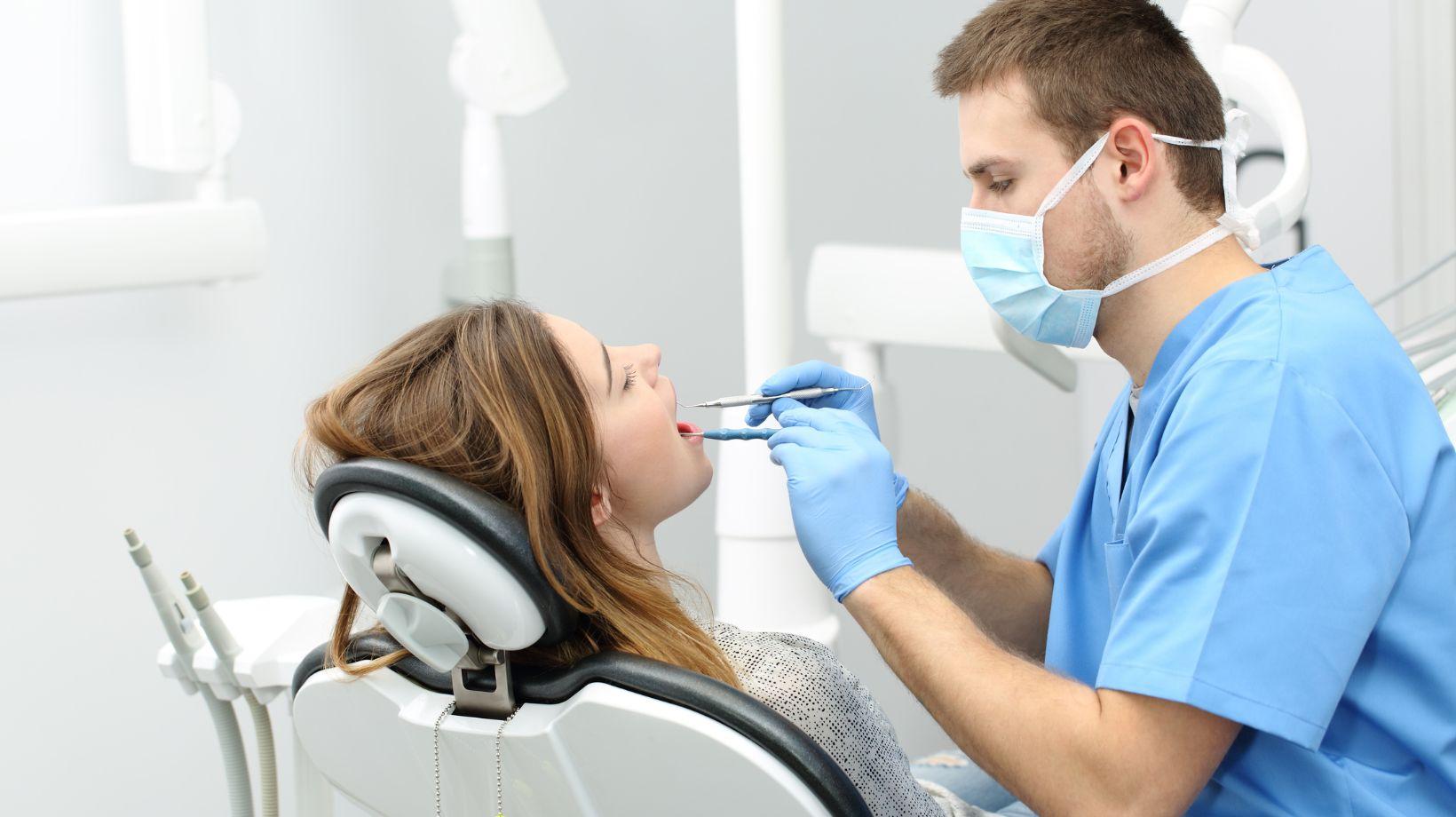

Deciding between your regular dentist and an implant specialist depends on the complexity of your case and the outcomes you want. If you have routine tooth loss with healthy gums and straightforward bone structure, your general dentist can often handle the implant process; if you face bone loss, multiple missing teeth, sinus issues, or need full-mouth reconstruction, seek an implant specialist (periodontist or oral surgeon).
You’ll learn how different providers share care, when advanced imaging or surgical skill matters, and what to expect during consultation, referral, and follow-up for tooth replacement in Delray Beach and across South Florida’s competitive market. Use that information to choose the right team for predictable results, efficient treatment, and smoother recovery.
Table of Contents
ToggleUnderstanding the Roles of Dental Professionals
You’ll learn who handles routine care, who manages complex jaw and bone issues, and how training and equipment affect treatment choices.
General Dentist Scope of Care
Your general dentist handles preventive care, routine restorations, and many common extractions. Expect cleanings, exams, panoramic or bitewing X-rays, fillings, root canals, and single-tooth crowns from a general practice.
Many general dentists also place and restore straightforward dental implants after completing implant courses and supervised training. They manage implant follow-up, peri-implant maintenance, and simple cases where bone volume and anatomy are favorable.
Referal is common when cases exceed chairside limits. If you need bone grafting, sinus lifts, complex extractions (impacted teeth), or full-mouth reconstruction, your dentist will refer you to a specialist with advanced surgical training.
Ask your dentist about their implant case volume, CBCT use, and whether they treat complications or refer them out.
Specialized Training of Implant Experts
Implant experts include oral and maxillofacial surgeons, periodontists, and prosthodontists with multi-year specialty training beyond dental school. They complete residencies or advanced fellowships focused on surgical access, bone augmentation, and implant prosthetics.
These specialists routinely use cone-beam CT (CBCT) imaging, guided surgery, and advanced grafting techniques like block grafts or zygomatic implants for severe bone loss.
You should see an implant expert when you have complex anatomy, insufficient bone, failed implants, or need full-arch replacement. Specialists coordinate multi-stage care—surgical placement, bone reconstruction, and final prosthetic design—so you get predictable function and long-term stability.
Evaluating Dental Implant Needs
You should match treatment complexity to the problem: evaluate how many teeth are missing, the condition of surrounding bone and gums, and your functional goals. These factors determine whether a general dentist can place the implant or if you need an implant specialist or oral surgeon.
Single Tooth Replacement
If you’re replacing one tooth, the main concerns are precise implant position, preserving adjacent teeth, and achieving a natural-looking crown. Ask whether your provider uses guided implant placement or a surgical guide; that improves accuracy and reduces risk to nearby roots and nerves.
Bone quality at that single site matters—if you have adequate width and height, a straightforward implant and immediate or delayed crown can work well. Soft-tissue management affects aesthetics.
A specialist may reshape the gum contour or perform a small graft to create a natural emergence profile. If your smile shows the area when you talk or smile, prioritize experience with anterior restorations.
Costs and timeline vary. Expect 3–6 months from implant placement to final crown if healing is needed; immediate provisional crowns are possible in selected cases.
Verify who will handle the implant and the final crown—sometimes one clinician places the implant and another restores the tooth.
Multiple Missing Teeth
Replacing several adjacent teeth introduces load distribution, occlusion, and prosthetic design challenges. You’ll need an assessment of how many implants are required to support a bridge or partial denture and whether angled or shorter implants will work given your jaw anatomy.
Imaging—CBCT scans—helps plan implant number and placement precisely. Bone grafting and sinus lifts are more common when multiple sites lack volume.
Periodontal health across the remaining teeth affects prognosis; untreated gum disease increases failure risk. Discuss long-term maintenance and who will manage follow-up care, because prosthetic repairs and hygiene visits matter more with multi-unit restorations.
Evaluate prosthetic options: fixed implant bridges, implant-retained removable partials, or combination restorations. Each choice changes cost, hygiene demands, and the number of surgical visits.
Seek a clinician experienced in multi-unit cases and digital treatment planning.
Full Mouth Reconstruction
When most or all teeth are missing or failing, you face comprehensive planning that combines surgical, prosthetic, and often medical considerations. Full-arch solutions—All-on-4/6, traditional implant-supported dentures, or staged reconstructions—depend on bone volume, bite relationships, and esthetic goals.
Expect a multidisciplinary team if you have complex bite collapse, TMJ issues, or heavy bruxism. You will likely need extensive imaging, bone grafting, and sometimes extractions or ridge augmentation before implants.
Immediate-load protocols can provide fixed teeth the same day in select candidates, but candidacy requires sufficient primary stability and careful screening. Your systemic health—diabetes control, smoking status, medications—directly affects healing and implant success.
Plan for long-term maintenance costs and periodic prosthesis servicing. Choose a provider who coordinates surgical placement, prosthetic design, and maintenance, and who documents a clear timeline and contingency steps if grafts or additional surgery become necessary.
Identifying Complex Cases
You need to know which implant scenarios require advanced training, more time, or referral to a specialist. Key factors include the amount and quality of jawbone, and the current state of your gums and supporting tissues.
Bone Loss Challenges
Significant jawbone loss changes implant planning. If you have less than 5–6 mm of ridge width or under 8–10 mm of height at the planned implant site, simple implant placement may be unsafe or unstable.
Specialists can evaluate CT or cone-beam scans to measure bone, assess angulation, and plan grafting or zygomatic implants when needed. Common corrective options include bone grafts (autograft, allograft, xenograft), ridge augmentation, and sinus lifts for upper molars.
These procedures add cost and healing time and often require staged surgery. You should expect a specialist to explain risks, timelines, and success rates specific to your anatomy.
Gum Health and Disease Management
Active periodontal disease or thin, inflamed soft tissue increases implant failure risk. If you have pocket depths greater than 5 mm, bleeding on probing, mobility of adjacent teeth, or recurrent infection, a periodontist is usually the better choice.
Treatment may start with scaling and root planing, antibiotic therapy, or periodontal surgery to re-establish healthy tissue before implant placement. Specialists also manage soft-tissue grafts to improve keratinized tissue around implants, which helps long-term hygiene and aesthetics.
You should be referred when disease control can’t be reliably achieved in a single restorative visit.
Consultation and Referral Process
You’ll learn how your dentist decides whether to handle implant care or refer you, and what coordination with specialists looks like in South Florida. Expect clear steps, typical timelines, and who manages each part of treatment.
When a Regular Dentist Recommends a Specialist
Your general dentist will recommend a specialist when surgical complexity, bone loss, or medical risks exceed routine care. Examples include multi-stage grafting, sinus lifts, full-arch rehabilitation, or medically complex patients (e.g., uncontrolled diabetes, anticoagulant therapy).
During the referral your dentist usually provides:
- A written referral with clinical notes and treatment goals.
- Recent radiographs or a CBCT scan.
- A summary of medical history and medications.
You should ask about estimated timelines, who will place the implant versus restore the crown, and cost expectations. Expect the specialist to confirm surgical suitability, outline alternatives, and provide a coordinated plan before any procedure begins.
Collaborative Dental Care in South Florida
Specialists (oral surgeons, periodontists, implantologists) and general dentists commonly share care: the specialist places implants and manages surgical follow-up; your general dentist or prosthodontist fabricates and places the final restorations.
This division keeps work within each clinician’s expertise. Practical steps you’ll see in the region:
Ask both providers who handles postoperative checks, emergency calls, and long-term implant maintenance. Clear communication and shared records reduce delays and prevent duplicated imaging or conflicting instructions.
Advanced Technologies and Techniques
You’ll see major differences in diagnostic tools and surgical methods when an implant expert handles your case. These differences directly affect planning accuracy, surgical risk, and the predictability of the final restoration.
3D Imaging and Digital Planning
Your implant specialist uses cone beam CT (CBCT) scans to capture three-dimensional views of bone volume, nerve canals, and sinus anatomy. This lets them measure bone height and density precisely, so they can determine whether you need grafting, a sinus lift, or a narrower implant.
Digital planning software converts CBCT data into a virtual implant plan. The plan shows exact implant size, angulation, and depth relative to adjacent teeth and prosthetic goals.
You’ll also get a surgical guide (3D-printed or milled) that translates the virtual plan to the mouth, reducing guesswork and chair time. Clinics in South Florida often combine intraoral scanning with CBCT to design the final crown before surgery.
That workflow shortens provisionalization time and improves your esthetic outcome by aligning implant position with the planned tooth shape.
Surgical Skill Sets
Implant experts in South Florida routinely perform advanced procedures such as guided implant placement, immediate loading, ridge augmentation, and zygomatic implants. Their training emphasizes surgical judgment for complex anatomy, managing complications, and staged reconstruction when needed.
You benefit from experience with local variations—like thin anterior buccal plates or posterior maxillary sinus proximity—and from techniques that preserve tissue, such as flapless placement when appropriate.
Experts also use sedation options and strict infection control to improve patient comfort and safety. When bone grafting or sinus lifts are required, specialists select graft materials and membrane protocols tailored to your biology and timeline.
Their familiarity with implant systems and prosthetic collaboration helps ensure the surgical position supports a stable, long-lasting crown or bridge.
Patient Experience and Outcomes
You will notice differences in recovery speed, complication rates, and long-term upkeep depending on whether an implant expert or your regular dentist performs the work. Expect more predictable surgical outcomes and tailored maintenance plans from providers who focus on implants.
Recovery Times and Success Rates
Experts who place implants regularly—oral surgeons or periodontists—typically perform more complex cases and use advanced imaging and guided surgery. That lowers your risk of intraoperative complications and can shorten surgery time.
For straightforward single-tooth implants, a skilled general dentist can often match outcomes, but complex bone grafts or sinus lifts are better handled by a specialist. Success rates for modern implants exceed 95% in healthy patients when placed and restored correctly.
Smoking, uncontrolled diabetes, and poor oral hygiene reduce those rates; discuss medical history and habits honestly. Expect initial healing of the surgical site in 1–2 weeks, soft-tissue maturation over 4–6 weeks, and bone integration (osseointegration) commonly by 3–6 months before final restoration.
Long-Term Maintenance of Implants
Your maintenance plan should include professional checks and home care specific to implants. See your provider every 3–6 months in the first year after placement, then at least every 6–12 months afterward; specialists often recommend a stricter schedule for medically complex or multi-implant cases.
Brush twice daily with a low-abrasive toothpaste and use interdental brushes or floss designed for implants to prevent peri-implantitis. If a specialist placed your implants, they will likely set up personalized recall visits and radiographs to monitor bone levels.
If your general dentist restored the implant, confirm they perform routine implant checks and know when to refer you back to a specialist for complications.
Choosing the Right Provider in South Florida
You should prioritize documented experience with implants, advanced imaging and lab access, and clear payment/aftercare plans. Ask about training, case volume, and who will perform each step of your treatment.
Credentials to Look For
Check for board certification and specialty training. Look for an American Board of Oral and Maxillofacial Surgery (ABOMS) diplomate, a periodontist with board certification, or a prosthodontist when full-arch or complex restorative work is involved.
General dentists can place implants, but prefer those with fellowship or residency-level implant training. Confirm the practice uses CBCT imaging, digital surgical guides, and an in-house or trusted dental lab.
These reduce surprises and improve fit. Review case photos and a minimum number of similar procedures performed in the past year.
Also verify malpractice history, state licensure, and membership in professional groups like the American Academy of Implant Dentistry.
Questions to Ask During Consultation
Ask who will perform each step: diagnosis, surgery, and final crown placement. If multiple clinicians are involved, request their names and qualifications.
Ask for a detailed treatment timeline, including healing periods and provisional options. Request cost breakdowns: implant fixture, abutment, crown, bone grafts, and any imaging or lab fees.
Ask about anesthesia options, sedation provider credentials, and emergency access after surgery. Finally, ask for patient references or online reviews for cases similar to yours and what their complication and success rates have been.
Cost Considerations and Insurance
Expect noticeable cost differences between work done by a general dentist and a specialist. Insurance, financing, and your mouth’s complexity will drive whether you pay a few thousand dollars or tens of thousands.
Treatment Costs with General Dentists
General dentists often charge less for a single implant restoration because they may perform placement and restoration in one office. Typical out-of-pocket for a single implant in South Florida commonly ranges around $3,000–$6,000 when the dentist handles both implant placement, abutment, and crown.
Confirm whether imaging, extractions, or bone grafts are included. Ask for an itemized estimate that lists implant component brand, crown material, and any lab fees.
Insurance rarely covers full implant cost. Check your dental plan for implant coverage, annual maximums, and whether implants are considered a major procedure.
If coverage is limited, look into HSA/FSA use, in-office financing, or third-party medical credit to spread payments.
Expenses with Specialists
Oral surgeons and periodontists typically charge more for surgical placement because of advanced training and use of technologies like CBCT, guided surgery, or bone grafting. For complex cases—sinus lifts, ridge augmentation, or full-arch reconstruction—specialist surgical fees can add $1,000–$5,000+ per site depending on materials and graft size.
Restoration (abutment + crown) may still come from your general dentist; confirm split billing. Verify medical vs. dental insurance distinctions for procedures linked to trauma or medically necessary jaw reconstruction—some components might be reimbursable under medical insurance.
Always request pre-treatment estimates from each provider and compare: itemized surgical fees, implant brand, graft materials, imaging, and follow-up visits.
Post-Procedure Care and Follow-Up
You should expect one or more scheduled follow-ups in the first two weeks after implant placement for suture removal and healing checks. These visits let the clinician confirm soft-tissue healing and address immediate concerns like bleeding, swelling, or pain.
Follow your provider’s home-care instructions exactly. Typical advice includes gentle rinsing with saline or antiseptic rinse.
Avoid hard or crunchy foods for several days. Do not smoke, as smoking impedes healing and raises failure risk.
Track and report these warning signs right away:
- Persistent or worsening pain beyond prescribed medication
- Increasing swelling, fever, or discharge from the site
- Loosening of the implant or prosthesis
You’ll usually return at regular intervals (weeks to months) to confirm bone integration. Maintenance visits every 6–12 months are needed for hygiene, occlusion checks, and prosthesis evaluation.
Use this checklist at appointments:
|
Item |
Why it matters |
|
Suture removal and soft-tissue check |
Ensures proper early healing |
|
Radiograph when indicated |
Verifies implant position and bone response |
|
Professional cleaning & occlusion check |
Prevents peri-implant disease and mechanical overload |
If you notice problems between visits, contact the implant surgeon or your regular dentist immediately. Prompt assessment reduces complication risk and clarifies whether specialist care is needed.