
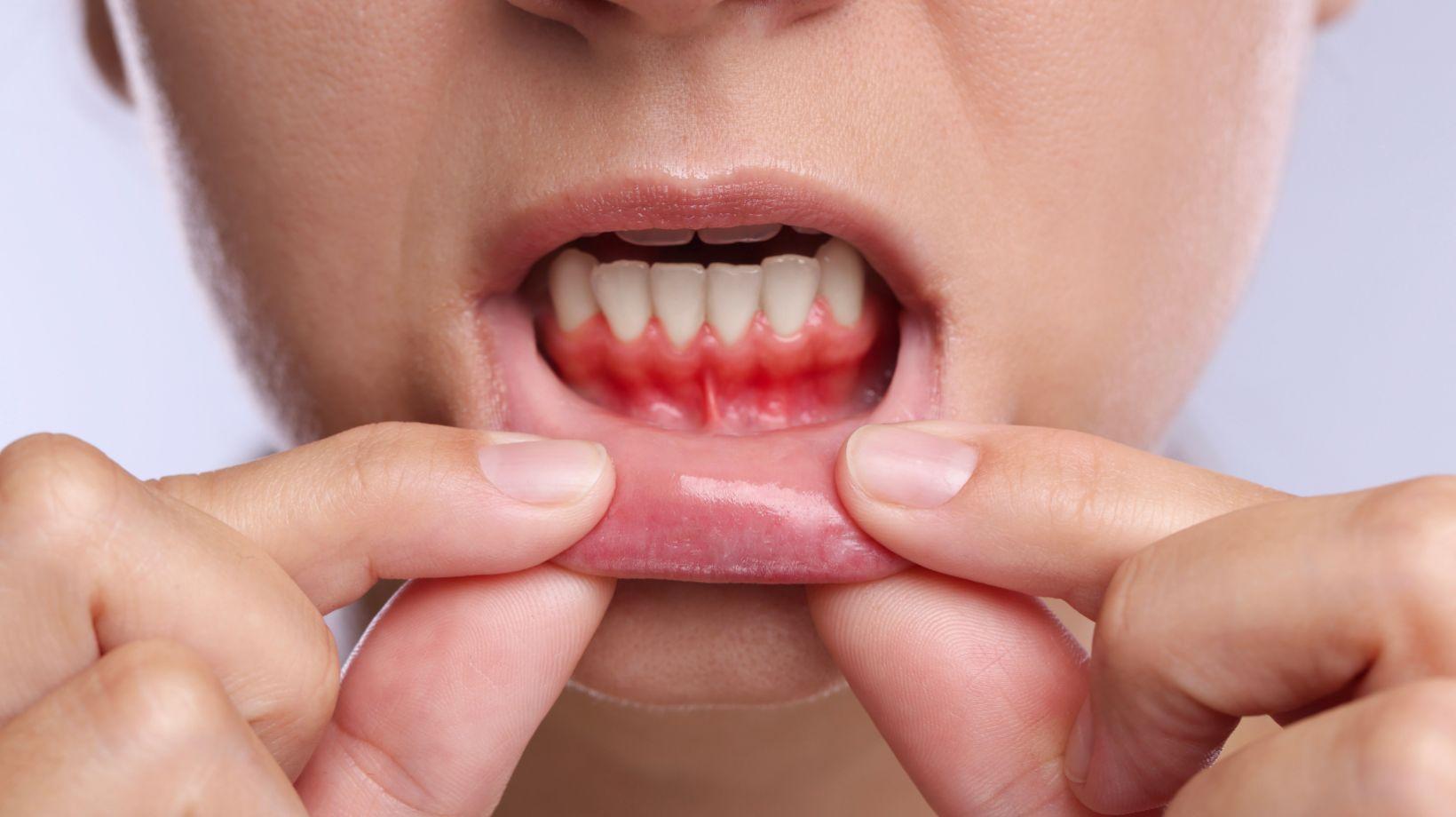

You might not notice early gum disease because its signs stay subtle: slight redness, a tender spot when you brush, or occasional bleeding that you dismiss as flossing too hard.
If your gums look a little swollen, feel sensitive, or bleed with brushing—even occasionally—those are the most common early visual and sensory warnings that something needs attention from a provider like Castro Valley Advantage Dental.
This article will show what those subtle changes actually look like, how to tell them apart from normal gum variations, why plaque buildup matters, and which local factors in Castro Valley can raise your risk.
Table of Contents
TogglePrimary Visual Signs of Early Gum Disease
You may notice small, specific changes at your gumline that indicate early gum disease: color shifts, slight swelling, tiny bleeds with brushing or flossing, and subtle texture differences.
These signs are visible before pain appears and are often the first reason to seek dental care.
Redness and Swelling at the Gumline
Look for a change from pale pink to a darker pink, red, or even purplish hue along the edge where tooth meets gum.
The color change is often localized — typically between two or three teeth first — and may be more obvious near molars or where plaque accumulates.
Swelling usually appears as a rounded, puffy margin that makes the gum edge look thicker than usual.
You can compare one side of your mouth to the other; asymmetry often helps you spot early swelling.
Press gently with a clean finger or cotton; inflamed gum tissue may feel softer than healthy gum.
Minor Bleeding During Brushing or Flossing
If you see blood on your toothbrush or floss, treat it as a sign, not normal wear.
Early gum disease commonly causes light bleeding that occurs with routine brushing or gentle flossing, especially along the gumline where plaque is present.
Bleeding may be intermittent and minimal — a few specks on floss or a thin smear on your brush — but it should not be ignored.
Note when bleeding happens: after morning brushing, after flossing between certain teeth, or following aggressive brushing.
Tracking these patterns helps your dentist identify problem areas.
Subtle Changes in Gum Texture
Healthy gums look stippled, like the surface of an orange peel.
Early disease often smooths that texture, giving the gum a shiny, taut appearance around affected teeth.
Run your tongue lightly over the gumline; a loss of the normal grainy feel can indicate inflammation.
You might also notice slight recession where the gum margin pulls away from the tooth, exposing a small band of root or making teeth look longer.
These texture changes are easy to miss, so take photos or ask someone to check hard-to-see spots if you suspect early changes.
Commonly Overlooked Symptoms
These early signs can be subtle yet consistent: bad breath that doesn’t clear with mints, gums that feel tender to the touch, and a slowly shifting gumline that makes teeth look longer.
Noticeable changes often happen gradually and without pain.
Persistent Bad Breath
Bad breath that persists despite brushing and mouthwash often signals trapped bacteria in the gum pockets.
You might notice a sour or metallic odor first thing in the morning or between meals, and chewing gum or mints only mask the smell temporarily.
Pay attention if flossing or a professional cleaning briefly improves odor but it returns within days.
That pattern suggests bacterial biofilm on the gum margin rather than digestive causes.
Mention this to your dentist so they can check for plaque below the gumline and measure pocket depths.
If the breath issue co-occurs with a slightly bitter taste or visible plaque buildup near the gum edge, your dentist may recommend a deeper cleaning and targeted home care—electric toothbrush, daily interdental cleaning, and antimicrobial rinses.
Mild Gum Sensitivity
You may feel slight tenderness when brushing or flossing, but dismiss it as brushing too hard.
Sensitivity can present as localized soreness, a pinprick discomfort around one or two teeth, or a general “raw” feeling along the gum margin.
This tenderness typically appears without sharp pain and might subside during the day.
Note when sensitivity worsens—after hot or cold drinks, or following aggressive cleaning—because those patterns help your clinician distinguish early inflammation from tooth sensitivity or abrasion.
Record which areas feel sensitive and how long the sensation lasts.
That record helps your provider target care such as improved technique, professional plaque removal, or a desensitizing toothpaste.
Slight Receding of Gums
Receding gums show as a gradual lengthening of teeth or a visible notch at the gumline.
At first you might notice more tooth surface when you smile, or thin triangular gaps near the gum margin between adjacent teeth.
Recession can be localized to one or two teeth or more generalized.
Common causes include chronic inflammation from plaque, aggressive brushing, or misaligned teeth concentrating force on the gum.
Once tissue recedes it rarely grows back, so early detection matters.
If you spot recession, photograph the area and bring it to your dental visit.
Treatments range from correcting brushing technique and controlling inflammation to professional procedures like grafting if progression continues.
Distinguishing Normal vs Abnormal Gum Appearance
You can tell a lot by looking closely at your gums: color, texture, and how they meet your teeth reveal health or early disease.
Small changes like persistent redness, swelling, or bleeding with brushing signal a shift away from normal.
Healthy Gum Characteristics
Healthy gums are usually a consistent pale pink or slightly darker depending on your skin tone.
They fit snugly around each tooth with a scalloped edge, and the texture is slightly firm and stippled rather than smooth and shiny.
You should see no pockets or receding edges where the tooth root appears.
Normal gums rarely bleed when you brush or floss; occasional minor bleeding after aggressive flossing can occur, but regular bleeding is not normal.
Breath may vary after eating, but chronic foul breath can accompany gum problems.
Healthy gums don’t feel tender to the touch and return quickly to normal after routine cleaning.
Developing Irregularities
Early gum disease often shows as persistent redness, especially along the gum line, and a glossy or swollen appearance compared with the surrounding tissue.
You may notice the gums puff up between teeth or form a rounded, bulbous shape.
Bleeding when you brush or floss is a common early sign.
Other changes include slight gum recession where the tooth looks longer, small gaps forming at the gum line, and mild, constant tenderness or sensitivity.
Pay attention to new or ongoing bad breath and a change in how your teeth fit together; both can accompany early periodontal changes.
If you spot any of these signs, schedule a dental visit for probing and cleaning before deeper pockets form.
Plaque Accumulation and Its Effects
Plaque forms where your toothbrush and floss miss.
It sits along the gumline and between teeth, soft at first but quickly changing in ways that affect gum health.
Early Buildup Along Teeth
Plaque appears as a soft, sticky film clinging to tooth surfaces, especially behind molars and along the gumline where brushing is less effective.
You may not feel it at first, but plaque harbors bacteria that produce acids and irritants.
Those acids begin to inflame the gums, causing slight redness and tenderness that you might dismiss as sensitivity after eating.
If plaque remains, minerals in your saliva start to harden it into tartar within 24–72 hours, making removal with a brush impossible and allowing bacteria to persist.
What to watch for:
- Plaque accumulation where teeth touch or behind the last molars.
- A fuzzy feeling on teeth when you run your tongue over them.
- Mild gum irritation or bleeding when you brush or floss.
Addressing plaque early with consistent brushing, daily flossing, and a dental cleaning prevents the hardened deposits that lead to more obvious gum disease.
Subtle Color Variations
Healthy gums are typically pale to medium pink and firm.
Early plaque-driven inflammation changes that tone; you may notice localized pink-to-red shifts along the gumline near affected teeth.
These color changes are often subtle—thin red bands or patches rather than full-swollen gums—and they commonly appear where plaque accumulates most, like between teeth and at the back of the mouth.
Use these simple checks:
- Compare gum color from one side of your mouth to the other.
- Inspect around the base of each tooth after rinsing to remove food debris.
- Note any areas that look darker pink or red, even if swelling is minimal.
Detecting these color changes early helps you and your dentist target cleaning and home care before pockets or bone loss develop.
Risk Factors Unique to Castro Valley CA Residents
Local food choices, air quality, commute patterns, and common health profiles in the area can raise your chance of early gum disease.
These factors affect plaque formation, immune response, and how often you get professional dental care.
Local Dietary Influences
Many Castro Valley residents favor dining out in nearby Oakland and San Francisco or ordering takeout, which increases consumption of sugary sauces, refined-carbohydrate snacks, and sweetened beverages.
Frequent intake of these foods feeds oral bacteria that produce acid and accelerate plaque buildup along the gumline.
Local cultural favorites like Mexican and Asian cuisines can be tooth-friendly when they include vegetables and lean proteins, but also commonly feature sticky rice, tortillas, and sugary condiments that cling to teeth.
If you often snack between meals or sip sweetened coffee or kombucha throughout the day, saliva has less chance to neutralize acids, raising early gum inflammation risk.
If your household diet is low in fresh produce or dairy, you may also be missing nutrients important for gum health, such as vitamin C, vitamin D, calcium, and omega-3 fatty acids.
Adjusting meal choices, rinsing with water after sticky or sweet foods, and spacing snacks can lower bacterial growth and reduce early signs like bleeding or swelling.
Environmental and Lifestyle Considerations
Castro Valley’s commuting culture and work schedules can reduce how often you brush and floss.
If you leave home early for BART or highway commutes and skip nighttime flossing after late shifts, plaque accumulates and creates pockets that irritate gums.
Air quality episodes from regional wildfires occasionally increase systemic inflammation for residents.
That inflammation can weaken your immune response in the mouth and make gums more prone to infection.
Smoking rates in the broader Bay Area and vaping among younger adults also impair gum tissue healing and mask early symptoms.
Access to dental care varies across neighborhoods.
If you delay routine cleanings due to cost, time, or clinic availability, tartar hardens and becomes harder to remove, allowing gingivitis to progress.
Scheduling regular checkups and seeking care early when you notice bleeding or persistent bad breath helps prevent progression.
Progression If Early Signs Are Ignored
Early redness, bleeding, or mild tenderness can escalate without treatment.
Small changes in gum contour can become deeper pockets and steady bone loss, making later care more complex and costly.
Potential for Advanced Gum Disease
If you ignore bleeding and swollen gums, plaque hardens into calculus that firmly attaches to tooth roots.
Bacterial toxins then push the gum margin away from the tooth, creating pockets that trap more debris and increase infection risk.
Over months to years you can develop periodontitis: pockets deepen beyond 4 mm, connective tissue breaks down, and alveolar bone begins to resorb.
You may notice persistent bad breath, pus around teeth, and teeth that feel loose or change position.
Treatment shifts from simple cleaning to scaling and root planing, possible antibiotics, and sometimes surgical interventions like flap surgery or grafts.
Outcomes worsen the longer you wait; bone loss is irreversible and often requires complex restorative work.
Long-Term Impact on Oral Health
Unchecked periodontitis gradually undermines tooth support structures, increasing your risk of tooth mobility and eventual tooth loss.
Losing back teeth affects chewing and facial support, altering bite and accelerating wear on remaining teeth.
Advanced gum disease also raises the chance of needing dental implants, bridges, or removable prostheses—each option involves additional surgery, expense, and maintenance.
You may also face repeated periodontal maintenance visits every 3 months to control recurring infection.
Systemic health links mean your chronic oral inflammation can complicate diabetes control and may worsen cardiovascular risk factors.
Managing early signs promptly reduces these long-term burdens and preserves more natural tooth structure.
When to Seek Dental Evaluation
If you notice any of the early signs—bleeding when you brush, persistent bad breath, or gums that look redder or puffier than usual—schedule an exam. These changes can be subtle, and a dentist can confirm whether they represent gingivitis or something more advanced.
Make an appointment if your gums bleed repeatedly over a week or two, even with improved brushing and flossing. Professional cleaning can remove tartar that home care cannot.
Seek evaluation when you feel any looseness in a tooth or see gums pulling away from the tooth surface. Those signs suggest attachment loss and require clinical measurements and possibly X-rays to check bone support.
Consider more frequent visits if you have risk factors: diabetes, smoking, dry mouth, a weakened immune system, or a family history of periodontal disease. Tell your dentist about these factors so they can tailor screening and preventive care.
If you’re due for a routine cleaning, use it as an opportunity to ask about pocket depths, recession, and recommended home-care changes. Regular check-ups make it easier to catch progression early.