
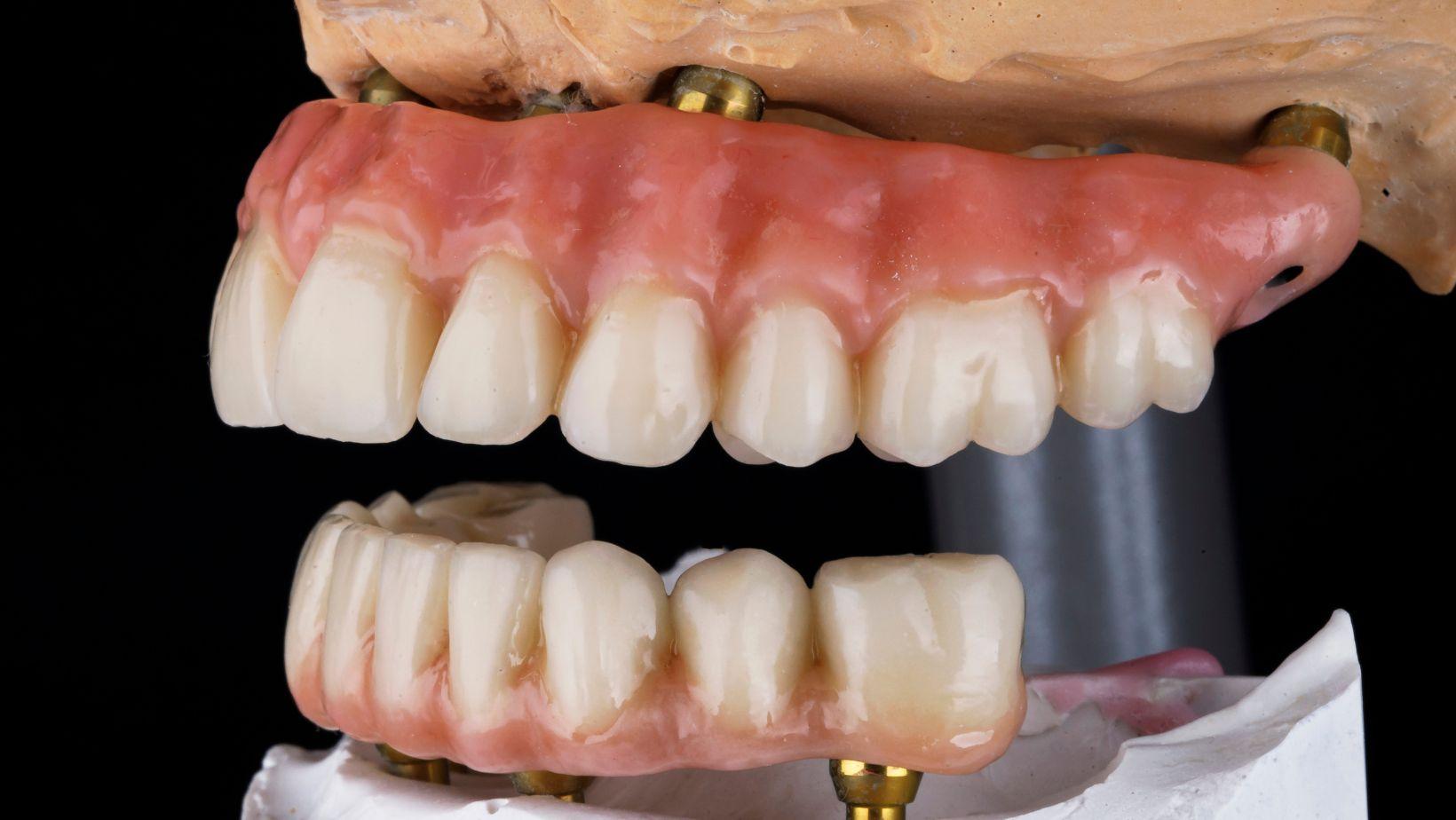

Recovery after upper versus lower jaw implants just feels different. Your jaw anatomy, bone quality, and all those nearby structures change how surgery goes and how your body bounces back.
Upper jaw bone? It’s softer, and it sits closer to the sinus cavity. The lower jaw is denser and runs right by the nerve that gives your chin and lip feeling.
Those differences shape your pain levels, healing time, and whether you might need extra steps like bone grafts or sinus lifts.
You might notice upper implants come with a slightly higher chance of longer healing or extra procedures, thanks to softer bone and how close everything is to the sinus. Lower implants usually fuse more predictably, but they can give you sharper, nerve-related discomfort.
Let’s look at how surgeons approach each jaw, why your dental implants recovery might not match someone else’s, and what you can actually do to make healing less of a headache.
Table of Contents
ToggleComparing Surgical Procedures
Surgeons use different approaches, timelines, and even tools depending on if they’re working on your upper or lower jaw. Bone quality, the stuff around the implant, and whether grafting or nerve/sinus work is needed all play a role.
Bone Structure and Placement Techniques
The upper jaw (maxilla) usually has thinner, less dense bone than the lower jaw (mandible). That softer bone often means you need longer or wider implants, or sometimes a staged approach with bone grafting, just to get things stable.
If you don’t have enough vertical bone in the back of your upper jaw, your surgeon might suggest a sinus lift or a graft to make room. In the lower jaw, the bone is denser, so you usually get solid stability right away, but you might need shorter implants if the nerve is in the way.
Your surgeon picks implant size and surface based on your bone. These days, guided surgery and 3D imaging really help dial in the placement for both jaws.
Duration and Complexity of Surgery
Upper-jaw implants can take longer, especially if you need a sinus lift or bone graft. A single implant in the front of the upper jaw? That can be pretty quick. Add a sinus lift in the back, though, and you’re looking at more time and a trickier recovery.
Lower-jaw implants usually go in faster for single teeth, since the bone density makes it easier to get a good grip. But if you’re getting a full arch or need nerve repositioning, things get more complicated and might even require staged surgery or a night in the hospital.
Multiple implants, immediate loading, or bone grafts will draw things out, no matter which jaw. Pre-op planning with CBCT scans can help keep the actual surgery moving.
Impact on Surrounding Oral Tissues
The upper jaw sits close to the sinus. If the surgeon accidentally enters that space, you could end up with sinus issues or a torn membrane. The thickness of your upper lip and vestibule also changes how they cut and close the flap, which affects how much bleeding and swelling you’ll see.
In the lower jaw, the main thing is the inferior alveolar nerve. That nerve runs inside your jaw and gives sensation to your chin and lip, so your surgeon will map it carefully and keep a safe distance. Sometimes, in rare cases, they might need to move the nerve aside.
Roots of nearby teeth, your gum type, and any old infections also change how the surgeon works. Swelling patterns differ too—upper jaw surgery often leads to more puffiness near your nose and cheeks, while lower jaw work can numb your chin or lip and make your jaw feel tight.
Variation in Recovery Experiences
Recovery isn’t one-size-fits-all. Sensations, timelines, and aftercare all change depending on which jaw gets the implant.
Bone density, sinus proximity, and even muscle movement make a real difference in swelling, pain, and what support you’ll need.
Differences in Swelling and Discomfort
Upper-jaw implants often cause more visible facial swelling. The bone is thinner and close to the sinus, so swelling can spread under your eyes and along your cheek. Usually, it peaks within two or three days.
Lower-jaw implants tend to cause more local soreness in the jaw and gums. Because the bone’s denser, you might notice firmer pressure and deeper muscle aches when you talk or chew for the first week.
Pain varies, of course. Bigger grafts or multiple implants crank up both swelling and soreness, no matter where they go. Stick with your pain meds, use cold packs, and lay low for a couple of days to help control swelling.
Healing Timeline for Each Jaw
Mandibular (lower jaw) implants usually get stable faster. You might feel things improving within a month or two. That dense bone supports the implant well and often speeds up integration.
Upper-jaw implants take longer to fully heal—think three to six months, especially if you needed a sinus lift or had low bone density. If you had bone grafting, expect an even longer wait before your final tooth goes in.
You’ll need follow-ups at one or two weeks, then again at three months, and finally when you get your permanent crown. Your overall health—things like smoking or diabetes—can slow healing for both jaws.
Post-Surgical Support Requirements
Upper-jaw cases often call for extra support: sinus lifts, bone grafts, or longer implants. You might get a temporary tooth that avoids putting pressure on the implant until it’s ready.
Lower-jaw implants sometimes let you use a temporary tooth sooner if stability is good. Still, you may need a nightguard or bite adjustments if you grind your teeth.
For both jaws, expect:
Ask your surgeon when you can chew normally and when your new tooth can take full pressure.
Influence of Jaw Anatomy
Your jaw’s structure—blood flow, bone quality, and how you use it—shapes pain, swelling, and how fast implants heal. Recovery needs do change depending on which jaw gets the implant.
Blood Supply Variations
Blood flow affects healing and swelling. The lower jaw gets a strong blood supply from the inferior alveolar and mental arteries, which often helps the area heal well.
The upper jaw’s blood supply is more spread out, coming from arteries like the posterior superior alveolar and greater palatine. That can make swelling more obvious across your cheek and sinus.
Blood flow differences also affect infection risk. The lower jaw’s focused circulation helps control swelling. In the upper jaw, blood spreads out more, so you might see more facial puffiness and slower healing. If you notice heavy bleeding or swelling that won’t quit, call your surgeon.
Bone Density and Stability
Bone density is key for implant stability. The lower jaw’s dense bone gives strong support, so you might get a temporary tooth sooner and feel confident chewing faster.
The upper jaw usually has softer, spongier bone, especially in the back near the sinus. That means less stability at first and a higher chance you’ll need a bone graft, a wider implant, or a longer healing time. Your surgeon will check how tight the implant feels and may use special imaging to plan extra steps.
Functional Demands During Recovery
How you use your mouth after surgery matters a lot. Lower-jaw implants take more bite force, so you’ll probably need stricter diet restrictions for a few weeks to avoid wiggling the implant.
Upper-jaw implants, especially in the back, don’t take as much chewing force but are close to the sinus and thin bone. You’ll need to avoid blowing your nose or creating pressure in your head for a while.
For both jaws, keep up gentle oral hygiene, skip smoking, and stick to activity limits your surgeon gives you. It’s easy to forget, but those details really do help the implant heal.
Managing Expectations and Aftercare
You’ll have to tweak your food choices, cleaning routine, and follow-up visits depending on which jaw got the implant. Healing times, diet changes, and check-ups all matter for a smooth recovery.
Nutrition and Diet Adjustments
Stick with soft, nutritious foods for at least a week or two. Think yogurt, mashed potatoes, smoothies (but use a spoon for the first couple of days), scrambled eggs, and blended soups.
Skip hot drinks for the first day and don’t use straws for at least a week—they can mess with blood clots and stitches.
Move to chopped soft foods over the next few weeks, depending on how you feel and what your surgeon says. If you had upper-jaw work or a sinus lift, avoid hard or chewy foods longer. Lower-jaw implants sometimes let you try firmer foods a bit sooner, but go slow and chew on the other side first.
If your diet’s lacking, consider protein or vitamin D supplements, but check with your clinician first. Stay hydrated, and try to avoid alcohol and tobacco since both can slow healing and up your infection risk.
Oral Hygiene Best Practices
Keep the area clean, but don’t mess with your stitches. For the first day, just leave it alone. After that, rinse gently with warm salt water (half a teaspoon in a cup of water) several times daily, especially after eating.
Use a soft toothbrush and be gentle around the surgery site. Don’t brush directly over the implant until your surgeon gives the okay.
If you’re prescribed antibacterial mouthwash or chlorhexidine, use it exactly as told. Electric toothbrush? Start on low power and keep strokes short near the implant. Floss around nearby teeth, but hold off on interdental brushes near the implant until your surgeon says it’s safe.
If you get more pain, a bad taste, or bleeding that won’t stop, call your dentist. Those could be signs of infection and need quick care.
Follow-Up Protocols
Show up for all your follow-up visits. Usually, you’ll have appointments at 1–2 weeks for suture removal.
Then there’s another check at 4–6 weeks to see how you’re healing. After that, expect a visit at 3–6 months, where your surgeon will make sure the implant’s really fused with your bone before moving on.
Your surgeon will look things over and take X-rays to see if the bone and soft tissue look healthy. It’s a good idea to jot down any symptoms, meds you’re taking, or weird things that happen between visits.
If you notice swelling that actually gets worse after three days, a fever above 101°F (38.3°C), or if the implant feels loose, don’t wait—call your clinic right away.
Long-term, you’ll need professional cleanings every 3–6 months, depending on your risk. And don’t forget daily plaque control—it’s your best bet for keeping the implant and bone in good shape.