
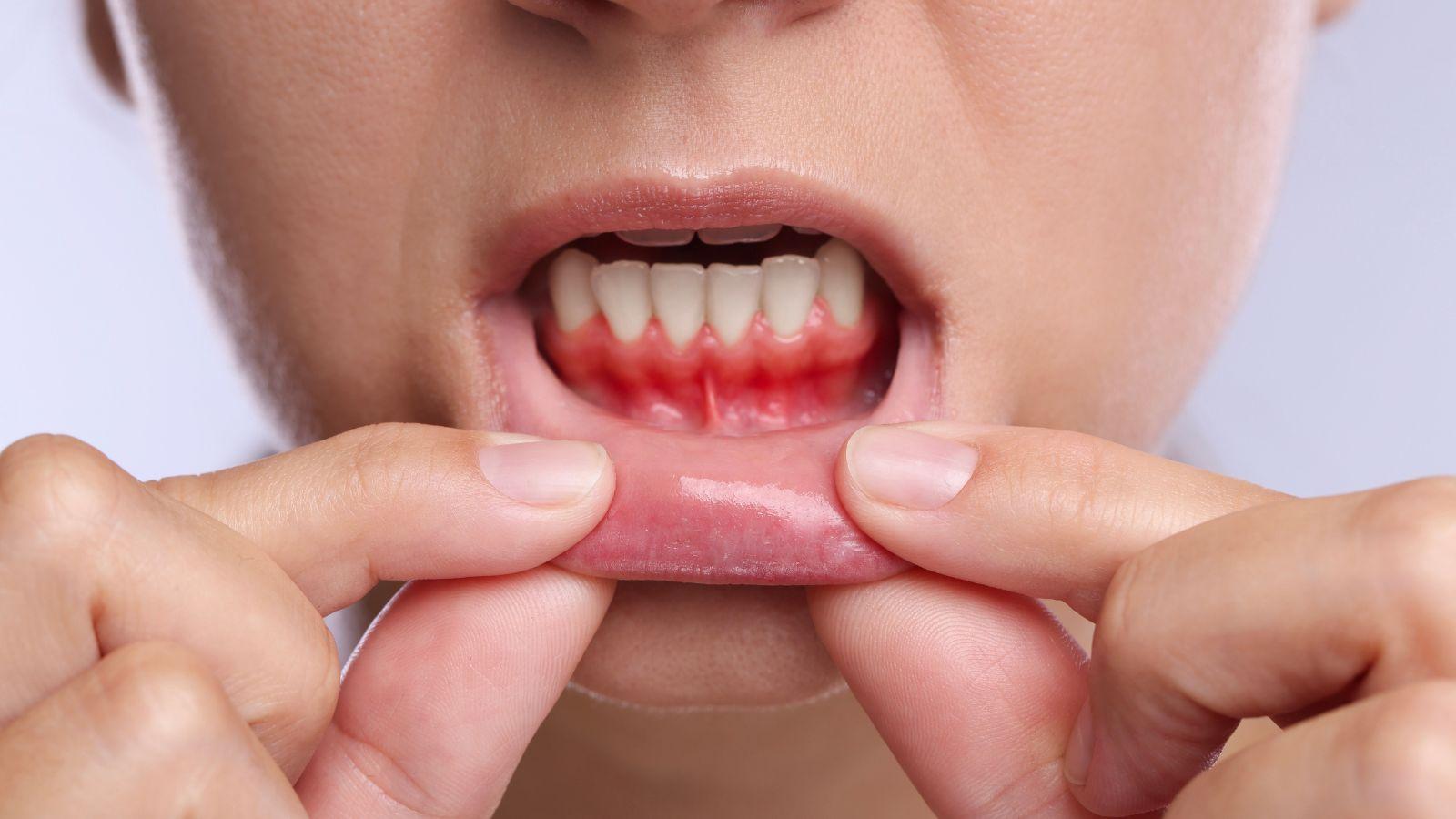

Your mouth does more than shape your smile. It can kick off a cycle of inflammation that spreads throughout your body.
When gum disease and an unbalanced oral microbiome keep poking at your immune system, that local inflammation can slip into your bloodstream and make things like heart disease and diabetes worse.
Let’s dig into how oral infections and daily habits keep that inflammation loop spinning. We’ll look at which dental problems drive chronic inflammation and, more importantly, some practical ways you can break the cycle—starting with professional care from a practice like Countryman Dentistry to treat the gum disease and infections that keep it going.
Table of Contents
ToggleLinking Oral Health and Systemic Inflammation
Oral infections send inflammatory signals through your blood and nerves. Specific oral microbes can tip your immune system off balance.
Recent clinical studies link periodontal disease to diabetes, cardiovascular disease, and even pregnancy complications. The connections are getting harder to ignore.
Biological Pathways Connecting the Mouth and Body
When your gums get inflamed, they release cytokines like IL-1β, IL-6, and TNF-α. These slip into your bloodstream and raise inflammation everywhere.
Those same mediators mess with insulin signaling and can mess up blood vessels. They also wake up distant immune cells.
Everyday things like chewing or brushing your teeth can push bacteria from gum pockets into your blood. Once there, bits like lipopolysaccharide (LPS) poke at your blood vessels and liver, setting off acute-phase responses—think higher CRP.
Nerves play a role too. Trigeminal and vagal pathways connect oral pain and inflammation to your body’s wider immune control. If you smoke, have poor blood sugar control, or carry extra weight, these effects get even stronger because those factors keep both your mouth and body in a pro-inflammatory state.
Role of Oral Microbiome in Inflammatory Disorders
Your oral microbiome shifts from balanced to chaotic in periodontitis. Species like Porphyromonas gingivalis, Tannerella forsythia, and Treponema denticola start taking over.
These bacteria mess with your immune system, breaking down complement factors and throwing neutrophils off their game. Their enzymes and toxins disrupt the barriers in your mouth, letting bacterial products leak into your blood.
That means your body faces more antigens, which drives ongoing low-grade inflammation—higher CRP, weird cytokine patterns, the works. Microbial metabolites—short-chain fatty acids and proteases—push T-cells toward Th17 responses and tamp down regulatory T-cells.
Those immune shifts show up in diseases where immune balance matters, like atherosclerosis, rheumatoid arthritis, and metabolic syndrome. It’s a complicated mess, honestly.
Evidence from Recent Clinical Studies
Studies keep finding that worse gum disease goes hand-in-hand with more heart problems, tougher diabetes control, and higher risk of preterm birth. Some intervention trials show that treating gum disease can lower systemic inflammation markers like CRP and HbA1c—sometimes just a bit, but it counts.
Meta-analyses show the risk for cardiovascular problems jumps with periodontitis, though the numbers vary depending on what other factors researchers adjust for. Small trials using targeted antibiotics or anti-inflammatory agents in the mouth show drops in both oral and systemic inflammation.
It’s not all cut and dry—study designs, treatment levels, and patient backgrounds all muddy the waters. But the pattern is clear enough that oral care should be part of the plan for anyone dealing with systemic inflammation.
Dental Conditions That Drive Chronic Inflammation
Certain dental diseases keep your immune system on high alert. Dental infections can tweak immune function, and gum disease can push up your cardiovascular risk.
Let’s break down how these problems play out, what markers to watch for, and what you can do about them.
Periodontal Disease and Inflammatory Responses
Periodontal disease starts with plaque building up. It moves on to immune-driven destruction of the tissue and bone holding your teeth.
Your immune cells release cytokines—IL-1β, IL-6, TNF-α—and enzymes that break down the ligament and bone. This creates a kind of self-sustaining local inflammation.
That inflammation doesn’t stay put. People with moderate-to-severe periodontitis tend to have higher CRP and fibrinogen in their blood, showing that oral inflammation can boost your whole-body inflammatory load.
Treating gum pockets—by scaling, root planing, and using targeted antimicrobials—cuts down the bacteria and lowers those inflammation markers. Keeping up with these treatments interrupts the cycle that keeps your gums and the rest of you inflamed.
Impact of Dental Infections on Immune Function
Dental infections—abscesses, apical periodontitis, untreated cavities—keep releasing bacteria and antigens. These poke at your immune cells, triggering more cytokine release and training your innate immune system to stay on guard.
You might notice you feel a bit off, maybe with a low-grade fever or changes in your white blood cell counts. Chronic exposure to these antigens can push your adaptive immunity toward Th1/Th17 responses, which keeps inflammation simmering both in your mouth and elsewhere.
Getting rid of the infection—whether by root canal, extraction, or a proper filling—cuts down the antigen load and helps reset your immune system. Taking care of dental problems quickly keeps them from fueling bigger health issues.
Relationship Between Gum Disease and Cardiovascular Risk
Gum disease shows up with higher markers of cardiovascular risk. It’s not that gum disease directly causes artery plaques, but it does ramp up systemic inflammation and pro-clotting factors.
People with severe periodontitis often have higher CRP, more IL-6, and more fibrinogen floating around. When oral bacteria or their products enter your bloodstream—sometimes just from chewing or dental work—they can activate your blood vessels and platelets.
That sets up a pro-inflammatory, pro-coagulant state, making artery plaques more likely to rupture in those at risk. Managing gum inflammation can lower cardiovascular risk markers and may even cut down on heart events in high-risk groups.
It’s smart to coordinate dental care with your doctors, especially if you smoke, have diabetes, or struggle with obesity—since those things worsen both gum and heart disease.
Lifestyle and Prevention Strategies
You can dial down oral-driven inflammation by changing up your daily habits, making better food choices, and teaming up with your healthcare providers if you’ve got systemic risks. These steps help target plaque, balance your oral microbiome, and cut the inflammation that links gum disease to bigger health problems.
Dietary Influences on Oral Inflammation
Pick foods that help lower inflammation in your mouth and body. Load up on veggies, fruits, fatty fish like salmon and mackerel for omega-3s, whole grains, nuts, and olive oil.
These foods support a healthier oral microbiome and tamp down inflammation. Try to cut back on added sugars, starchy snacks, and sugary drinks—those feed the bacteria behind cavities and gum disease.
If you eat fermentable carbs, have them with meals instead of snacking all day, and rinse with water after to lower acid exposure. Thinking about supplements? Talk to your doctor first.
Some studies hint that vitamin D, potassium, and certain probiotics might help oral health, but everyone’s needs are different. Nutrition works best as part of a bigger plan that includes brushing and medical care.
Daily Oral Hygiene Practices
Brush your teeth twice a day with fluoride toothpaste for two minutes. Use a soft-bristled brush and gentle circles—don’t scrub like you’re cleaning grout.
Swap out your toothbrush every three or four months, or sooner if you’ve been sick. Floss or use interdental cleaners daily to clear out the biofilm between teeth.
If flossing’s a pain, electric flossers or picks can make it easier. Use an antimicrobial mouthwash for a short stint if your dentist tells you to for gingivitis.
Book professional cleanings every three to six months, depending on your risk. Let your hygienist know about any meds, smoking, or health conditions that could affect your gums so they can adjust your care.
Medical Management of At-Risk Individuals
If you’ve got diabetes, cardiovascular disease, or a weakened immune system, you’ll want your dentist and primary care provider to actually talk to each other. It’s not just a formality—tight glycemic control can help keep gum disease from getting worse and might even prevent other health problems down the line.
Your clinician might suggest more frequent periodontal checkups or deep cleanings like scaling and root planing. Sometimes, they’ll throw in localized antibiotics or tweak your meds if something’s drying out your mouth or messing with your immune response.
Quitting smoking and managing your weight can really cut down on inflammation, both in your mouth and throughout your body. Don’t hesitate to ask for referrals—to a dietitian, a quitting program, or even a chronic disease specialist—if you need help tying your oral health into the bigger picture.