
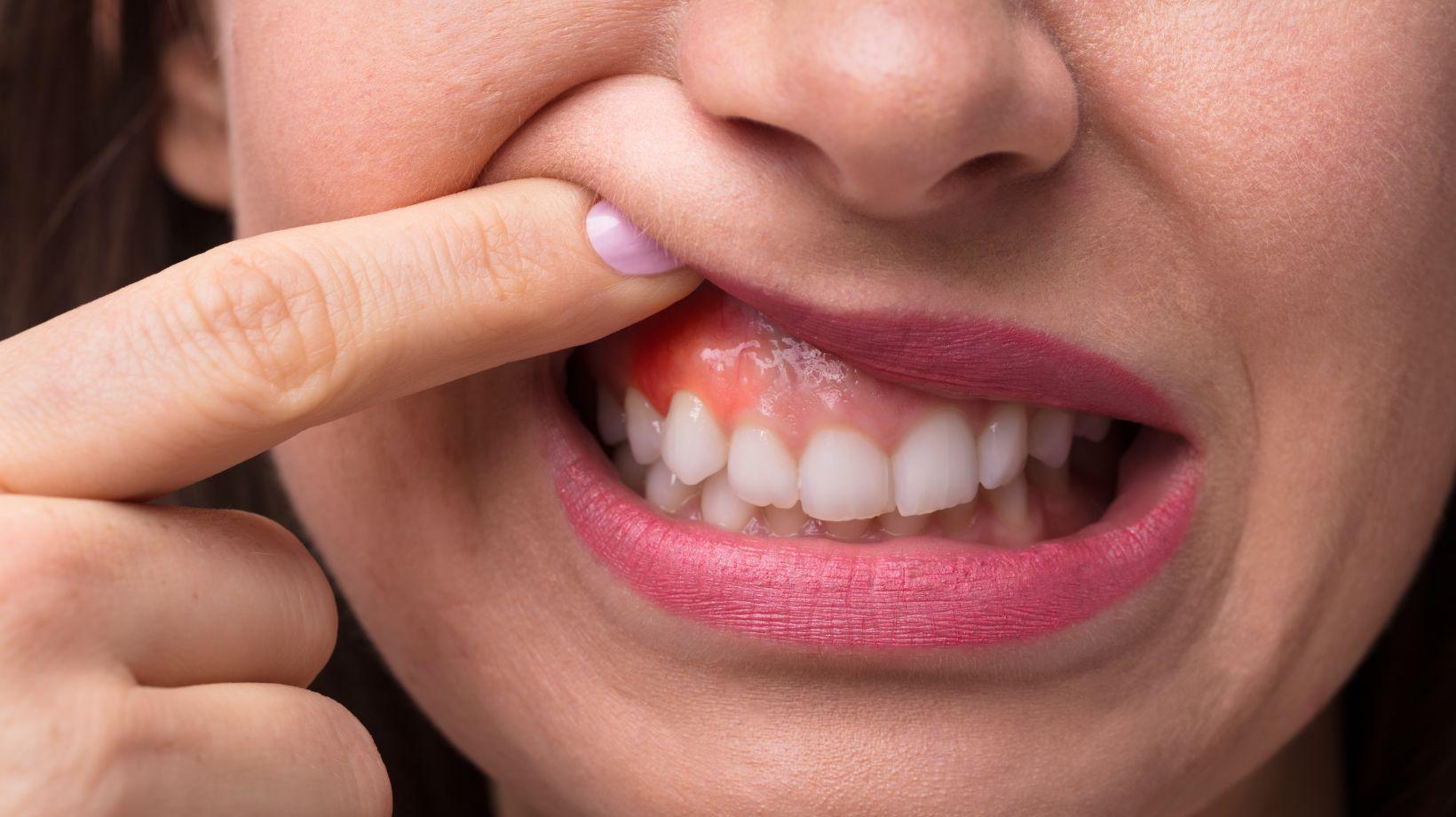

Swelling in your jaw or gums can mean anything from a minor irritation to a spreading infection that needs immediate care.
If you have trouble breathing or swallowing, rapid swelling, high fever, or spreading redness, seek emergency medical help right away; localized swelling with mild pain and no systemic symptoms can usually wait for a same-day visit with a provider like Legacy Dental Studio.
This guide will help you tell the difference so you act quickly when it matters and avoid unnecessary panic when it doesn’t.
You’ll learn how to spot urgent warning signs, common causes like abscesses or gum infections, simple self-care steps to ease discomfort, and when your condition warrants emergency attention versus a routine dental visit.
Follow clear, practical advice to protect your health, save teeth, and get the right care at the right time.
Table of Contents
ToggleRecognizing Warning Signs
Swelling that appears suddenly, grows quickly, affects breathing or swallowing, or occurs with a high fever signals an urgent problem.
Pay attention to how fast symptoms develop, where the swelling spreads, and any systemic signs like fever or chills.
Sudden and Severe Swelling
If your jaw or gum becomes noticeably larger within hours, treat it as urgent.
Rapid swelling often means an abscess or spreading infection; you may see a lump on the gum, a pushed-out tooth, or facial asymmetry.
Severe swelling usually comes with intense, throbbing pain that doesn’t respond to over-the-counter analgesics.
You might also notice warm skin over the area, redness, or a foul taste or discharge in your mouth—signs that pus is present and bacteria are active.
Call your dentist or urgent care the same day if swelling doubles in size, advances beyond the initial tooth area, or if you cannot control pain.
Quick professional drainage and antibiotics often prevent deeper spread to bone or soft tissues.
Difficulty Breathing or Swallowing
Any change in breathing or swallowing requires immediate emergency care.
If swelling presses on your throat, you may feel tightness, noisy breathing, or an inability to swallow saliva easily.
Watch for hoarseness, drooling, or a sensation that your airway is narrowing.
These symptoms can indicate Ludwig’s angina, deep neck space infection, or rapidly expanding cellulitis—conditions that can obstruct the airway.
If you experience shortness of breath, stridor, severe difficulty swallowing, or if you can’t lie flat because of breathing problems, go to the nearest emergency department right away.
Do not wait for a dental appointment.
High Fever or Chills
A fever above 101°F (38.3°C) or shaking chills with jaw/gum swelling suggests systemic infection.
Fever means the infection may have left the local tissue and entered the bloodstream or deeper spaces.
You may also feel generally unwell, weak, or have swollen lymph nodes under the jaw or in the neck.
These constitutional signs increase the risk of complications like sepsis or spread into neck and chest tissues.
Seek urgent medical or dental evaluation the same day if fever or chills accompany oral swelling.
Treatment typically requires antibiotics, and you may need IV therapy or hospitalization depending on severity.
Common Causes of Jaw and Gum Swelling
Swelling in the jaw or gums usually stems from localized dental problems, direct injury, impacted teeth, or systemic conditions that affect oral tissues.
Knowing the specific cause helps you decide whether to seek urgent care or schedule a routine dental visit.
Dental Infections
Dental infections commonly begin as a cavity or gum disease that progresses into the tooth pulp or surrounding tissues.
You may notice a constant throbbing toothache, tender or red gums, and pus drainage; fever and facial swelling indicate the infection is spreading.
When you see fluctuance (a soft, fluid-filled swelling), rapidly increasing pain, fever, or difficulty swallowing, treat it as an emergency and get immediate dental or medical care.
Trauma or Injury
Direct blows to the face, biting hard foods, or dental procedures can cause localized swelling from soft-tissue injury or fractures.
You might have bruising, limited jaw opening, misaligned teeth, or numbness along the jaw or lip.
Soft-tissue swelling without severe bleeding often responds to cold packs, analgesics, and a dentist check within 24–48 hours.
Suspect a fracture or significant internal injury if swelling worsens quickly, you can’t close or open your mouth normally, or you have persistent bleeding; these signs need urgent imaging and specialist treatment.
Impacted Wisdom Teeth
An impacted third molar that partially erupts can create a flap of gum that traps food and bacteria, causing pericoronitis.
You’ll usually feel localized swelling behind the lower molars, pain when chewing, and sometimes a bad taste from pus.
Recurrent inflammation or swelling that limits mouth opening often requires professional cleaning, antibiotics for active infection, and evaluation for extraction.
If swelling extends toward the throat or causes fever and difficulty breathing or swallowing, seek emergency care because the infection can spread into deep neck spaces.
Underlying Medical Conditions
Systemic illnesses and glandular problems can produce jaw or gum swelling without an obvious dental source.
Viral infections like mumps cause painless enlargement of the salivary glands; bacterial sialadenitis presents with painful, swollen glands and thicker saliva.
Autoimmune conditions (for example, Sjögren’s or granulomatosis) and allergic reactions can also cause oral swelling; medications and angioedema should be considered if swelling is rapid and painless.
If you have chronic or recurrent swelling, dry mouth, fever, or signs affecting breathing or vision, coordinate with your dentist and primary care provider for imaging, lab tests, and targeted treatment.
Urgency Assessment: When to Seek Immediate Care
You should act quickly when swelling comes with signs that the infection is spreading, affecting breathing or swallowing, or causing high fever.
Minor, localized swelling with no systemic symptoms can often wait for a same-day or next-day dental visit.
Signs of Dental Emergencies
Look for rapidly increasing facial or jaw swelling that changes hour to hour.
If swelling crosses the lower jaw into the neck or under the tongue, treat it as an emergency.
Difficulty breathing, noisy breathing, or trouble swallowing are immediate red flags.
Seek emergency medical care if your airway feels compromised, or if you develop drooling or an inability to open your mouth widely.
High fever (over 101°F / 38.3°C), chills, or general weakness along with oral swelling suggest the infection may be systemic.
Severe, unrelenting tooth or jaw pain, a spreading red streak on the skin, or a fluctuating, painful lump (abscess) also require urgent attention.
Risks of Delaying Treatment
An untreated dental infection can spread from the tooth or gum into the jawbone, neck spaces, or bloodstream.
This can lead to deep neck infections, sepsis, or a rare but life-threatening condition called Ludwig’s angina that can obstruct the airway.
Delays can cause permanent tissue damage and increase the complexity of treatment.
Expect longer courses of antibiotics, possible hospital admission, IV therapy, or surgical drainage if you wait until the infection is advanced.
If you have diabetes, a weakened immune system, or heart valve disease, the risk of rapid progression is higher.
Contact emergency services sooner rather than later if you fall into these higher-risk categories.
Symptoms That Are Less Urgent
These signs usually do not require immediate emergency care and can often be managed with prompt scheduling at your regular dental office.
Watch for stability or improvement over 24–48 hours and contact your dentist if symptoms worsen or new red flags appear.
Minor Gum Irritation
Minor gum irritation typically appears as localized redness, slight swelling, or mild bleeding after brushing or flossing.
You might notice tenderness when you touch the area or when eating crunchy foods, but you do not have fever, spreading facial swelling, pus, or severe pain.
Manage this by improving oral hygiene: gently floss the area, use a soft-bristled toothbrush, and rinse with warm salt water (1/2 teaspoon salt in 8 ounces of water) twice daily.
Over-the-counter pain relievers like ibuprofen or acetaminophen can reduce discomfort; follow dosing directions on the label.
If the irritation persists beyond a week, recurs frequently, or you see a persistent pocket of swelling, schedule a dental visit to check for gingivitis, a localized abscess, or an ill-fitting restoration.
Mild Discomfort Without Other Symptoms
Mild tooth or jaw discomfort that does not include fever, spreading swelling, difficulty breathing, or swallowing is usually not an emergency.
You may feel intermittent ache after dental work, sensitivity to cold or sweets, or low-level soreness that does not worsen over a day or two.
Use targeted self-care: avoid hard or very hot/cold foods, apply a cold pack to the cheek for 10–15 minutes to reduce inflammation, and take OTC analgesics as needed.
Monitor for escalation—if pain intensifies, swelling increases, or you develop systemic signs like fever, contact an emergency dentist or seek urgent care.
If pain remains stable but bothersome, book a non-emergency dental appointment to identify causes such as a cracked tooth, early infection, or bite issues.
Self-Care Measures and Pain Management
Act quickly to reduce swelling and control pain while you arrange dental care.
Use targeted home measures and appropriate OTC medicines to limit infection risk and maintain comfort.
Home Remedies to Alleviate Swelling
Use a cold compress on the outside of your cheek for 10–15 minutes, then remove for 10–15 minutes; repeat for the first 24–48 hours to reduce swelling and numb pain.
Apply the compress over a towel—never place ice directly on skin.
Rinse your mouth with warm salt water (½ to 1 teaspoon salt in 8 ounces of water) three to four times daily after meals to help flush debris and reduce inflammation.
Spit gently; do not swallow.
Keep your head elevated when lying down to limit pooling of fluid in the face.
Avoid chewing on the affected side and stick to soft, non-acidic foods until discomfort improves.
If food is trapped between teeth, gently floss to remove it; avoid forcing floss into painful spaces.
Do not use heat on a newly swollen area (heat can increase infection spread) unless directed by a dentist after 48–72 hours and only if swelling is noninfectious and persistent.
Over-the-Counter Medication Guidance
For most adults, use an NSAID such as ibuprofen (200–400 mg every 4–6 hours, max 1200 mg/day OTC) to reduce pain and inflammation.
Take with food to reduce stomach upset.
If you cannot take NSAIDs, acetaminophen (500–1000 mg every 4–6 hours, max 3000 mg/day OTC) can reduce pain but does not reduce swelling.
Avoid doubling up similar medications (for example, an opioid prescription plus acetaminophen-containing combination tablets) without checking labels to prevent overdose.
Check for interactions with blood thinners, high blood pressure meds, or stomach ulcers—call your pharmacist if unsure.
Stop NSAIDs and see a clinician promptly if you develop worsening pain, fever, rash, shortness of breath, or black tarry stools.
If swelling progresses toward the eye, neck, or makes swallowing or breathing difficult, go to the emergency department immediately.
How Dentists Diagnose Jaw and Gum Swelling
Dentists focus on identifying the cause, the extent of infection or injury, and any signs that the swelling threatens your airway or systemic health.
Expect a targeted history, focused exam, and specific imaging or tests to confirm whether the issue is local (gum, tooth) or spreading into deeper spaces.
Professional Examination
Your dentist will begin by asking when the swelling started, how fast it progressed, what makes it better or worse, and any systemic symptoms like fever or trouble swallowing.
They will inspect the mouth for redness, pus, sinus tracts, loose teeth, and trauma; they will palpate the cheek, jaw, floor of mouth, and lymph nodes to map the swelling and assess firmness or fluctuance.
Expect an intraoral exam of gum margins, periodontal pockets, and the tooth pulp (percussion and cold tests) to find abscessed teeth or severe gum disease.
The dentist will note breathing or swallowing difficulty; if present, they will treat as an emergency and refer you immediately for urgent care or hospital evaluation.
Imaging and Diagnostic Tests
Plain dental X‑rays (periapical and bitewing) help identify root infections, bone loss, and localized abscesses near specific teeth.
A panoramic X‑ray can show broader jaw pathology and impacted teeth that might cause swelling.
For suspected deep-space infection, dentists order a contrast CT scan to evaluate spread into the submandibular, sublingual, or parapharyngeal spaces and to guide drainage.
Your dentist may take a swab or aspirate pus for culture if unusual bacteria or antibiotic-resistant infection is suspected.
Blood tests—complete blood count and inflammatory markers like CRP—help determine if the infection is systemic.
Together, these tests tell your clinician whether in‑office treatment, an urgent surgical drainage, or hospital admission is necessary.
Prevention and Oral Health Habits
Keep plaque low, treat bleeding or pain early, and see your dentist on a predictable schedule.
Small daily steps and timely professional care prevent most causes of jaw or gum swelling.
Effective Oral Hygiene
Brush twice daily for two minutes using a soft-bristled brush and fluoride toothpaste.
Angle the brush at 45 degrees to the gum line and use gentle circular strokes to remove plaque without damaging gum tissue.
Floss once daily, sliding the floss up and down against each tooth and under the gum margin.
If traditional floss is difficult, use interdental brushes or a water flosser sized to fit the spaces between your teeth.
Rinse with an alcohol-free antimicrobial mouthwash if your dentist recommends it, especially after periodontal treatment.
Replace your toothbrush every 3 months or sooner if bristles splay.
If you notice persistent bleeding, swelling, or pus, contact your dental provider promptly.
Routine Dental Checkups
Schedule dental exams and cleanings every 3–6 months if you have gum disease risk factors (smoking, diabetes, history of periodontitis).
For low-risk patients, an exam and cleaning every 6–12 months is typically appropriate.
During visits, your dentist or hygienist will measure pocket depths and check for bone loss on X-rays when indicated.
They will remove tartar above and below the gum line.
Your provider can adjust your home-care plan or prescribe medicated rinses.
Scaling and root planing may be performed when active disease appears.
Keep a record of treatments and follow-up dates.
If you develop sudden swelling, fever, or difficulty breathing between visits, seek urgent dental or medical care.
Complications of Ignoring Serious Symptoms
Ignoring significant jaw or gum swelling can let a localized problem become more destructive and harder to treat.
Early signs may feel minor but can quickly lead to tissue damage and spread beyond the mouth.
Progression of Infection
A dental abscess often starts as a localized pocket of pus at a tooth root or in the gum.
If you delay care, pressure and bacterial enzymes destroy nearby tissue, causing increasing pain, loosening of the affected tooth, and possible bone loss around the tooth socket.
As the infection advances, you may develop a spreading cellulitis—redness and swelling that feels warm and tender over a larger area of the face or neck.
Treatment then shifts from simple drainage and antibiotics to more invasive procedures, such as surgical drainage, extraction of the tooth, or debridement of infected bone.
Key warning signs you should not ignore:
- rapidly worsening pain or swelling
- tooth mobility or numbness in the lip/jaw
- visible pus or a fluctuant lump.
Potential for Systemic Spread
Bacteria from a dental infection can enter your bloodstream, causing bacteremia and potentially seeding distant sites.
This can lead to serious conditions like sepsis, which presents with fever, rapid heart rate, low blood pressure, and confusion—symptoms that require immediate emergency care.
Certain anatomical pathways also allow spread to deep neck spaces or the mediastinum.
If the infection tracks beneath the jaw or into the throat, you may develop difficulty breathing, trouble swallowing, or limited mouth opening (trismus); these signs indicate airway compromise and need emergency evaluation.
People with diabetes, heart valve disease, or weakened immune systems face higher risk of rapid systemic spread.
If you have any of those conditions plus oral infection symptoms, seek prompt professional attention.
When to Contact Your Dental Provider
If you notice persistent swelling that lasts more than 48–72 hours, call your dental provider. Swelling that does not improve or that progressively worsens usually indicates an infection that needs professional evaluation.
Contact your provider immediately if swelling comes with any of the following:
- Severe or increasing pain
- Fever or chills
- Pus, a painful bump, or draining fluid
- Difficulty breathing, swallowing, or opening your mouth
Mild swelling after minor trauma or temporary gum irritation can sometimes be monitored at home. If swelling returns, spreads, or occurs with new symptoms, schedule an appointment without delay.
Your dentist may recommend same-day care or prescribe antibiotics. They may also arrange a procedure such as drainage or tooth extraction.
Follow their instructions closely. Tell them about any medical conditions or medications you take.
If you cannot reach your dental provider and you have trouble breathing, high fever, or rapidly spreading swelling toward the neck or eyes, go to the emergency department right away.
These signs suggest a potentially serious spread of infection that needs urgent medical attention.