
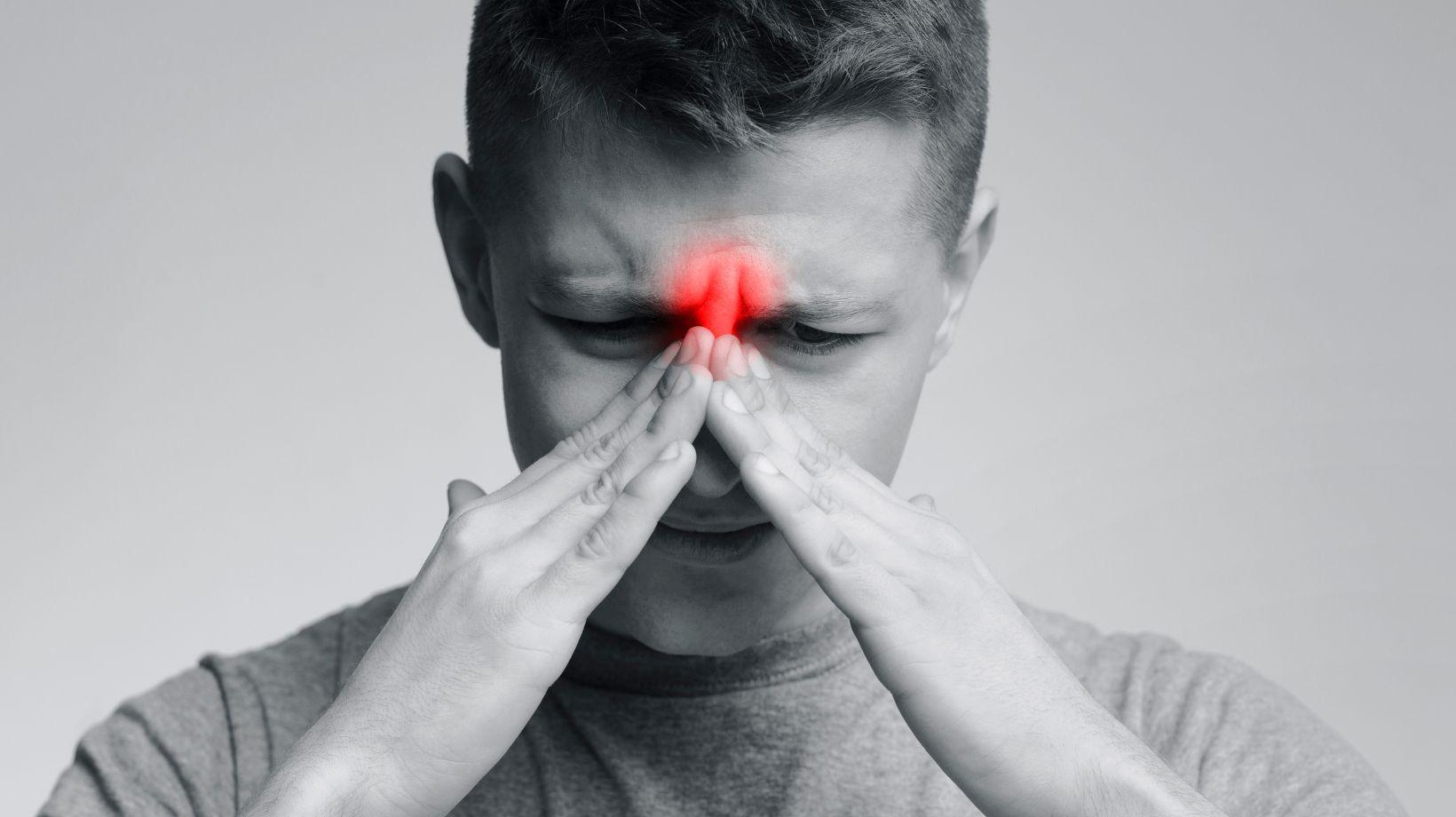

You might be feeling sharp pressure across your cheek or a persistent ache in an upper tooth, and you need to know which one it is so you can get the right help.
If your discomfort comes with nasal congestion, forehead or cheek pressure, and it affects several upper teeth at once, it’s likely sinus-related; if the pain centers on one tooth, worsens with biting or hot/cold, or shows gum swelling, it’s likely a dental problem.
This article will guide you through how anatomy, symptom patterns, and simple self-checks can point you to the correct cause.
Expect clear clues, practical tests you can do at home, and signs that mean you should see a dentist or specialist — such as RGV Oral & Maxillofacial Surgical Center — right away.
Table of Contents
ToggleUnderstanding Sinus Pain
Sinus pain often feels like pressure or dull aching across your face and can be tied to congestion, nasal discharge, or worsening when you change position.
Knowing the typical symptoms, common causes, and how the pain behaves helps you distinguish sinus-related discomfort from a true toothache.
Common Sinus Symptoms
Sinus pain usually comes with nasal signs you can check easily.
You may notice thick yellow or green nasal discharge, reduced sense of smell, and nasal congestion that makes breathing through your nose difficult.
Facial pressure often centers over the cheeks, between the eyes, or along the forehead.
You can experience headaches that worsen when you bend forward or when lying down.
Fever or general fatigue may occur with bacterial sinusitis, while clear mucus and sneezing more commonly indicate allergic causes.
Multiple adjacent upper teeth may feel sore at once rather than a single, sharply localized tooth.
Causes of Sinus Congestion
Inflammation of the sinus lining underlies most sinus congestion.
Viral upper respiratory infections are the most frequent cause and typically last 7–14 days.
Bacterial infection can follow and produce persistent or worsening symptoms beyond 10 days.
Allergic inflammation from pollen, dust mites, or pet dander triggers chronic or seasonal congestion by releasing histamine and increasing mucus.
Structural issues—like a deviated septum or nasal polyps—can block drainage and make you prone to recurrent sinusitis.
Environmental irritants, smoke, and dental procedures that affect sinus anatomy can also contribute.
Patterns of Sinus Discomfort
Sinus pain tends to be diffuse and variable rather than sharp and focal.
You often feel pressure across a region (cheeks, temples, forehead) and notice that the pain increases when you bend over, stoop, or lie flat because fluid shifts and pressure change inside the sinuses.
The pain commonly affects several adjacent upper teeth simultaneously, usually the back molars, and fluctuates with nasal congestion severity.
Movement, posture change, and fever-related symptoms will influence sinus pain, while chewing or biting rarely alters it significantly.
Identifying Dental Pain
You will learn how to recognize signs that the pain comes from a tooth, what commonly triggers tooth-related pain, and how your overall dental health changes the risk and presentation of pain.
Typical Signs of Toothache
Toothache usually feels sharp, localized, and may come on suddenly or worsen over hours.
You often point to a single tooth or a small area; biting down can produce a distinct, shooting pain.
Temperature sensitivity is common: cold or hot foods cause a quick, lingering ache.
Pain that intensifies when you bite or chew suggests a cracked tooth, a loose filling, or an infection pressing on the nerve.
Visible changes — dark spots, holes, swelling around a tooth, or pus — strongly indicate a dental origin.
If pain wakes you at night or doesn’t change with head position, it more likely originates in the tooth rather than the sinuses.
Keep note of how long the pain lasts and what provokes it; that helps your dentist identify the tooth involved.
Triggers for Tooth-Related Pain
Common triggers include dental decay reaching the dentin or pulp, broken restorations, or a cracked tooth exposing nerve tissue.
Infection within the tooth (pulpitis or abscess) creates throbbing pain that may spread into the jaw or face.
Eating hard foods, clenching or grinding (bruxism), and sudden temperature changes often reveal underlying problems by provoking sharp pain.
Recent dental work can also cause temporary sensitivity or, if complications arise, persistent pain.
Trauma to the mouth frequently produces immediate localized pain and later complications if untreated.
If you notice pain linked to specific actions (chewing, temperature, tapping), list those triggers before your dental visit.
That detail speeds diagnosis and guides targeted treatment like fillings, root canal, or repair.
Impact of Dental Health
Your routine dental care directly affects the chance and severity of tooth pain.
Untreated cavities and poor oral hygiene increase the risk of deep decay and infection that cause intense, persistent toothaches.
Gum disease and gum recession expose root surfaces, producing sensitivity that resembles a toothache but often covers multiple teeth.
Restorations that fail — loose crowns or fillings — change how forces distribute during chewing and can produce new, localized pain.
Systemic factors such as diabetes or smoking worsen healing and raise infection risk, making dental pain more likely to become severe.
Bring your dental history, recent antibiotics, and any chronic health conditions to the appointment so your dentist can interpret symptoms in context.
Anatomical Differences
Sinus cavities sit above and behind the upper teeth, and tooth roots extend into the jawbone.
These physical relationships explain why sinus problems often affect several upper back teeth and why true toothaches usually localize to one tooth.
Sinus Locations Versus Tooth Roots
The maxillary sinuses sit within the cheekbones directly above the upper molars and premolars.
In many people the floor of the maxillary sinus comes very close to or even dips between the roots of the upper back teeth.
When sinuses become inflamed or filled with fluid, pressure transmits across that thin bone and can cause a diffuse ache across several adjacent upper teeth.
A dental infection, by contrast, begins at a single tooth’s pulp or surrounding periodontal tissues.
Pain from a single infected tooth usually centers on that tooth, worsens with biting on that tooth, and can be localized by tapping the crown.
Imaging (periapical X-ray or CBCT) shows sinus thickening or fluid when sinusitis is present, and shows periapical radiolucency or bone loss around a specific root in dental infection.
How Nerve Pathways Differ
Sinus sensation arises from branches of the trigeminal nerve—primarily the maxillary (V2) division—which also supplies the upper teeth.
Shared innervation explains overlapping pain signals.
Tooth pain typically follows the tooth’s specific innervation: the superior alveolar nerves carry sensory input from individual teeth back to the dental pulp and trigeminal ganglion.
That allows you or a clinician to pinpoint a single painful tooth.
Sinus pain tends to present as diffuse, pressure-like discomfort influenced by head position and nasal symptoms, because mucosal inflammation stimulates broader V2 branches.
Dental nociceptive pain often registers as sharp, throbbing, or bite-triggered and may not change with posture; it reflects localized pulp or periodontal nerve activation rather than widespread mucosal signaling.
Key Diagnostic Clues
You can often tell whether pain comes from your sinuses or a tooth by testing specific triggers: touch, temperature, movement, and how your mouth care affects the pain.
Look for patterns in where the pain occurs, what makes it change, and how long it lasts.
Sensitivity to Pressure or Temperature
Press on the gum or tooth gently with a clean finger or the tip of a cotton swab.
If a single tooth produces sharp, localized pain when pressed, that points to a dental issue such as a cracked tooth or abscess.
Diffuse tenderness across several upper teeth or pain only when you press over the cheekbones suggests sinus origin.
Test cold and hot sensitivity using a chilled metal spoon or a warm drink.
Immediate, sharp sensitivity limited to one tooth indicates exposed dentin, a failing filling, or pulpitis.
Blunted or dull tooth sensitivity combined with nasal congestion or facial pressure usually fits sinus inflammation rather than an isolated dental problem.
Pain Worsening or Improving with Movement
Change your head position slowly.
If bending forward, lying down, or sudden head movement increases the tooth pain, sinus pressure is likely because fluid shifts in the sinuses amplify nerve irritation.
Note timing: sinus-related pain often fluctuates with position and time of day.
If pain remains constant regardless of head movement and becomes more intense with chewing or biting, suspect a tooth issue.
Also watch for pain that spikes only during biting or when cold touches the tooth; those are classic dental signs rather than positional sinus pain.
Response to Oral Care
Try basic oral hygiene: brush, floss, and rinse with warm salt water.
If pain decreases after rinsing or improved drainage through the nose reduces tooth discomfort, the cause is probably sinus-related.
Sinus congestion relief after decongestants that then lowers tooth pain supports sinus origin.
If pain worsens when you bite, floss near a specific tooth, or apply pressure with your tongue, the source is likely dental.
Persistent tooth pain that doesn’t respond to nasal decongestants or saline rinses, or that increases after sugary or cold foods, warrants prompt dental evaluation and possibly X-rays.
Common Causes of Confusion
You may feel tooth pain, facial pressure, or nasal symptoms that make it hard to tell whether the problem starts in a tooth or in the sinuses.
Key reasons for confusion include shared nerve pathways, close anatomic proximity of upper tooth roots to the maxillary sinuses, and similar pain patterns that change with posture or pressure.
Overlapping Symptoms
Upper back tooth roots often sit directly beneath the maxillary sinuses, so inflammation inside the sinuses can press on the same nerves that serve your teeth.
That creates dull, aching pain in multiple adjacent teeth rather than one isolated tooth.
Sinus-related pain tends to flare with bending forward or when you move your head, and it often accompanies nasal congestion, thick nasal discharge, or loss of smell.
Tooth pain from dental infections or cracked teeth often sharpens with biting, chewing, or exposure to hot and cold.
Use these practical clues: if pressure changes or sinus symptoms dominate, think sinusitis; if pain is localized, worsens with chewing, or you see gum swelling or pus, think dental origin.
Imaging and a clinical exam will confirm the source when symptoms overlap.
Complications of Untreated Conditions
If you ignore a sinus infection, inflammation can persist and lead to chronic sinusitis, prolonged facial pain, and ongoing drainage that continually irritates nearby tooth roots.
Chronic sinus disease can also reduce your sense of smell and cause recurrent antibiotic use with side effects.
Untreated dental infections can progress to a tooth abscess, spread into surrounding bone, or rarely track into the sinus cavity and cause secondary sinusitis.
That bidirectional spread blurs symptoms and can require both root canal or extraction plus sinus treatment.
Acting early is important: a timely dental exam or ENT evaluation prevents escalation, limits need for stronger antibiotics or surgery, and reduces the risk of overlapping disease that complicates diagnosis.
Professional Evaluation Strategies
You need targeted evaluation to determine whether pain comes from a tooth or from sinus disease.
The two paths below explain when to see a dentist first and when an ENT specialist is more appropriate, and what each provider will check and may order.
When to See a Dentist
See a dentist promptly if pain is localized to a specific tooth, worsens with biting, or responds to cold/heat.
Your dentist will perform a focused oral exam, percuss and probe suspected teeth, and test pulp vitality with thermal or electric pulp testing.
Expect dental X-rays (bitewing or periapical) to look for decay, abscess, or root problems.
If signs point to deeper infection, the dentist may order a cone‑beam CT (CBCT) to visualize tooth roots relative to the maxillary sinus.
The dentist can provide immediate interventions: tooth cleaning, temporary fillings, root canal therapy, or extraction when indicated.
They will also advise antibiotics only when there is evidence of spreading infection, and refer you to an ENT if sinus involvement or persistent facial pain remains after dental treatment.
When to Consult an ENT Specialist
Consult an ENT when you have facial pressure, nasal congestion, postnasal drip, fever, or symptoms that vary with head position and do not match a single tooth.
See an ENT quickly if you have recurring sinusitis, blood in nasal discharge, or orbital/facial swelling.
The ENT will perform nasal endoscopy to inspect the sinus openings and mucosa, and may order sinus CT to evaluate sinus opacification, mucosal thickening, or anatomical blockages.
They differentiate maxillary sinusitis from odontogenic causes by correlating imaging with dental findings.
Treatment options from an ENT include medical therapy (targeted antibiotics, nasal corticosteroids, saline irrigations), allergy testing and management, or functional endoscopic sinus surgery if structural issues cause recurrent problems.
The ENT will coordinate with your dentist when sinus disease and dental pathology overlap.
At-Home Relief and Supportive Care
You can reduce sinus pressure and mild tooth pain with targeted home measures that ease swelling, clear congestion, and control pain.
Use specific techniques and over‑the‑counter options while watching for signs that need professional care.
Remedies for Sinus Pressure
Use warm compresses over the cheeks and nose for 10–15 minutes several times daily to loosen mucus and reduce facial pain. Perform saline nasal irrigation (neti pot or squeeze bottle) once or twice daily with sterile or distilled water to flush allergens and mucus; stop if you feel increased pain or ear fullness.
Try steam inhalation—sit with a bowl of hot water and a towel over your head for 5–10 minutes. You can also run a humidifier at 40–50% humidity to keep nasal passages moist.
Take a short course of oral decongestants (pseudoephedrine) unless you have hypertension or other contraindications. Use topical oxymetazoline sprays for no more than 3 days to avoid rebound congestion.
For pain control, use acetaminophen or an NSAID such as ibuprofen at recommended doses. If you have fever, colored nasal discharge lasting more than 10 days, or severe facial swelling, seek medical evaluation for possible antibiotics or specialist care.
Managing Mild Tooth Discomfort
Rinse your mouth with warm saltwater (1/2 teaspoon salt in 8 ounces of water) three times daily to reduce inflammation and dislodge debris. Gently floss around the sore tooth to remove trapped food that can worsen pain; avoid aggressive scrubbing that irritates the gum.
Apply a cold pack to the cheek for 10–15 minutes to numb throbbing pain and reduce swelling. Use topical oral analgesics containing benzocaine sparingly and only if you have no allergies; follow package directions closely.
Take OTC pain relievers—ibuprofen or acetaminophen—at label doses to control moderate pain. If pain is sharp, persistent, worsens at night, or you notice pus, fever, or a loose tooth, make a dental appointment promptly; these signs often indicate an infection that requires professional treatment.
Prevention and Long-Term Management
Oral Hygiene Habits
Brush twice daily with a fluoride toothpaste and a soft-bristled brush, using gentle circular motions for two minutes each session. Floss once a day to remove interdental plaque that can lead to decay and abscesses which produce localized, persistent tooth pain.
Schedule dental checkups every six months or sooner if you notice sensitivity, swelling, or a change in bite. Ask your dentist about topical fluoride or dental sealants if you have recurrent cavities, and get timely fillings to prevent infections that can mimic sinus pain.
If you grind or clench your teeth, use a custom nightguard to reduce wear and prevent referred jaw or tooth pain. Maintain hydration and avoid frequent sugary snacks to limit acid attacks on enamel.
Sinus Health Practices
Manage allergies with targeted measures: identify triggers, use second‑generation antihistamines, or consider nasal steroid sprays as directed to reduce mucosal swelling and sinus pressure. Consult an allergist if symptoms recur every season.
Use saline nasal irrigation (neti pot or squeeze bottle) once daily during colds or allergy flares to clear mucus and reduce sinus congestion. Keep indoor humidity between 40–50% to prevent mucosal drying and crusting that worsen obstruction.
Treat acute viral or bacterial sinusitis promptly. Follow prescribed antibiotics only when bacterial infection is confirmed.
If you experience chronic sinus symptoms despite conservative care, pursue an ENT evaluation for imaging and possible procedures to restore drainage.
When Symptoms Indicate Urgency
If you have a sudden, severe tooth pain that worsens quickly or prevents you from sleeping or eating, seek dental care promptly.
Intense, throbbing pain that radiates into your jaw, ear, or neck can signal an abscess or rapidly spreading infection.
Look for systemic warning signs like fever, swelling of the face or neck, or difficulty breathing or swallowing.
These symptoms suggest the infection may be spreading and require immediate medical or emergency dental attention.
If you notice pus, a persistent bad taste in your mouth, or a loose tooth after injury, contact your dentist right away.
Trauma to the face or teeth with visible damage also warrants urgent evaluation to prevent complications.
Use this quick checklist to decide whether to act now:
- Call emergency services or go to the ER: trouble breathing/swallowing, high fever, rapidly spreading facial swelling.
- Contact your dentist the same day: severe localized pain, signs of an abscess (pus, foul taste), dental trauma.
- See your primary care provider: persistent sinus symptoms with high fever or worsening after 7–10 days despite home care.