
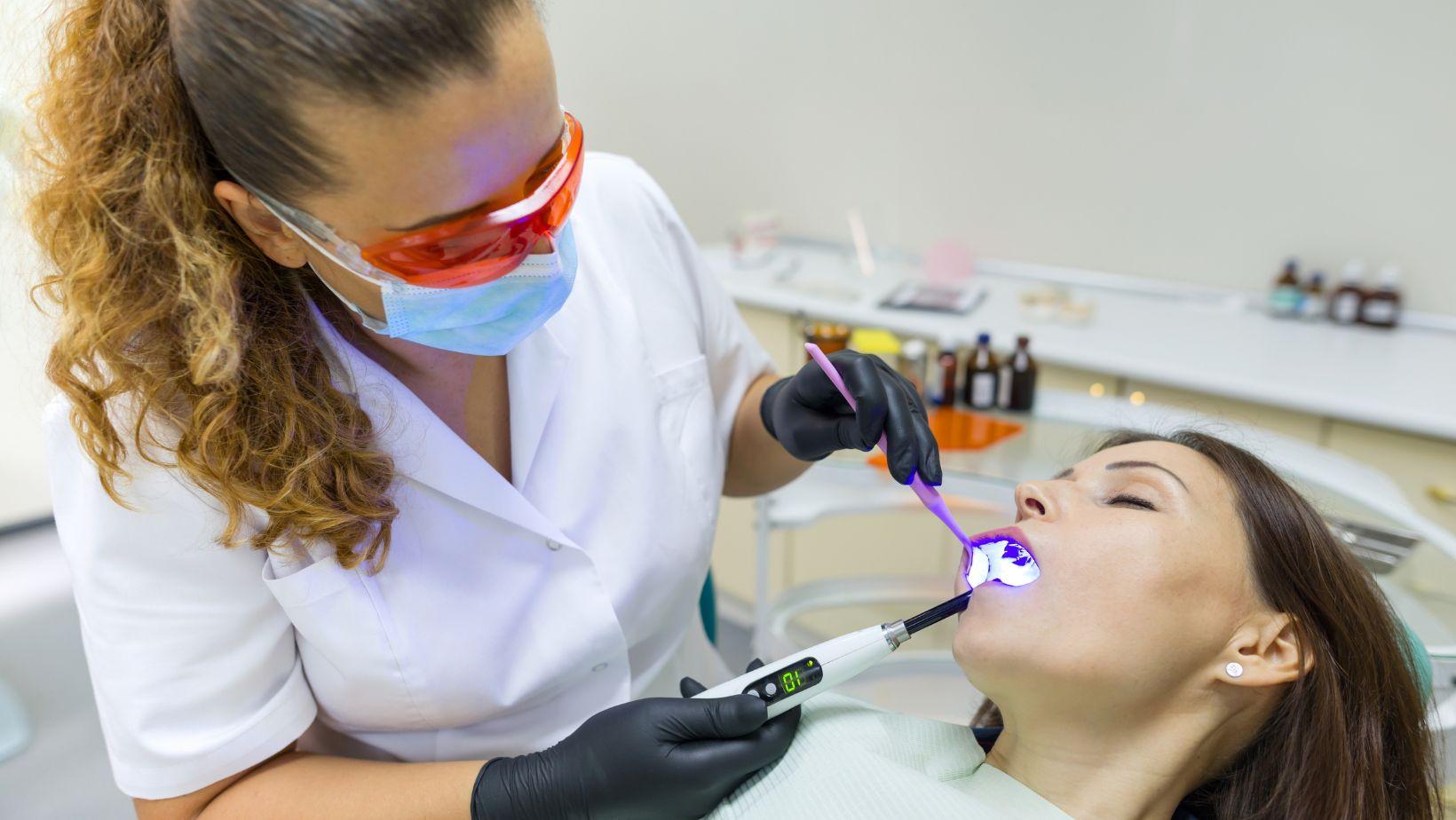

Dental visits can feel overwhelming. Sedation dentistry for dental anxiety gives you real ways to stay calm and actually finish the care you need.
Sedation options—from nitrous oxide and oral pills to IV sedation and, when necessary, general anesthesia—let you control your relaxation level so procedures become manageable and less stressful.
You'll get a sense of what causes dental anxiety, how each sedation method works, the comfort and efficiency benefits, and how to pick the safest option for your health and the procedure.
This guide helps you weigh risks, prepare for treatment, and talk with your dental team so you can get the care you need without unnecessary fear.
Table of Contents
ToggleUnderstanding Dental Anxiety
You might feel tense before a dental visit for plenty of reasons, and that tension really does affect both your mind and body.
Let’s look at common triggers, how fear changes oral care habits, and signs to watch for in yourself.
Common Causes of Nervousness at the Dentist
Past painful or uncomfortable dental experiences often trigger anxiety. If you had a rough tooth extraction, a long root canal, or poor local anesthesia before, your body can start associating the dentist with pain.
Fear of losing control is another big one. Reclining in the chair and not being able to talk or move much can make anyone feel vulnerable.
Other triggers? A sensitive gag reflex, embarrassment about your teeth, and even the smells and sounds—drills, suction, antiseptics. Medical worries like anesthesia reactions, heart conditions, or breathing problems can add to the stress.
If you live with generalized anxiety or have a trauma history, dental fear can feel even bigger and harder to shake.
Impact of Fear on Oral Health
Avoiding the dentist lets small problems grow fast. A minor cavity can turn into a deep infection needing a root canal or extraction if you wait too long.
Skipping appointments also means missing out on cleanings, X-rays, and early gum disease checks, which ups your risk of losing teeth.
Anxiety can mess with your home care too. You might brush or floss less because of guilt, shame, or just feeling unmotivated.
That leads to more plaque, gingivitis, and bad breath—and honestly, it can feed a cycle of embarrassment and more avoidance.
Signs and Symptoms of Dental Anxiety
Physical signs can hit before you even step inside: fast heartbeat, sweaty palms, upset stomach, feeling lightheaded, or shaky hands.
You might notice shallow breathing or even panic attacks during appointments.
Behavioral signs show up too. Canceling or rescheduling a lot, showing up late, or pushing for the bare minimum treatment even when you need more.
Emotionally, you might get stuck on negative thoughts about procedures, worry for days before an appointment, or find it hard to focus in the chair.
If you spot these signs in yourself, it’s worth talking to your dental team about sedation or other ways to manage anxiety.
Methods of Sedation Used in Dentistry
There are three common sedation approaches that help reduce anxiety and control pain during dental treatment.
Each method has its own timing, depth, monitoring needs, and recovery.
Nitrous Oxide (Laughing Gas)
Nitrous oxide brings fast anxiety relief through a small mask that mixes it with oxygen. You breathe it in during the procedure, and it kicks in within minutes.
Once the mask comes off, the effects fade quickly.
You’ll stay awake and able to respond, but you’ll feel less anxious and uncomfortable. The clinician can adjust the dose easily, so it’s great for short procedures, routine fillings, and mild-to-moderate anxiety.
Side effects are rare, but you might feel a bit lightheaded, tingly, or slightly nauseous.
Since recovery is quick, you can usually drive yourself home. It’s not ideal if you’ve got severe claustrophobia, certain respiratory infections, or specific vitamin B12 issues.
Oral Sedation Medications
Oral sedation means taking a pill—often a benzodiazepine (like diazepam or lorazepam) or a low-dose hypnotic—before your visit.
You’ll feel calmer and maybe drowsy, and lots of people remember little or nothing about the appointment.
It can take 30 minutes to an hour to kick in, and the effects can last several hours. You’ll need someone to drive you home.
Dosing depends on your size, age, other meds, and health conditions to avoid going too deep or slowing your breathing too much.
Common side effects? Drowsiness that lingers, dizziness, and slower coordination.
Skip alcohol and certain prescriptions before and after. Your dentist or doctor will go over your health, your meds, and any fasting rules before prescribing.
IV Sedation Techniques
IV sedation delivers the medication straight into your bloodstream for fast, predictable results.
You can go from moderate (still conscious) to deep sedation where you’re barely responsive.
This is best for longer, complicated procedures or if you have serious dental anxiety.
Clinicians can adjust the dose in real time and mix agents (like benzodiazepines, propofol, or opioids) for smooth sedation and memory loss of the procedure.
Because IV sedation can affect your breathing and heart, they’ll monitor your oxygen, heart rate, and blood pressure the whole time.
You’ll need to recover at the office and have someone take you home. Be ready to talk through your health history, airway issues, and current meds to keep things safe.
Advantages of Sedative Approaches
Sedation in dentistry can lower anxiety, control pain, and help your dental team work more efficiently and safely.
Here’s how different sedation methods make treatment more tolerable, allow clinicians to finish complex work, and help you stick to your plan.
Enhancing Patient Comfort
Sedation lowers anxiety and pain during procedures, so even long or invasive treatments don’t feel so bad.
Nitrous oxide kicks in fast and wears off quickly, so you’re relaxed but alert. Oral sedatives go deeper for moderate anxiety. IV sedation is adjustable for high anxiety or sensitive patients.
Sedation also calms your gag reflex and relaxes your muscles, so you stay still and comfortable.
Your clinician will pick what fits your medical history, the procedure’s length, and your anxiety level.
Facilitating Complex Dental Procedures
With sedation, your dental team can tackle multi-step or invasive procedures with fewer stops and starts.
You’re less likely to move suddenly, which is crucial for precise work like implants, multiple extractions, or full-mouth restorations.
IV sedation and higher-dose oral sedation let you stay calm for longer, so dentists can work continuously.
That stability makes surgery more accurate and lowers the risk from unexpected movement.
Improving Treatment Compliance
Sedation helps you accept care you might otherwise avoid because of fear.
If you’ve skipped appointments in the past due to anxiety, sedation makes it more likely you’ll finish essential treatments.
Lowering the emotional barrier means you’ll probably keep up with follow-ups and maintenance, which is huge for long-term oral health.
Reducing Treatment Time
With sedation, dentists can get more done in a single visit than they could if you’re anxious or fidgety.
You might be able to combine several fillings, crowns, or extractions into one appointment.
This means fewer cancellations and less need to re-numb you during long treatments.
You save time and trips to the dentist, and honestly, who doesn’t want that?
Choosing the Most Appropriate Sedation Option
You need to match the sedation to your procedure, medical history, and how you react to meds.
Safety, how alert you need to be, recovery time, and cost usually guide the decision.
Factors to Consider in Selection
Look at the procedure type and length first. Short, routine work often just needs nitrous oxide or a mild oral sedative. Longer surgeries might call for IV sedation or general anesthesia.
Go over your medical history and current meds. Heart, lung, liver, or sleep apnea issues can rule out some drugs or mean you’ll need a doctor’s OK.
Think about your anxiety level and how you’ve responded to sedatives before. If pills didn’t help much, IV sedation might be better.
Plan for recovery. Nitrous oxide wears off fast, so you can drive, but oral or IV sedation means you’ll need a ride and post-op downtime.
Cost and availability matter too. Not every office offers IV or general anesthesia, so double-check credentials and equipment before you book.
Consulting with Dental Professionals
Bring along your full medical list and any recent health records when you show up for your consultation. Don’t leave out past reactions to anesthesia, current prescriptions, supplements, or even alcohol and drug use.
Ask direct questions. Which sedation agent will they use? Who’s actually administering it? What kind of monitoring devices do they use, and what’s the emergency plan if things go sideways?
Find out about pre-visit instructions and what you’ll need to do after the appointment. Will you need to fast? Do you have to bring a driver? How long will recovery really take?
Ask for written consent that spells out the risks, benefits, and alternatives. Open, honest communication helps you make a choice that fits your health needs and the dental work you’re planning.