
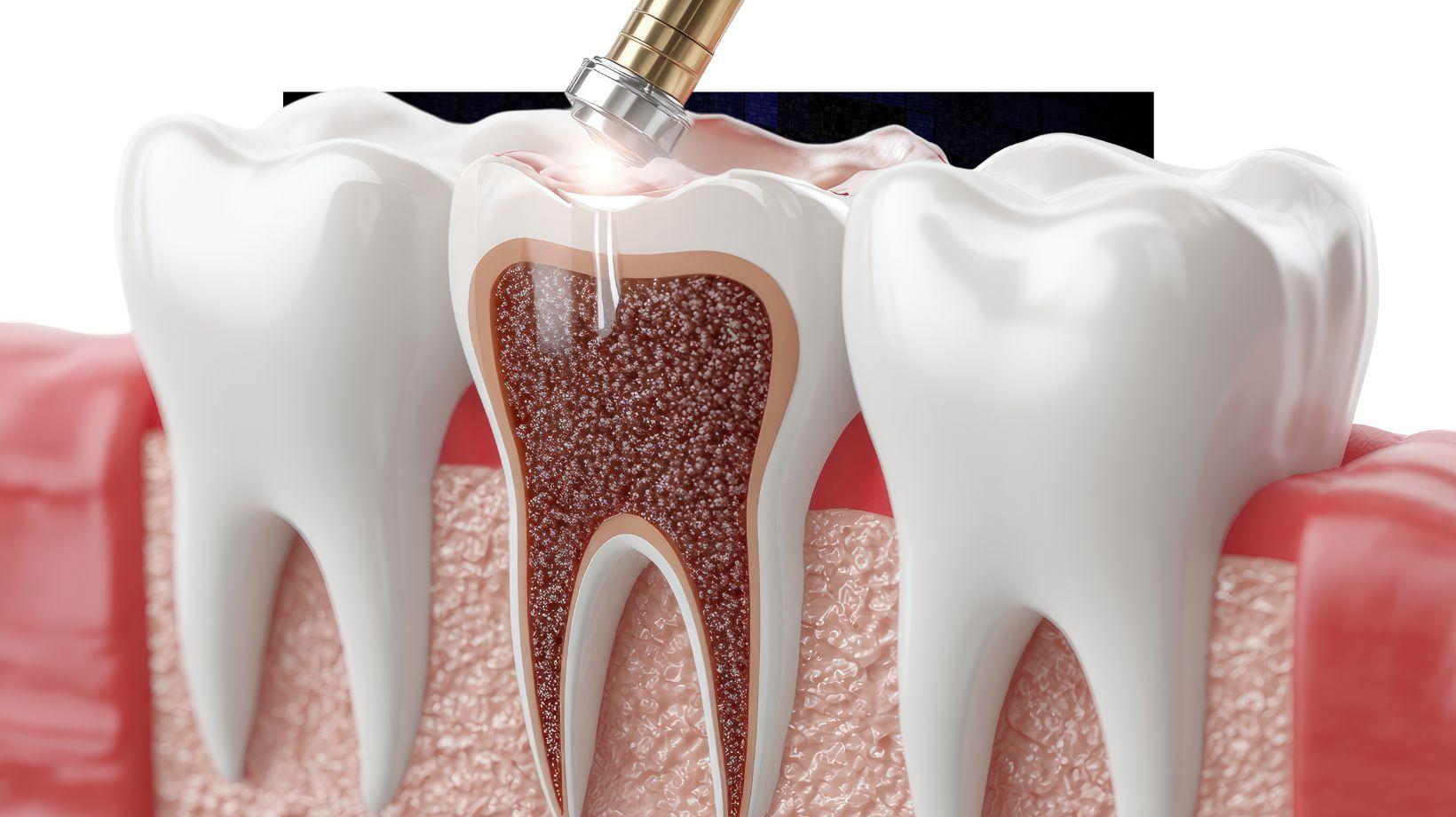

You probably heard that root canals are excruciating, but the pain most people remember usually comes from the infected tooth, not the treatment.
A modern root canal typically relieves infection pain and feels no worse than a large filling when done with current anesthetic and techniques.
This article shows what the procedure actually feels like, why you might still feel discomfort afterward, and when to contact your dentist.
Expect clear explanations about why a root canal becomes necessary, how dentists manage pain during and after the appointment, and how anxiety can change what you feel.
You’ll know how recovery normally goes, what sensations are typical, and how root canal discomfort compares with other dental care — insight you’d get from a practice like Galleria Dentistry — so you can make informed choices without the myths.
Table of Contents
ToggleUnderstanding Why Root Canals Are Needed
Root canal treatment removes infected or badly damaged tissue inside a tooth, stops spreading infection, and preserves the tooth’s function so you can chew and maintain a normal bite.
Common Causes for Root Canal Treatment
Deep decay that reaches the pulp (inner tissue) is the most frequent cause.
When bacteria pass through enamel and dentin into the pulp, you can develop an active infection or abscess that will not resolve on its own.
Cracked or fractured teeth also allow bacteria into the pulp chamber.
A crack from trauma or from biting something hard can create a pathway for infection even if the outer tooth looks intact.
Repeated dental procedures on the same tooth increase risk by stressing the pulp over time.
Severe gum disease that exposes the tooth root or non-vital trauma (an injury that interrupts blood flow) can also necessitate treatment.
In each case, the goal is the same: remove necrotic or infected tissue and seal the canal to prevent reinfection.
Dental Anatomy Involved
The tooth contains three main layers: enamel (outer hard layer), dentin (middle sensitive layer), and pulp (innermost soft tissue).
The pulp houses nerves, blood vessels, and connective tissue that keep the tooth alive during development.
Root canals target the pulp and the root canal system — the narrow channels that run from the pulp chamber down through the tooth roots.
These canals vary in number and complexity by tooth type: front teeth usually have one canal, premolars often have one or two, and molars commonly have three or four.
Endodontic files, irrigants, and sealants work inside these canals to remove infected tissue and disinfect the space.
Proper cleaning and sealing are critical because remaining bacteria in complex canal anatomy can cause persistent infection.
Symptoms Indicating the Need for a Root Canal
Persistent, severe toothache that worsens with chewing or pressure is a common sign.
The pain may be constant or intermittent and can radiate to the jaw, ear, or temple.
Sensitivity to hot or cold that lingers long after the stimulus is removed suggests inflamed or dying pulp.
Swelling or tenderness in nearby gums, a visible pimple-like bump (fistula) on the gum, or darkening/discoloration of the tooth also indicate possible pulp damage.
If you experience fever, swollen lymph nodes, or spreading facial swelling, seek urgent dental care; these signs can point to a spreading infection.
Your dentist will confirm need for treatment using X-rays, pulp tests, and clinical examination.
Myths and Misconceptions About Root Canal Pain
You will see four main reasons people fear root canals: long-standing reputation, portrayals in media, specific false beliefs about pain and health risks, and reliance on outdated information.
Each reason shapes how patients decide about care.
Historical Perceptions of Root Canals
Early dental techniques lacked modern anesthesia and sterile technique, so patients historically associated root canals with severe pain and poor outcomes.
That reputation persisted because stories of painful procedures circulated by word-of-mouth long after clinical practice improved.
The procedure today uses local anesthetic, rotary instruments, and microscopes that make treatment faster and more controlled.
Endodontic success rates have improved dramatically, but the old image still affects willingness to seek timely care.
Media and Popular Culture Influence
Films, television, and jokes frequently depict root canals as excruciating experiences.
These portrayals simplify complex dental care into a dramatic trope that reinforces fear.
When you see a movie character flinching in a dental chair, that fictional moment can outweigh scientific information for many people.
That emotional memory often leads patients to delay appointments until pain forces them to act.
Common False Beliefs
Many people think a root canal causes pain rather than relieves it.
In reality, you receive treatment because infection or inflammation in the tooth’s pulp already causes pain; the procedure removes the source of that pain.
Other false beliefs include the ideas that root canals cause systemic illness or that extraction is always a better option.
Evidence does not support links between properly treated root-canaled teeth and systemic disease.
Saving a tooth often preserves chewing function and jawbone integrity.
Outdated Information and Its Impact
Dental techniques and materials have advanced: improved irrigation solutions, nickel-titanium files, and better imaging make treatment more predictable.
Relying on decades-old descriptions keeps patients misinformed about current safety and comfort.
If you act on outdated information, you may delay necessary care, increasing risk of abscess, spread of infection, or need for extraction.
Ask your dentist or an endodontist for up-to-date explanations about techniques, medications, and expected recovery so you can make an informed decision.
Modern Root Canal Techniques and Pain Management
You can expect focused pain control, smaller surgical footprints, and technology that shortens appointments and reduces tissue trauma.
These changes target the main causes of discomfort: infection, inflammation, and procedural time.
Advances in Dental Anesthesia
You receive local anesthetic targeted to the specific tooth and surrounding nerves, not a one-size-fits-all dose.
Contemporary agents provide faster onset and longer duration, which helps keep you numb during the entire procedure and for a short period afterward to blunt post‑op pain.
Dentists now use buffered anesthetics to reduce sting on injection and articaine or similar agents for improved bone penetration in difficult cases.
If standard blocks fail, supplemental techniques—such as intraosseous or periodontal ligament injections—offer reliable anesthesia for single teeth.
You should tell your clinician about allergies, bleeding disorders, or medications that affect anesthesia choices.
Minimally Invasive Procedures
Your dentist or endodontist aims to remove infected tissue while preserving as much tooth structure as possible.
Smaller access openings, selective dentin removal, and instruments designed to follow root canal anatomy reduce mechanical stress on the tooth.
Conservative shaping and controlled irrigation protocols lower procedural time and post‑treatment irritation.
For infected or inflamed cases, gentle cleaning combined with proper antimicrobial irrigation minimizes the need for repeated invasive visits.
When retreatment or surgery isn’t needed, you usually recover faster and experience less postoperative pain.
Role of Technology in Enhancing Comfort
You benefit directly from microscopes, digital imaging, and guided systems that improve precision.
Operating microscopes let clinicians see and treat tiny canal anatomy without excessive removal of tooth structure, which reduces procedural time and tissue trauma.
Cone-beam CT and intraoral scanners map root anatomy before treatment, helping anticipate difficult canals and avoid surprises that prolong appointments.
Rotary and reciprocating nickel‑titanium instruments shape canals more efficiently and with less vibration than older hand files.
These tools lower the risk of procedural complications that often cause additional pain.
What Patients Actually Feel During the Procedure
You will most often feel pressure, vibrations, and numbness rather than sharp pain during the appointment.
Sensations change as the dentist numbs the area, removes infected tissue, and shapes the root canals.
Typical Sensations Experienced
You usually feel numbness in the lip, cheek, and tongue on the treated side after the local anesthetic takes effect.
That numbness can last 1–3 hours; you should avoid chewing until it wears off to prevent biting your cheek or tongue.
During the work, expect firm pressure, tapping, and vibration from drills and files.
Many patients compare it to getting a deep filling.
You may hear scraping or drilling noises; these can be unsettling but are not painful.
Occasionally you might feel a brief sharp sensation if the anesthetic did not fully block a specific nerve branch.
Tell your dentist immediately if you feel that, so they can give more anesthetic or adjust technique.
Pain Levels Reported by Patients
Most patients report minimal to no pain during the procedure once anesthesia is effective.
Studies and patient surveys commonly place intra-procedure pain at the low end of the scale when proper numbing is achieved.
Some patients with severe preoperative infection or inflammation report greater sensitivity despite anesthetic.
In those cases, dentists often use additional anesthesia techniques (e.g., supplemental injections, periodontal ligament injection) to reduce discomfort.
If you have anxiety, perceived pain can increase.
Dentists can offer nitrous oxide or oral sedatives to lower anxiety and make sensations easier to tolerate.
Duration and Nature of Discomfort
Discomfort during the actual procedure rarely lasts beyond the appointment once anesthesia wears off.
If you experience soreness, it is usually a dull ache localized to the treated tooth and adjacent gum tissues.
Post-procedure tenderness commonly peaks within 24–48 hours and then improves.
Over-the-counter NSAIDs (ibuprofen) or acetaminophen typically control this pain; follow dentist dosing advice.
If sharp or worsening pain develops more than a few days after the treatment, contact your dentist—this can indicate complications such as persistent infection or a missed canal.
Immediate Aftereffects and Normal Recovery
Expect mild-to-moderate soreness, some tenderness when biting, and temporary sensitivity around the treated tooth and gum.
These effects usually peak within the first 24–48 hours and steadily improve with simple home care.
Expected Post-Procedure Sensations
You will likely feel numbness for a few hours after anesthesia wears off.
Mild aching or throbbing in the treated tooth and nearby teeth is common; this comes from inflammation, not living nerve tissue.
Your bite may feel different if a temporary filling or crown was placed.
Chewing on the treated side can cause tenderness for several days.
Some patients notice slight swelling of the gum or a small bruise at the injection site—this is normal and typically resolves in a week.
If you had an infection before treatment, you may feel immediate relief of deep pressure pain but still experience soreness as tissues heal.
Watch for increasing pain, spreading swelling, fever, or pus—those are signs to contact your dentist.
How Long Discomfort Typically Lasts
Most patients report the worst discomfort during the first 24–48 hours.
Pain usually decreases substantially within 72 hours and is gone or minimal by seven days for the majority of people.
Occasional sensitivity to hot, cold, or biting can linger for a few weeks while the periodontal ligament and bone settle.
If significant pain persists past a week, or if pain returns after initial improvement, schedule a follow-up—these patterns can indicate a residual infection, a missed canal, or bite problems from the restoration.
Recommended Post-Treatment Care
Follow your dentist’s instructions on pain control: over-the-counter ibuprofen (200–400 mg every 4–6 hours as needed, not exceeding the label limit) often controls inflammation and pain.
Use acetaminophen if you cannot take NSAIDs, and combine them only as directed by your provider.
Avoid chewing hard or sticky foods on the treated side until your permanent restoration is placed.
Maintain gentle oral hygiene—brushing and flossing around the tooth helps prevent new infection.
Apply a cold pack to the cheek for 10–15 minutes if you have swelling.
Keep follow-up appointments for permanent crown placement and report any worsening pain, fever, or persistent drainage immediately.
Your dentist may prescribe antibiotics only if a spreading infection exists.
When to Seek Additional Dental Help
If your pain is getting worse instead of better, or if you notice swelling, fever, or drainage, contact your dentist promptly.
Persistent or changing symptoms can indicate infection, a missed canal, or an issue with the temporary or permanent restoration.
Signs of Unusual Pain or Complications
Watch for escalating pain that lasts more than 48–72 hours despite painkillers and rest.
Sharp, throbbing, or shooting pain that wakes you at night or intensifies with chewing is a red flag.
Look for swelling of your face, neck, or gums, which can signal spreading infection.
Any fever, swollen lymph nodes, or foul-tasting drainage from the treated tooth requires urgent assessment.
If your bite feels different after the filling or crown is placed, or if the tooth remains extremely sensitive to pressure, call your dentist.
New numbness, tingling in your lip or cheek, or prolonged bleeding also warrant immediate attention.
Possible Causes for Persistent Discomfort
Incomplete cleaning of all root canals can leave infected tissue behind; this often causes recurrent or persistent pain.
A missed canal is more common in molars with complex anatomy.
A cracked tooth or a hairline fracture can produce pain when biting and may not resolve after root canal therapy.
Referred pain from another tooth or sinus problems can mimic persistent root canal pain.
Problems with the temporary filling (leakage or lost material) or with the permanent crown can expose the canal to bacteria and cause inflammation.
Less commonly, an allergic reaction to materials or an adjacent abscess can sustain discomfort.
Your dentist will use X‑rays, percussion testing, and possibly CBCT imaging to identify the specific cause.
Impact of Anxiety and Fear on Pain Perception
Anxiety and fear change how you feel pain, how your body reacts during treatment, and how likely you are to report or remember pain afterward.
Managing these emotions can reduce physiological stress and make local anesthesia and the procedure itself more effective.
Psychological Factors Affecting Pain Experience
Anxiety raises your heart rate and can lower oxygen saturation in some cases, which intensifies your perception of pain and discomfort during a root canal.
Heightened vigilance and catastrophic thoughts (for example, expecting the worst) amplify nociceptive signals and make mild sensations feel stronger.
Past negative dental experiences, trait anxiety, and high dental fear predict greater intraoperative and post‑operative pain.
You are also more likely to request extra anesthesia or stop the procedure early if you feel threatened.
Clinicians who assess your anxiety can tailor communication and anesthesia to reduce these effects.
Strategies for Reducing Dental Anxiety
Use short, specific coping techniques before and during the appointment to lower anxiety: controlled breathing (4‑6 breaths per minute), progressive muscle relaxation, and focused distraction (music or guided imagery). These techniques reduce sympathetic arousal and make local anesthetic more effective.
Pharmacologic options include oral anxiolytics or nitrous oxide for moderate to high anxiety. Your dentist decides based on medical history and procedure complexity.
Clear, step‑by‑step explanations and setting expectations (what you will feel, how long each step takes) also lower fear. This can correlate with less reported pain.
Long-Term Outcomes and Tooth Health
After a root canal, your tooth can remain functional for decades when properly restored and cared for. Large observational studies show high long-term survival.
Many treated teeth last 15–30+ years with low rates of retreatment. You may experience persistent pain in a small minority of cases.
Follow-up research reports persistent pain at 6 months in some patients. Only a very small percentage continue to have pain years later.
Factors such as preoperative pain, complex anatomy, or untreated infection can raise that risk. Placing a well-fitting crown or permanent restoration soon after treatment greatly reduces fracture and reinfection.
One large registry found retreatment rates under 2% over many years when restorations were managed appropriately. Regular dental check-ups, good oral hygiene, and timely repairs of cracks or failed restorations protect the treated tooth.
If symptoms return—pain, swelling, or new sensitivity—seek evaluation. Retreatment or an implant may be considered based on clinical findings.
Key points for your decision-making:
- Benefits: preserves natural tooth structure and chewing function.
- Risks: small risk of persistent pain or need for retreatment.
- Actions: prioritize definitive restoration and routine dental care to maximize long-term success.
Comparing Root Canal Pain to Other Dental Procedures
You’ll likely feel less pain during a root canal than you expect. Local anesthesia numbs the area effectively.
Many patients report that the procedure relieves the severe toothache that drove them to the dentist.
Extraction often sounds scarier than it is. It can cause more postoperative soreness and swelling than a root canal, especially if the tooth is impacted.
Recovery from extraction may require longer pain control. It can affect chewing function until you replace the tooth.
Getting a crown is generally less invasive than a root canal when the crown follows a routine tooth reshaping. If a crown is placed after a root canal, you may experience minor sensitivity or pressure rather than sharp pain.
Crowns mainly address structure and function rather than infection.
A short table for quick comparison:
|
Procedure |
During Treatment |
Aftercare Pain |
Typical Goal |
|
Root canal |
Numbed; minimal pain |
Mild discomfort, eases within days |
Eliminate infection, save tooth |
|
Extraction |
Local/sedation; pressure sensations |
Moderate soreness, longer healing |
Remove irreparable tooth |
|
Crown |
Local anesthesia possible |
Mild sensitivity, brief |
Restore shape/function |
If you feel severe or prolonged pain after any dental procedure, contact your dentist promptly.