
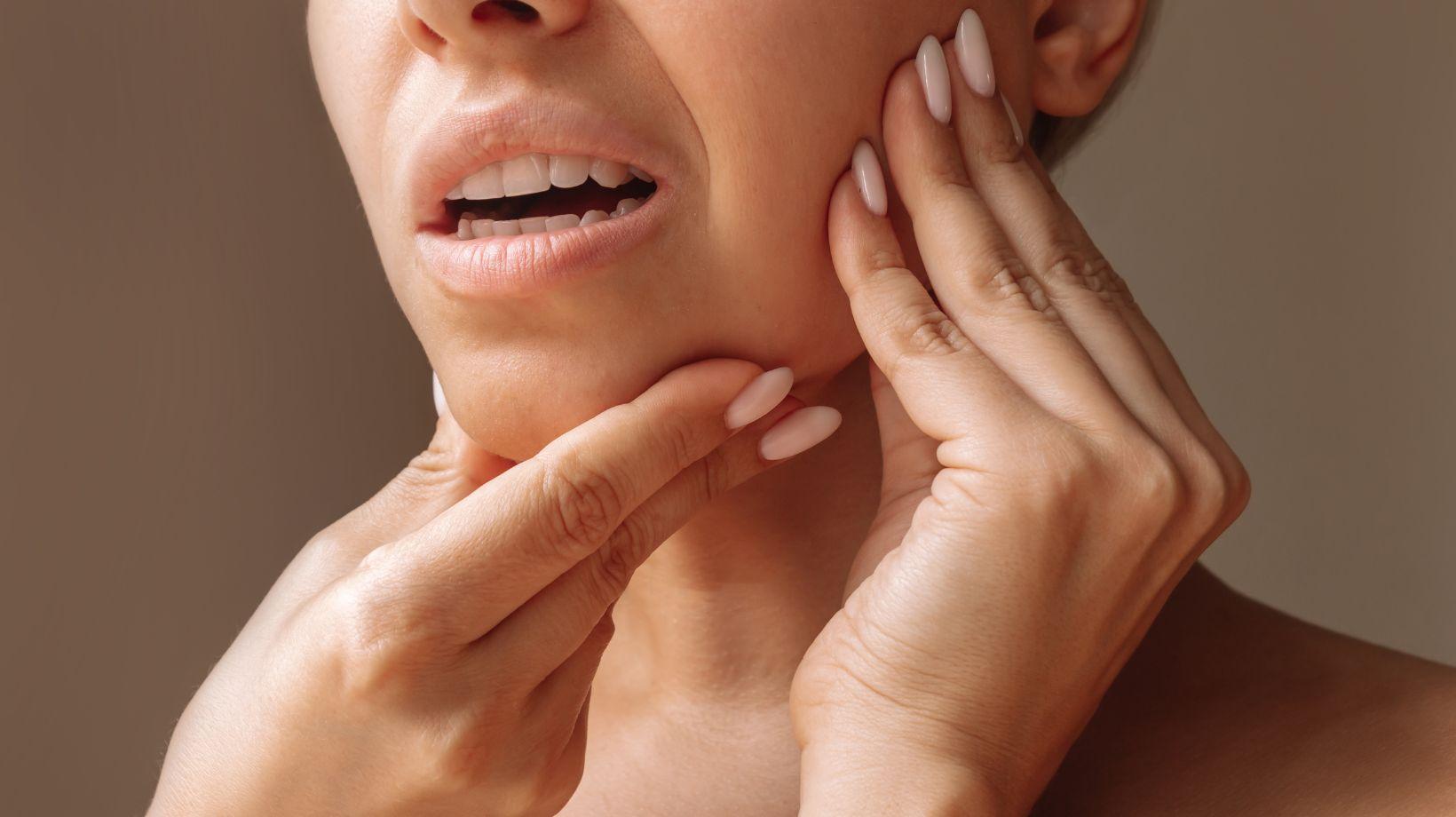

Jaw soreness after a filling, crown, or extraction often comes from keeping your mouth open too long, a strained jaw muscle, or temporary bite changes. Most of this improves within a few days with simple self-care.
If your pain is severe, grows worse, limits swallowing or breathing, or persists beyond a week, contact your dentist promptly because that suggests a complication rather than normal recovery.
You’ll learn what typical post-procedure discomfort feels like and how to tell it apart from signs of infection, a high bite, or TMJ strain. The next sections explain warning signs to watch for, when to call a dentist like Laurel Dentist, and steps you can take before and during procedures to reduce the chance of future jaw problems.
Table of Contents
ToggleCommon Causes of Post-Procedure Jaw Discomfort
You may feel jaw discomfort after dental work because of muscle fatigue, local anesthesia effects, or mechanical strain on the temporomandibular joint. Each cause has a distinct timeline and signs to help you decide whether to treat at home or contact your dentist.
Muscle Soreness from Dental Procedures
Holding your mouth open for long periods tires the masseter and temporalis muscles. You’ll notice aching, stiffness, or a hard-to-open jaw that usually peaks within 24–48 hours.
Treatments you can try at home:
- Short, frequent rest breaks for the jaw (close the mouth gently and relax).
- Warm compresses for 10–15 minutes to improve blood flow and reduce stiffness.
- Over-the-counter analgesics like ibuprofen if you have no contraindications.
If pain is severe, radiates to the ear, or limits opening beyond a few days, contact your dentist. Persistent muscle spasm may need targeted therapy or a TMJ evaluation.
Effects of Local Anesthesia
Local anesthetic can numb tissues beyond the tooth area and cause temporary altered sensation or muscle control. You might feel a tingling, numb lip/cheek, or awkward jaw movement for several hours after the appointment.
Key points to watch:
- Numbness duration: Normal for 1–6 hours depending on the anesthetic used.
- Bite risk: Avoid chewing until numbness resolves to prevent biting your cheek or tongue.
- Persistent numbness or weakness beyond 24–48 hours warrants urgent follow-up, as it may indicate nerve irritation.
Document the time numbness began and any change in sensation to report to your provider if it does not resolve as expected.
Jaw Joint Strain During Treatment
Direct mechanical stress can strain the temporomandibular joint (TMJ). Procedures that require wide opening, forceful retraction, or prolonged mouth prop use increase risk of joint pain, clicking, or temporary locking.
Typical signs of TMJ strain:
- Clicking or popping with movement.
- Limited mouth opening (trismus) or sudden catching/locking.
- Localized pain in front of the ear or along the jawline.
Initial measures include soft diet, jaw rest, and NSAIDs if suitable. If you experience progressive locking, worsening pain after 1–2 weeks, or new neurological symptoms, schedule an evaluation for possible TMJ therapy, splinting, or referral to a specialist.
Warning Signs of a Serious Problem
If your jaw pain gets worse instead of improving, limits how wide you can open or close your mouth, or is accompanied by visible swelling or redness, you should seek dental or medical care. These signs can indicate infection, joint injury, or other complications that usually need professional treatment.
Persistent or Increasing Pain
Pain that lingers beyond 48–72 hours after routine dental work or grows stronger instead of easing is abnormal. Intense, throbbing, or radiating pain—especially if it wakes you at night or requires escalating doses of pain medicine—suggests an infection, dry socket after an extraction, or nerve irritation.
Track timing and severity. Note whether pain started immediately after the procedure or began days later, whether it’s sharp or dull, and any triggers (chewing, temperature).
If over-the-counter analgesics and home care (ice, rest) fail to control pain, contact your dentist the same day. Also watch for new symptoms tied to the pain: fever, foul taste or smell, pus, or numbness in the lip/chin.
Those findings raise the likelihood of a spreading infection or nerve involvement and usually require prompt evaluation and treatment.
Difficulty Opening or Closing the Mouth
Reduced mouth opening (trismus) or an inability to fully close the jaw after dental work is a red flag. Mild stiffness from keeping your mouth open during a procedure is common, but severe limitation that prevents eating, speaking, or oral hygiene demands urgent attention.
Causes include muscle spasm, TMJ injury, swelling around the joint, or infection in deep facial spaces. If you notice increasing tightness over days, progressive locking, or asymmetric movement when opening, contact your dentist or oral surgeon.
Begin gentle stretching as advised by your provider, but avoid forcing the jaw. If you develop difficulty swallowing, breathing, or your saliva flow decreases, seek emergency care immediately.
Swelling and Redness in the Jaw Area
Localized swelling and redness near the treated tooth or along the jawline that appears or worsens after dental work often signals infection or an inflammatory complication. Rapidly increasing swelling, spreading warmth, or visible pus require same-day evaluation.
Inspect the area: is swelling limited to the gum and socket, or does it extend to the cheek, under the jaw, or cause facial asymmetry? Painful, tender lymph nodes, fever, or difficulty opening the mouth alongside swelling indicate a higher risk of deep infection.
Do not apply heat if you suspect spreading infection without provider advice. Prompt drainage, antibiotics, or surgical intervention may be necessary to prevent airway compromise or deeper bone infection.
Distinguishing Normal Recovery from Complications
Expect a predictable pattern of soreness, limited mouth opening, and mild swelling that improves steadily. Watch for increasing pain, fever, persistent numbness, or trouble swallowing—those suggest a complication needing prompt care.
Expected Timeline for Healing
Day 0–2: You’ll have the sharpest pain and swelling. Bleeding should stop within a few hours; numbness from local anesthetic wears off in 1–6 hours.
Day 3–7: Pain usually shifts from sharp to dull and is controlled with OTC pain relievers or prescribed medication. Swelling and bruising peak around day 2–3, then decline.
You may feel stiffness or difficulty opening wide; this commonly improves each day with gentle jaw exercises.
Week 2–4: Most muscle soreness and joint stiffness resolve. Any remaining tenderness around the extraction or surgical site should fade.
If you had a complex extraction or implant, expect a longer, steady improvement over several weeks under your dentist’s plan.
Symptoms That Should Improve Over Time
Pain intensity should decrease daily; it should not get worse after the first 48–72 hours. Mild, intermittent aching with chewing or wide opening is normal in the first 1–2 weeks.
Redness and localized swelling should visibly reduce. Spreading redness or increasing warmth is a warning.
Fever over 100.4°F (38°C), persistent bad taste or smell, or raw, exposed bone (dry socket) represent complications.
Numbness or tingling lasting beyond the expected anesthetic window that grows worse or involves the lower lip/chin needs immediate evaluation.
Severe trismus (inability to open more than about 20–30 mm) that doesn’t improve after several days may require physical therapy or dental review.
If you notice increasing pain, new drainage, or systemic symptoms, contact your dentist or oral surgeon without delay.
Potential Dental and Medical Conditions Linked to Jaw Pain
Jaw pain after dental work often stems from either mechanical strain on the jaw or an infection that involves nearby tissues. Both can cause local pain, limited opening, and referred sensations in the ear or face, but they require different treatments.
Temporomandibular Joint Disorder (TMJ)
You may strain the temporomandibular joint (TMJ) during long procedures when your mouth stays open wide or when a bite is altered by fillings, crowns, or extractions. Typical signs include aching at the joint in front of the ear, pain worsened by chewing or yawning, clicking or popping sounds, and limited mouth opening.
Conservative care usually helps: short-term NSAIDs, ice or heat, jaw rest, and soft foods reduce muscle spasm and inflammation. If symptoms persist beyond 1–2 weeks or you develop locking or worsening opening restriction, seek dental or TMJ specialist evaluation for possible bite adjustment, splint therapy, or physical therapy.
Infection Following Dental Work
An infection after a procedure can cause localized jaw pain that is often throbbing, progressive, and may come with swelling, warmth, or fever. Watch for pus, increasing pain after the first 48–72 hours, spreading redness, swollen lymph nodes, or difficulty swallowing or breathing.
If you notice these signs, contact your dentist immediately. Management usually involves antibiotics and drainage when an abscess forms.
Severe or deep neck space infections require urgent medical or surgical care. Early intervention prevents spread to deeper facial or systemic spaces.
Self-Care and Monitoring at Home
Treat pain with targeted measures and watch for changes in intensity, swelling, or jaw locking. Use short, regular checks—note pain scale, range of motion, and any new symptoms.
Safe Ways to Relieve Jaw Discomfort
Apply a warm, moist compress to the side of your face for 10–15 minutes, three times daily to relax muscles and reduce stiffness. Use over-the-counter ibuprofen or naproxen at recommended doses to lower inflammation; avoid taking multiple NSAID products at once.
Gently perform jaw-opening and closing stretches: place your tongue on the roof of your mouth and open slowly to mid-range, hold 5–10 seconds, repeat 5–10 times twice daily. Use a soft diet (yogurt, mashed vegetables, smoothies) for 24–72 hours to reduce chewing strain.
If your dentist recommends, use a short-term night splint only as instructed. Track pain on a 0–10 scale and note what eases or worsens symptoms.
Activities and Foods to Avoid
Avoid wide yawning, singing loudly, or holding your mouth open for long dental or medical procedures until pain subsides. Skip hard, chewy, or crunchy foods such as steak, nuts, bagels, and raw carrots for at least several days; these increase muscle load and can prolong soreness.
Refrain from gum chewing, heavy vocal projection, and clenching your teeth—consider setting hourly reminders to relax your jaw. Avoid heated alcoholic mouth rinses or aggressive oral massage that can increase inflammation.
If you grind at night, use a prescribed nightguard rather than trying OTC bite strips without guidance.
When and How to Contact Your Dentist
If your jaw pain is severe, worsening, limits opening, or comes with fever, swelling, numbness, or persistent bleeding, contact your dentist. Gather specific details about timing, symptoms, and any treatment you’ve already tried before you call.
Preparing for Your Appointment
List the procedure date, type of work (filling, crown, extraction, root canal), and exactly when pain started. Note the pain pattern: constant or intermittent, what triggers it (chewing, yawning, cold), and how wide you can open your mouth in millimeters or fingers.
Record any other symptoms: facial swelling, fever, bad taste, numbness, or difficulty swallowing. Bring a current medication list, including over-the-counter pain relievers and supplements, and describe what home remedies you tried (ice, heat, stretches, warm salt rinses).
If you have photos showing swelling or redness, save them on your phone to show the dentist. Be ready to report allergies, prior TMJ diagnosis, or previous trauma to the jaw.
Important Questions to Ask
Ask whether your symptoms are typical for the specific procedure and what timeframe they expect for improvement. Request clear red-flag signs that should prompt emergency care, such as spreading swelling, fever, or inability to breathe or swallow.
Clarify immediate self-care: which medications and dosages to use, whether to apply heat or ice, and how and when to perform jaw stretches. Ask if you should return for an in-office check, get imaging (X-ray or CBCT), or see a specialist (oral surgeon, endodontist, or TMJ specialist).
Confirm follow-up timing and who to call after hours if symptoms escalate.
Prevention Strategies for Future Dental Procedures
Plan ahead and communicate specific jaw concerns, and ask for concrete protective steps during treatment. These actions reduce muscle strain, limit time spent with your mouth wide open, and make it easier to manage swelling or limited opening afterward.
Discussing Jaw Health with Your Dental Care Provider
Tell your dentist or hygienist if you have TMJ pain, past dislocations, frequent jaw stiffness, or a history of clenching or grinding. Give details: when symptoms occur, which side hurts, how long episodes last, and any prior treatments or night guards you use.
Ask the office to note “TMJ-sensitive” in your chart and request shorter appointment blocks for long procedures. Request scheduled micro-breaks so you can close your mouth and relax the jaw every 15–20 minutes.
If you wear a night guard, bring it so the team understands your bite and can avoid changes that increase strain. Discuss pre-emptive measures like using a topical anesthetic for soft-tissue discomfort, prescribing short-term anti-inflammatory medication if you have frequent flares, or referring you to a TMJ specialist when structural issues exist.
Protective Techniques During Procedures
Request bite blocks or mouth props to support your jaw and prevent overextension during long work. These devices maintain a controlled opening and reduce muscle fatigue.
Ask the clinician to pause for swallowing and jaw closure at set intervals. For procedures that require prolonged opening — such as crowns, extractions, or complex restorations — request staged appointments to split the work across visits.
Insist on soft, buffered local anesthetic techniques if numbness leads you to keep the mouth open longer than needed.
Consider using a warmed compress after treatment. Perform gentle range-of-motion exercises starting 24 hours later, such as slow, controlled opening, side-to-side shifts, and resisted closing if recommended by your provider.