
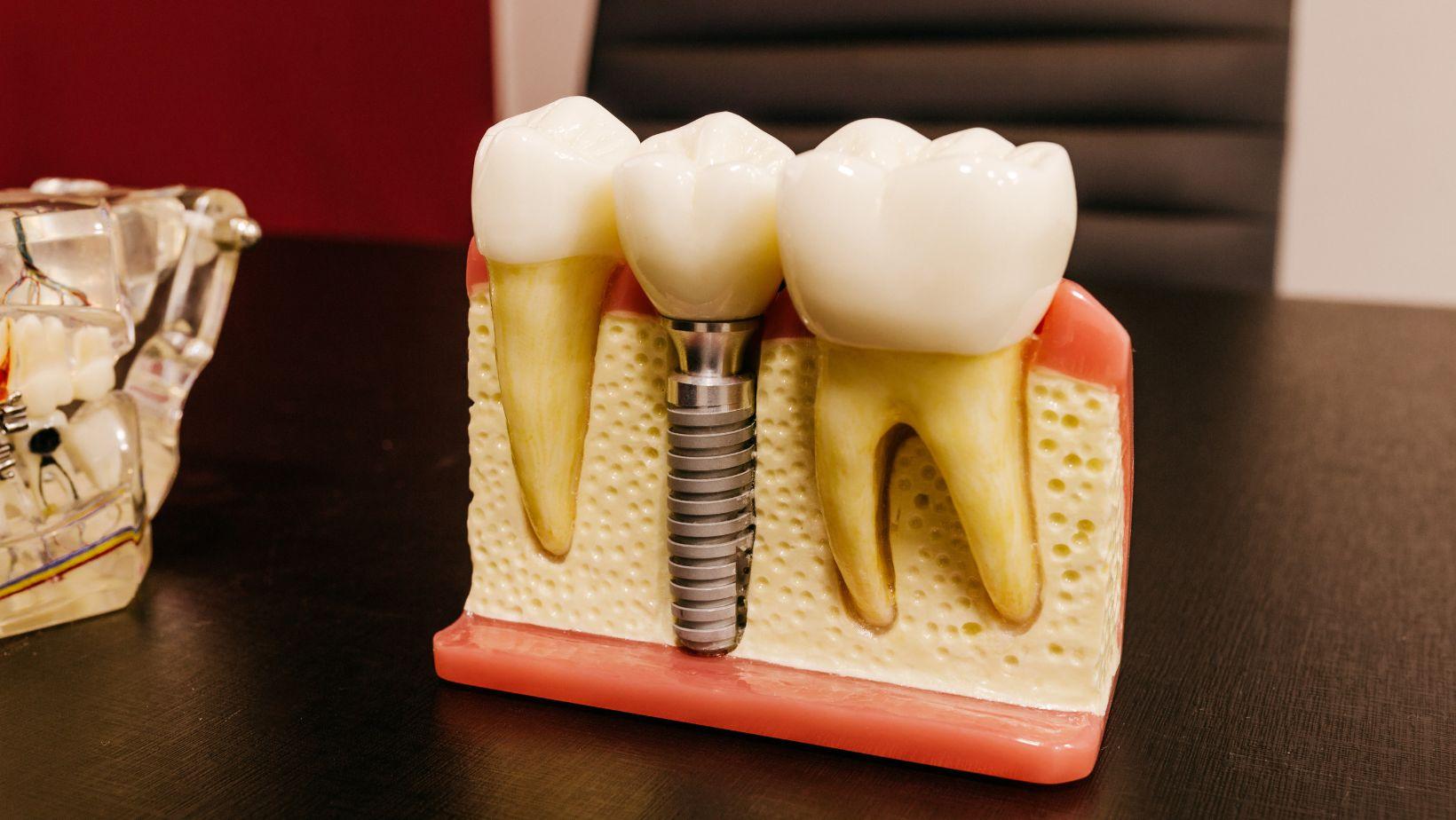

Thinking about dental implants in Greenville? You'll follow a straightforward path, from your first consultation to that final crown that brings back your smile and bite.
Dental implants step in for missing tooth roots with titanium posts placed right in your jaw. After healing and integration, you get a custom restoration that feels strong and natural.
It all starts with a candidacy evaluation and imaging to map out your bone health and tailor a plan. Then comes the surgical placement, usually handled by skilled local teams. Finally, you reach the restorative phase, where crowns, bridges, or dentures are attached. Dental implants by The Smile Company follow exactly this path, guiding you from evaluation through to the final restoration.
Let's look at recovery, follow-up care, and how to make sure your investment lasts.
Table of Contents
ToggleConsultation and Candidacy Evaluation
You’ll find out if implants are a good fit for your mouth, what tests you’ll need, and how your final plan comes together. The team checks your teeth, bone, health history, and what you hope to achieve before deciding on next steps.
Initial Oral Examination
Your dentist takes a close look at your gums, remaining teeth, and how your bite fits together. They check for gum disease, loose teeth, and infection—anything that needs fixing before you get implants.
They’ll measure the gaps and estimate crown height to make sure the implant will support a realistic-looking tooth. If you need extractions, the dentist explains timing and options for preserving the socket.
You’ll hear the pros and cons of immediate versus delayed implant placement, depending on infection, bone quality, and how things need to look.
Diagnostic Imaging and Assessment
Your provider orders imaging—usually a panoramic X-ray and a CBCT scan. The CBCT gives a 3D view of your bone and helps plan the implant’s size and angle.
These scans can reveal hidden problems like cysts or sinus issues that could change the plan. The team shows you the scans, pointing out key areas like nerves and sinus floors.
They use the measurements to see if you’ll need bone grafts, a sinus lift, or maybe a slimmer implant. Sometimes they’ll use surgical guides or computer-assisted placement for extra precision.
Patient Medical History Review
You’ll need to share your full medical history—medications, bleeding disorders, diabetes, past radiation, all of it. Health conditions can affect healing and infection risk, so your dentist might need clearance from your doctor.
Let them know about meds like bisphosphonates, blood thinners, or anything that affects your immune system. The clinic might reach out to your physician to tweak your meds or manage chronic issues before surgery.
Lifestyle matters too. Smoking, drinking, and your oral hygiene habits all play a part. Expect straightforward advice about quitting smoking and any pre-op routines you need to follow.
Treatment Planning
Your team builds a step-by-step plan: extractions, grafts, number of implants, timelines, and temporary teeth if needed. They’ll walk you through your options—single crowns, bridges, full-arch solutions, or sometimes even same-day teeth.
You’ll get a clear estimate of costs, payment options, and a schedule with healing times for bone integration. There’s also a consent form that spells out risks, benefits, and alternatives.
If digital planning or surgical guides are in the mix, they’ll explain how these work and what to expect on surgery day. You’ll leave knowing exactly what’s next and how to get ready.
Surgical Placement Process
You’ll go through three main steps: prepping the site, placing the implant, and letting the bone bond to it. Each step affects how you heal, your immediate care, and when you can get your final tooth.
Tooth Extraction and Site Preparation
If you’ve still got a damaged tooth, your dentist or oral surgeon will remove it using local anesthesia or sedation. They’ll extract the root gently and check bone and tissue quality right after.
If there’s bone loss or infection, they might do a bone graft or socket preservation at the same visit. This helps make sure your implant has enough support.
They’ll also take new X-rays or a CBCT scan to confirm bone size and plan the implant’s position. Sometimes they use a surgical guide to line everything up for your future crown or denture.
Implant Fixture Insertion
Your dentist numbs the area, then opens a small flap or sometimes skips the flap to reach the jawbone. They use a series of drills to create a precise hole for the titanium or zirconia implant.
They screw in the implant and tighten it to the right level. If it’s stable enough, you might get a temporary crown right away, but sometimes they’ll let it heal first.
The surgeon may put in a cover screw or healing cap and stitch up the tissue. You’ll get written aftercare instructions for pain, cleaning, diet, and warning signs to watch for.
Healing and Osseointegration Period
Osseointegration is when your bone actually grows onto the implant. It usually takes three to six months in the lower jaw, sometimes longer up top or after grafting.
During this time, you’ll come in for checkups and occasional X-rays to make sure everything’s stable. If you’ve got a healing abutment, your gums will start to shape up for the final tooth.
Don’t chew hard on the implant until your dentist gives the green light. Stick to gentle cleaning and follow any rules about temporary teeth to avoid movement or infection.
Restorative Phase and Final Results
Now it’s time to connect the healed implant to your new tooth and get back full function and looks. This part is all about getting the fit, shade, and attachment just right.
Abutment Placement
Your dentist checks that the implant is solid in the bone, using an exam and imaging. In a short procedure, they uncover the implant and attach the abutment—the piece that connects the implant to your crown.
Abutments come in different shapes and materials like titanium or zirconia. Your dentist picks the one that fits your gum shape and the type of crown you’ll get.
Sometimes you’ll get a healing abutment to help your gums form a natural look. There’s usually little discomfort, and healing is quick before they take impressions or digital scans.
Custom Crown Design
A lab or in-office CAD/CAM system makes your crown to match the color, shape, and bite. Your dentist checks the shade using guides and photos to blend with your other teeth.
They’ll choose materials—maybe porcelain over zirconia, full zirconia, or layered porcelain—balancing strength and looks. The technician shapes the crown to fit perfectly on the abutment and match your natural contours.
You might try a temporary crown first to test the fit and feel. This is the time to tweak the shape or color before you get the final one.
Prosthesis Attachment
At your last appointment, the dentist checks the fit, contacts, and bite, then attaches the crown to the abutment with cement or a screw. Screw-retained crowns are easier to remove for upkeep; cemented ones can look a bit cleaner at the gum.
They’ll check your bite with paper and make small tweaks so everything feels natural. You’ll get tips on cleaning, avoiding hard foods for a bit, and when to come back for checkups.
You’ll probably notice a big difference in how your mouth works and looks. Keeping up with hygiene, regular exams, and avoiding tobacco will help your implant last.
Post-Procedure Care and Long-Term Maintenance
You’ll deal with some swelling, pain, and diet changes for the first few days. After that, daily hygiene and regular follow-ups keep your implant and gums healthy.
Immediate Aftercare Instructions
Stop bleeding by biting on a clean gauze pad for half an hour to an hour. If it doesn’t stop, swap the gauze and keep gentle pressure—don’t spit, rinse, or use a straw for a day so you don’t lose the clot.
Swelling and mild pain are normal for two or three days. Use pain meds as prescribed and ice your cheek in short bursts for the first 12 hours. If you got antibiotics, finish the whole course.
Stick to soft foods for a week or two—think mashed potatoes, yogurt, eggs, smoothies (but skip the straw). Avoid smoking and heavy drinking for at least a week or two. Sleeping with your head up can help with swelling.
Routine Oral Hygiene Practices
Start gentle cleaning the day after surgery. Rinse with warm salt water (half a teaspoon in a cup of water) a few times a day, especially after meals.
Brush your other teeth as usual but keep the brush away from the implant site for the first week. After that, use a soft brush and gentle strokes around the implant—don’t scrub hard.
Once your gums heal, use floss or brushes made for implants. If you have a bridge or fixed crowns, use a water flosser or threader to clean underneath. Plan on professional cleanings every three to six months, or as your dentist suggests.
Monitoring and Follow-Up Visits
Show up for your post-op appointment within 7–14 days. At this visit, your provider will remove sutures and check the surgical site.
Around 3–4 months after surgery, you’ll go in for a check-up. They’ll examine the area and probably take some x-rays to see if the implant is integrating with the bone.
Once the surgeon gives the green light for osseointegration, you can book your restorative appointment. Your dentist will place the abutment and the final crown or prosthesis, then check your bite.
Usually, there’s a follow-up within a week or two to make sure everything feels right. Sometimes minor adjustments are needed.
Stick to regular recall visits every 3–6 months for cleanings and periodontal checkups. If you notice pain that won’t go away, the implant feels loose, you see pus, or swelling gets worse, let your dental team know right away.