
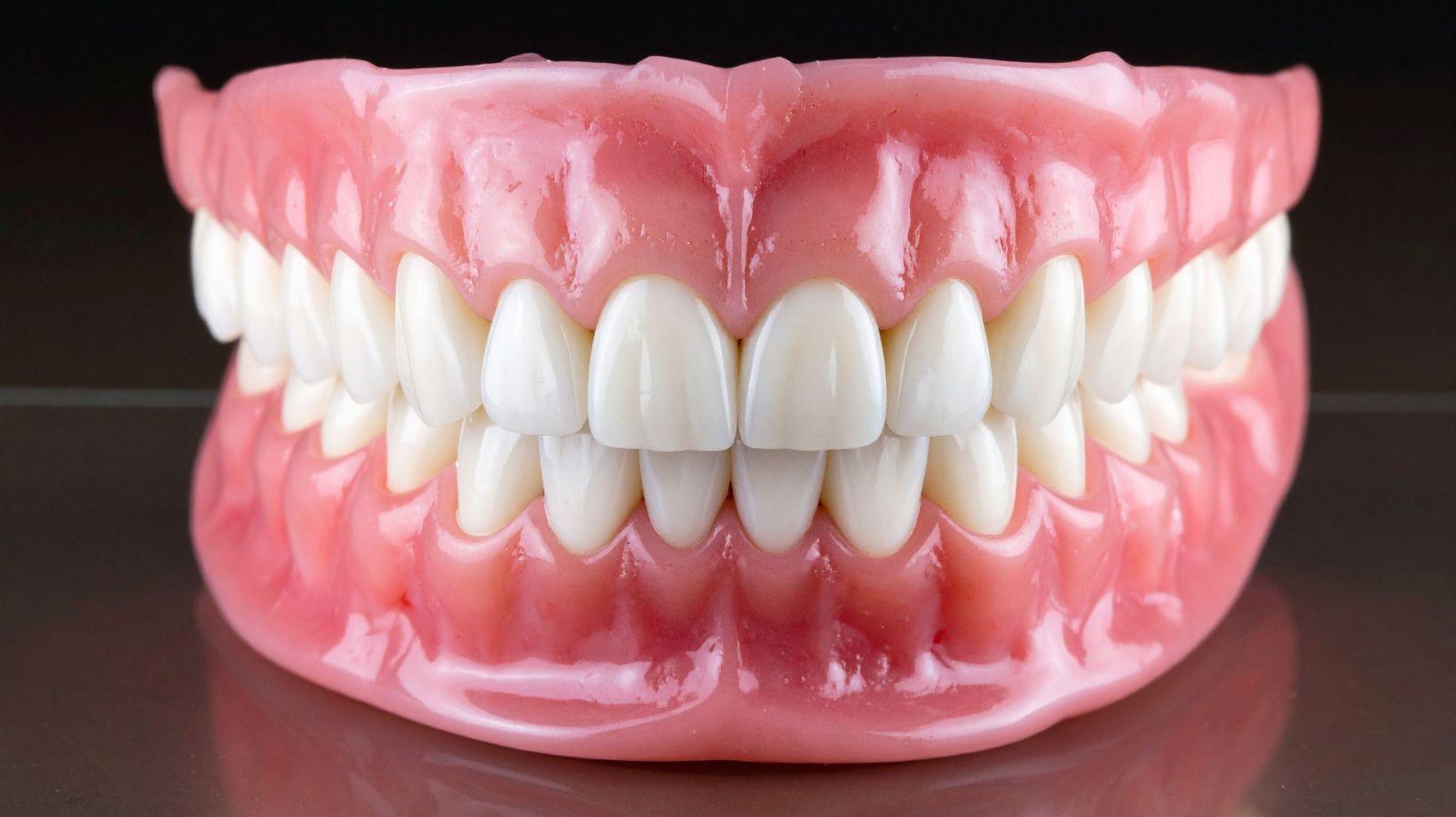

When you switch to dentures or get implant-supported teeth, you’ll notice your mouth needs time to re-learn how to form certain sounds. Small changes in tooth position, palate coverage, and how your tongue moves can cause temporary lisps or trouble with consonants like “s,” “t,” and “th.”
You’ll explore why speech changes happen, how conventional dentures and implants differ, what patients commonly report, and practical exercises and adjustments that speed your return to natural-sounding speech, guidance you’d typically get from a dentist like Arthur Greyf, DDS. Expect clear explanations of the mechanics behind pronunciation, specific problems to watch for, and straightforward strategies your dentist or speech therapist can use to help you adapt and maintain long-term clarity.
Table of Contents
ToggleUnderstanding Speech Production
Speech depends on coordinated movement of soft tissues, the tongue, lips, teeth, and palate to shape airflow into distinct sounds. Small changes in the shape or position of any oral structure can alter resonance, airflow, or contact points and thus change how specific consonants and vowels come out.
Anatomy and Function of Oral Structures
You use the tongue, lips, jaw, hard palate, soft palate (velum), and teeth together to make speech. The tongue is the primary articulator; its tip, blade, dorsum, and root create contact or close approximations with other structures to form consonants and modify vowels.
The lips control bilabial sounds (p, b, m) and shape vowel rounding. The jaw sets vertical and horizontal relationships that affect tongue space and lip tension.
The hard palate provides a rigid surface for the tongue to press against for alveolar and palatal sounds (t, d, s, sh). The soft palate raises and lowers to open or close the nasal airway, which matters for nasals (m, n) and for preventing unwanted nasality.
Saliva, mucosa, and denture fit influence friction and resonance; changes here can cause slurred or sibilant sounds.
Role of Teeth and Palate in Articulation
Your teeth create precise contact points for sounds that require tongue-to-teeth or tongue-to-alveolar ridge contact. The upper incisors and alveolar ridge are crucial for sibilants (s, z) and interdental sounds (th).
Missing teeth or altered tooth position shifts where the tongue meets resistance, changing airflow and spectral energy. The palate—both hard and soft—sets the resonating cavity size for vowels.
A lowered or raised soft palate changes the balance between oral and nasal resonance. When you receive dentures or implants, the vertical dimension (bite height) and arch shape can change.
That alters tongue space and airflow paths, making certain consonants sound lisped or vowels sound slightly different until you adapt. Small adjustments to denture contour or implant restoration often restore the original contact relationships.
Phonetics and Sound Formation
Consonants are classified by place and manner of articulation and voicing; you can predict which sounds will be most affected by prosthetic changes. Sounds requiring precise tip-to-alveolar contact (t, d, s, z, n, l) are sensitive to tooth and ridge changes.
Fricatives (s, sh, f) depend on narrow, stable air channels and are readily distorted by altered lip or tooth position. Vowels depend on tongue height and front-back position plus lip rounding; changes in oral cavity volume shift formant frequencies, so vowels may sound slightly higher or lower.
You can retrain articulation through repetition and targeted exercises that emphasize the affected sounds. Audiovisual feedback and slow, exaggerated practice help you re-establish new contact points and timing when dental work changes the oral geometry.
Effects of Dentures on Pronunciation
Dentures change how your tongue, lips, and airflow interact, which alters specific sounds and speech patterns. You can expect an initial period of adjustment, a set of predictable pronunciation challenges, and subtle shifts in voice quality that often improve with practice or minor denture adjustments.
Initial Adaptation to Dentures
Your mouth needs time to learn new spatial relationships. Upper dentures that cover the palate change where your tongue contacts the roof of your mouth; lower dentures can feel unstable under the tongue.
These shifts commonly affect consonants that rely on precise tongue placement, such as “t,” “d,” “s,” and “l.” Practice helps.
Reading aloud, repeating difficult words, and doing targeted exercises (like pronouncing tongue-tip consonants slowly) speed adaptation. Most people notice steady improvement within weeks, though full comfort can take a few months.
If slurring or distortion persists beyond a few months, a dentist or prosthodontist can check fit and make small adjustments.
Common Speech Challenges
You will likely notice difficulty with sibilants (“s,” “z”) and fricatives (“f,” “v”) because dentures alter airflow channels and lip positioning. Lisping or a muffled quality often appears first, especially with new upper dentures that change the palate shape.
Lower dentures may cause a “floating” sensation during speech that affects stability and timing. Consonant substitution or omission can happen when precise tongue contact is harder to achieve.
Fast speech magnifies problems, so slow, deliberate articulation often sounds clearer. Keep a short list of tricky words and practice them daily.
If problems persist, request minor reshaping or relining; many speech issues resolve after small prosthetic corrections.
Changes in Intonation and Resonance
Dentures influence resonance by changing oral cavity volume and where sound reflects. An upper denture covering the palate tends to reduce nasal quality and can make your voice sound slightly more “forward” or less bright.
Implant-supported dentures that leave part of the palate exposed usually preserve more natural resonance. Intonation patterns — the rise and fall of your speech — can feel flattened at first because you focus on articulation instead of expressive pitch.
With practice, breath support and relaxed jaw movement restore normal pitch variation. If your voice sounds consistently different, measuring resonance and adjusting denture thickness or palatal contours can improve tonal balance.
Comparing Conventional Dentures and Dental Implants
You will notice differences in how dentures and implants affect speech through fit, movement, and how your mouth adapts. The next parts break down stability during talking, how each stays in place, and the muscle coordination you’ll need.
Stability and Fit During Speaking
Conventional removable dentures sit on the gums and rely on suction, adhesives, and tissue support. During rapid speech or sounds requiring tongue-to-palate contact (like “t,” “d,” “s”), a denture can shift slightly, causing lisps or distorted consonants until you adapt.
Implant-supported restorations attach to titanium posts anchored in bone, so they remain fixed relative to your jaw. That stability reduces unexpected movement during syllable bursts and fricatives, letting you produce clearer consonants with less conscious compensation.
If your denture has poor fit or worn acrylic, expect more frequent slips. Regular relines and good adhesive technique improve speech short-term, but implants provide the most consistent long-term positional stability.
Retention Differences
Removable dentures depend on surface contact, border seal, and tongue control for retention. Saliva consistency, bone resorption, and denture base coverage influence how well the prosthesis stays put when you speak, laugh, or cough.
Implant-retained overdentures use clips or bars on implants to snap in place, offering better retention than conventional dentures while still allowing removal for cleaning. Fixed implant-supported prostheses screw or cement onto implants and won’t detach during function.
Consider these practical points:
- Conventional: may need adjustments, adhesives, or relines frequently.
- Overdentures: improved retention, easier cleaning than fixed options.
- Fixed implants: highest retention, minimal intraoral movement.
Muscle Coordination Adjustments
Your tongue, cheeks, and lips learn to compensate for any prosthesis. With removable dentures, you’ll often train your tongue to stabilize the appliance and alter articulatory placements to avoid contact with loose borders.
After implant placement, many patients report less need for compensatory strategies because the prosthesis behaves more like natural teeth. You still undergo a period of neuro-muscular adaptation as proprioceptive feedback changes, but this phase is usually shorter and less effortful than with removable dentures.
Speech therapy or guided exercises can speed adaptation in both cases. Practice reading passages aloud, repeating challenging sounds, and working with a clinician if persistent distortions remain.
Positive Outcomes Noticed by Implant Patients
Patients commonly report clearer speech and fewer air noises after switching to implant-supported prostheses. Many notice that consonants become sharper and less effortful to produce.
Improved Clarity and Fluency
You will often hear consonants — especially s, t, d, and n — come through with more precision after implants stabilize your prosthesis. Fixed or well-retained overdentures stop the baseplate from shifting during speech, so your tongue and lips meet predictable surfaces and produce sounds more reliably.
Expect quicker adaptation compared with new removable dentures because implants restore vertical dimension and occlusal stability. This reduces the need to over-articulate or pause to reposition the denture.
Reduction of Lisping or Whistling Sounds
If you experienced a lisp or whistling with removable dentures, implants often reduce those problems by eliminating the small gaps that let air escape unpredictably. The improved seal and stable positioning prevent narrow escape channels that create high-pitched whistling on sibilants.
You may still need minor adjustments — occlusal refinements or selective reshaping of palatal contours — to eliminate residual whistling. Many patients report increased confidence speaking in social and professional settings.
Addressing Persistent Speech Issues
If your speech problems continue after the usual adjustment period, contact your dental provider promptly. A persistent lisp, unclear consonants, or altered vowels can signal that the prosthesis needs a small shape or fit adjustment.
You can help the clinician by describing specific sounds that trouble you and when the issues occur. Bring recordings or read a short passage in the office so they can hear the problem and compare during adjustments.
Simple self-help steps often improve clarity: practice reading aloud, emphasize troublesome consonants, and do short tongue-strengthening exercises daily. Consistent, focused practice for a few weeks typically reduces many articulation errors.
If adjustments and practice don’t fully resolve the issue, your provider may refer you to a speech-language pathologist (SLP). An SLP evaluates articulation patterns and teaches targeted drills that address the exact movements and timing your speech requires.
Expect possible prosthetic tweaks such as minor changes to flange contours, occlusion, or crown heights on implant-retained restorations. These small alterations frequently restore normal tongue placement and airflow without major appliance changes.
Key actions to take:
- Report specific speech sounds and situations to your dentist.
- Practice short, focused exercises daily.
- Seek an SLP evaluation if progress stalls.
- Request targeted prosthetic adjustments when needed.
Document changes and progress so you and your care team can track what works and what doesn’t.
Strategies for Smoother Transition
Start with short, deliberate practice sessions each day. Read aloud for 5–10 minutes, focusing on problem sounds like “s,” “sh,” “th,” and “f.”
Gradually increase time as you gain comfort. Use targeted exercises to train tongue and lip placement.
Repeat phrases that challenge you, speak slowly, then return to normal pace once articulation improves. Record yourself to track progress and spot persistent errors.
Work closely with your dentist or prosthodontist for adjustments. Small changes to fit, contour, or bite often reduce lisping and slurring.
Ask about tweaking implant crowns or denture edges if specific sounds remain difficult. Consider speech therapy when problems persist beyond a few weeks.
A speech-language pathologist can give tailored drills and feedback. Therapy speeds recovery for complex cases and helps build confidence in social settings.
Adopt practical daily habits that support clearer speech. Keep dentures clean and well-seated; dry or loose appliances worsen articulation.
Use mirrors during practice and pause before important conversations to center your breathing and pronunciation.
Quick reference:
- Daily practice: 5–15 minutes reading aloud
- Focus sounds: s, sh, th, f, v, ch
- Professional help: denture adjustments first; speech therapy if needed
Be patient with yourself; most people adapt within weeks, and implants often stabilize speech faster than traditional dentures.
Long-Term Adaptation and Maintenance
Your speech keeps improving for months after you get dentures or implants. Adaptation timelines vary by person and prosthesis type.
Fixed implant-supported dentures often allow clearer articulation sooner. Removable dentures may require longer practice and occasional adjustments.
Practice and targeted exercises help. Read aloud, repeat difficult words, and practice tongue placement for sibilants and fricatives.
Short daily sessions produce measurable gains. Regular follow-up visits matter.
Have your dentist check fit, occlusion, and any sore spots. Small relines or occlusal adjustments can remove speech-disrupting interferences.
Expect occasional changes over years. Gradual bone remodeling, wear of prosthetic teeth, or soft-tissue shifts can alter resonance or articulation.
Monitor speech and comfort. Keep a simple maintenance routine.
Clean prostheses daily. Inspect attachment components (for overdentures), and replace worn liners or teeth when recommended to preserve predictable speech performance.
If problems persist, seek a multidisciplinary review. A team approach with your prosthodontist and a speech-language pathologist can identify mechanical versus functional causes and create targeted interventions.
Quick reference — actions to support long-term speech:
- Daily practice: 10–15 minutes of reading or articulation drills.
- Dental checks: every 6–12 months, or sooner if issues arise.
- Maintenance: clean daily, replace worn parts per provider guidance.
- Professional help: consult a speech therapist for persistent articulation issues.