
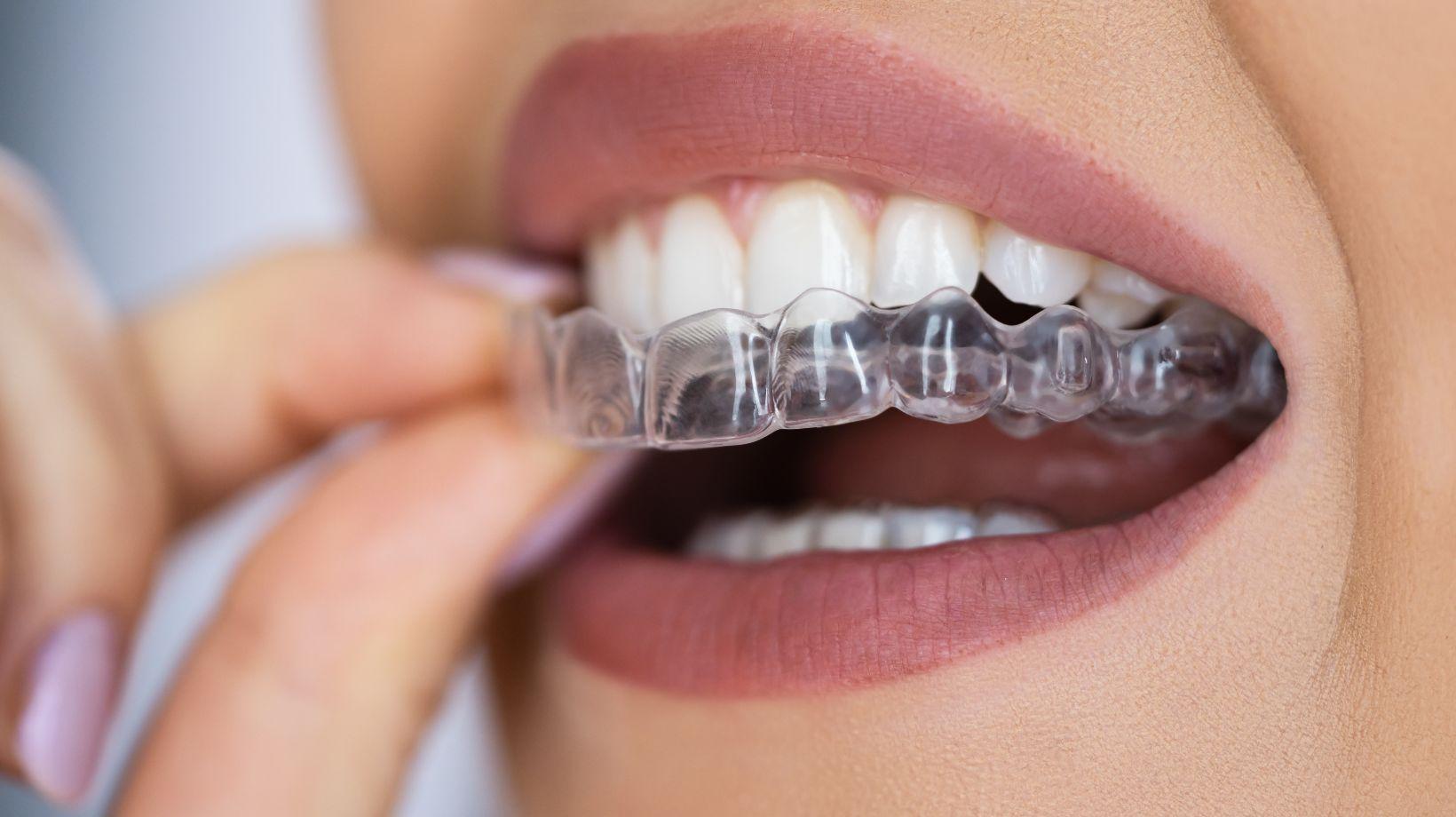

You can keep your professional image while straightening your teeth because clear aligners fit discreetly into your work life and daily routine. Clear aligners have become the first choice for Gainesville professionals working with practices like Gainesville Dentistry Co. because they are removable, low-profile, and designed for predictable, efficient tooth movement — so you can attend meetings, network, and maintain oral hygiene without the disruption of metal braces.
Expect practical benefits that matter to your schedule: fewer in-office adjustments, easier eating and cleaning, and treatment options tailored to active students, clinicians, and office workers across Gainesville. The rest of the article explains how clear aligners work, how they compare with braces, what treatment looks like locally in Gainesville, and how cost, comfort, and long-term results line up with your professional priorities.
Table of Contents
ToggleUnderstanding Clear Aligners
Clear aligners move teeth gradually using a series of custom, removable trays. You’ll learn how they shift teeth, how they differ from braces, and what materials make them comfortable and discreet.
How Clear Aligners Work
Aligners use planned, incremental tooth movements. Your dentist or orthodontist scans your mouth, creates a digital treatment plan, and fabricates a sequence of trays.
Each tray applies light, targeted pressure to specific teeth for about one to two weeks before you switch to the next tray. You typically wear aligners 20–22 hours per day.
Removing them for eating and brushing lets you maintain normal oral hygiene and diet. Routine check-ins every 6–10 weeks let the clinician confirm progress and adjust staging if needed.
Key patient responsibilities affect outcomes: wear time, tray fit, and care. Poor compliance or damaged trays can slow or reverse movement, requiring refinements or extended treatment.
Comparing Clear Aligners to Traditional Braces
Aligners are nearly invisible and removable; braces are fixed brackets and wires. That makes aligners easier for eating, brushing, and maintaining a professional appearance during client meetings.
Braces can treat very complex movements—significant rotations, severe bite corrections, or teeth needing vertical control—more predictably in some cases. Aligners have advanced and now handle many moderate-to-complex cases, but your clinician decides suitability based on X-rays, occlusion, and movement goals.
Treatment time varies: many aligner cases finish in roughly the same timeframe as braces for comparable issues, but treatment can extend if you skip wear time or require refinements. Cost and appointment frequency also differ: aligners often mean fewer in-office adjustments but may include remote monitoring or lab fees.
Materials Used in Clear Aligners
Most aligners use medical-grade thermoplastic polymers—commonly polyurethane blends or multi-layer copolymers. These materials balance clarity, elasticity, and strength to apply consistent force while remaining thin and comfortable.
Manufacturers may use single-layer or multi-layer constructions. Multi-layer aligners combine a rigid inner layer for controlled force with a softer outer layer for comfort and fit.
Some brands add surface coatings to reduce staining and friction. Allergy and biocompatibility testing is standard for reputable systems.
If you have a known plastic allergy or severe sensitivities, discuss alternatives or testing with your provider before starting treatment.
Lifestyle Benefits for Working Professionals
Clear aligners let you straighten your teeth without drawing attention, interrupting meetings, or changing your daily routine. They provide discreet appearance, all-day comfort, and minimal effect on how you speak.
Discreet Appearance in Professional Environments
You can wear aligners that are nearly invisible in photos, video calls, and in-person meetings. The clear thermoplastic blends with your teeth so clients and colleagues focus on your face and words rather than orthodontics.
If you need to present or attend networking events, remove the aligners briefly for close-up shots or important conversations; most people won’t notice small removals. For formal client-facing roles, you avoid metal brackets and visible wires that can alter perceptions of professionalism.
Many practices in Gainesville offer custom-fit trays that reduce glare under studio or office lighting. That means fewer self-conscious moments during presentations and smoother interactions at conferences and interviews.
Comfort During Extended Wear
Aligners have smooth edges and custom molding to fit your dental arch, which reduces irritation to lips and cheeks compared with traditional braces. You’ll spend most of the day wearing them, but they won’t rub or snag on clothing during quick wardrobe changes.
You can remove aligners for meals and oral hygiene, so you maintain normal eating habits and avoid food restrictions. Short adjustment periods follow each tray change; those first 24–72 hours may feel tight, but discomfort usually subsides and doesn’t interfere with full workdays.
If you travel for work, pack a small case and cleanser; maintenance is simple and discreet. Local Gainesville providers typically offer remote check-ins, minimizing in-office visits and keeping your schedule predictable.
Minimal Impact on Speech
Most people experience a short adaptation period when they first start wearing aligners; you may notice a slight lisp for a day or two. Practicing key phrases, presentations, or phone scripts aloud accelerates adjustment and restores your natural cadence quickly.
Aligners sit close to teeth without bulky hardware, so long-term interference with enunciation is rare. If you rely on clear pronunciation for client calls or presentations, try a week of practice before major events to ensure confidence.
For roles requiring public speaking, clinicians can tweak aligner fit to reduce speech effects. Scheduling an initial consultation in Gainesville lets you address any specific concerns and plan start dates around important professional commitments.
Convenience and Flexibility
Clear aligners let you eat, speak, and maintain your oral care routine with minimal disruption. They reduce in-office time and simplify cleaning, so you can keep a professional schedule in Gainesville without sacrificing treatment progress.
Removability for Meals and Meetings
You remove aligners for meals, so you can eat whatever you like—steak, salad, or coffee—without food getting trapped in brackets. This also prevents staining and reduces emergency visits for broken wires, which saves you time during a busy workweek.
Take them out before important client lunches or presentations, then rinse and reinsert in under a minute. For short meetings, you can keep aligners in to maintain treatment while minimizing changes to your speech; most people report only a brief adjustment period.
Follow a simple rule: wear aligners 20–22 hours daily. That gives you plenty of flexibility for meals, workouts, and networking while keeping your treatment on schedule.
Streamlined Maintenance and Cleaning
Cleaning aligners takes less than two minutes and fits easily into morning and evening routines. Rinse under cool water after removal, brush with a soft toothbrush (no toothpaste), and soak with recommended cleaner once daily for odor control.
Your regular oral hygiene stays the same: brush twice and floss daily. Removing aligners for brushing prevents plaque buildup and makes it easier to maintain fresh breath before meetings or client calls.
Store aligners in their case when not in use to avoid loss and contamination. Carry a compact kit—case, travel brush, and a small bottle of cleaner—so you can manage hygiene discreetly at the office or on the road.
Reduced Office Visits
Clear aligner systems use digital scans and remote monitoring, cutting in-office appointments to periodic check-ins. Expect fewer chairside adjustments than with braces, which fits better with tight work schedules and Gainesville commutes.
Many providers offer teleorthodontic reviews where you upload photos or use an app to record progress. Your dentist will advise only when a new set of trays or an in-person exam is necessary, saving you travel and time off work.
When in-office visits are required, they tend to be brief—tray pickups or quick fit checks—so you can plan them around client meetings or early-morning slots.
Treatment Outcomes and Efficiency
Clear aligners in Gainesville often move front teeth and correct mild crowding faster than many expect. You will usually see measurable changes early, and modern digital planning tightens predictability for each stage of your treatment.
Timeframe for Noticeable Results
You can expect initial alignment of front teeth within 4–8 weeks for common issues like minor crowding or spacing. Many patients notice straighter teeth after the first 2–4 sets of aligners, since those aligners address the highest-priority movements.
Treatment length depends on complexity: simple cases may finish in 4–8 months, moderate cases in 9–15 months, and complex cases (extractions, major bite changes) can extend to 18+ months. You must wear aligners 20–22 hours per day to hit these timelines; noncompliance adds weeks to months.
Your provider’s use of auxiliaries (attachments, elastics) also changes timing. Attachments improve grip for rotations and extrusions, while elastics address bite corrections—both can speed specific movements when used correctly.
Predictability with Digital Planning
Digital treatment planning maps each tooth movement step-by-step, and that plan becomes your visual timeline. You review a 3D simulation that shows predicted tooth positions at every aligner stage, which helps you set realistic expectations before starting.
Predictability is higher for tipping and minor translations and lower for large rotations, root movements, and vertical changes. Your clinician can improve outcomes by staging difficult movements, adding refinements, or combining aligners with fixed appliances when needed.
Research and clinical consensus indicate that planned movements match clinical results most closely when the plan includes attachments, overcorrection where appropriate, and scheduled refinements. Ask your provider how they document and measure treatment accuracy so you can track progress against the digital plan.
Tailored Solutions in Gainesville, FL
Local practices offer flexible scheduling, specialized treatment plans, and technology choices that fit professional lifestyles. You can expect options that prioritize discretion, minimal office time, and predictable timelines.
Availability of Local Providers
Gainesville hosts multiple practices offering clear aligners, from general dentists to specialty orthodontists. You can find providers near University Avenue, Archer Road, and the medical district, which reduces commute time between work or campus obligations.
Many clinics offer free or low-cost initial consultations so you can compare treatment approaches and estimates quickly. Look for providers who handle both in-office aligner series (Invisalign, ClearCorrect, Clarity) and partnerships with lab-based systems to match your budget and clinical needs.
Check provider credentials and patient reviews for experience with adult cases and complex movements. Ask about follow-up visit frequency and emergency protocols; you want a practice that minimizes disruption to your workday.
Access to Advanced Technology
Practices in Gainesville increasingly use digital scanners, 3D treatment planning, and AI-guided monitoring to improve accuracy. Digital impressions cut appointment time and reduce discomfort compared with traditional molds.
3D treatment setups let you preview results and understand each aligner stage before you commit. Some clinics pair remote monitoring apps with in-office check-ins so you can limit visits to essential adjustments and maintain productivity.
Confirm whether your provider offers in-house printing or uses trusted labs, as that affects turnaround times and cost transparency. Also ask about adjunctive tools—attachments, precision cuts, or IPR (interproximal reduction)—so your plan handles tooth movements efficiently.
Community Demand Among Professionals
Working professionals in Gainesville favor clear aligners for their low visibility and removable design. You can wear aligners during presentations and networking without impacting your appearance or speech noticeably.
The local demand has encouraged practices to offer evening and early-morning appointments, expedited treatment paths, and financing plans suited to salaried employees and grad students. Employers in the area with health benefits sometimes cover part of orthodontic care, so verify your plan and ask providers about benefits coordination.
Peers often choose providers who demonstrate predictable schedules and clear communication. Prioritize clinics that provide a written timeline, estimated number of aligners, and a payment plan aligned with your pay cycles.
Cost Considerations and Insurance Options
Expect clear aligner fees in Gainesville to range widely based on provider type, case complexity, and whether you choose an in-office orthodontist or a direct-to-consumer option. Insurance and payment plans can reduce out-of-pocket costs, but details matter—check lifetime orthodontic maximums and pre-authorization requirements.
Affordability Compared to Other Treatments
Clear aligners in Gainesville typically fall between $1,800 and $7,000 depending on brand and supervision level. Mail-order or at-home systems often start around $1,800–$2,500, while orthodontist-supervised Invisalign or similar systems commonly range $3,000–$6,000 for moderate cases.
You should factor in additional costs such as retainers, refinements, and periodic in-person visits; those can add several hundred dollars. Compare total treatment cost, expected chair time, and projected results rather than sticker price alone.
An orthodontist’s supervision raises the price but reduces risk of relapse, unforeseen procedures, or longer treatment time that could increase your total spend.
Employer-Based Insurance Benefits
Many employer health plans now include orthodontic coverage that treats clear aligners similarly to braces, but coverage limits vary. Review your plan’s lifetime orthodontic maximum—common caps run from $1,000 to $3,000—and note whether pre-authorization or a treatment plan submission is required.
Flexible Spending Accounts (FSAs) and Health Savings Accounts (HSAs) let you pay pre-tax for qualified orthodontic care, effectively lowering your net cost. If your employer offers a telehealth dental network, confirm whether associated providers accept in-network rates for aligner therapy; using an in-network orthodontist can significantly reduce your co-pay and paperwork.
Maintaining Oral Health During Treatment
Keep your teeth and gums clean, protect your aligners from stains and odor, and stay on schedule with dental checkups to avoid treatment delays and complications.
Easier Oral Hygiene Practices
Clear aligners are removable, so you can brush and floss the same way you did before orthodontic treatment. Remove aligners before every meal and snack.
Rinse and brush your teeth to prevent food packing and reduce plaque buildup that can cause cavities. Floss at least once daily; using a floss threader or interdental brush helps reach tight contacts that shift during treatment.
Clean your aligners every time you clean your teeth. Rinse them under lukewarm water and brush gently with a soft-bristle brush and clear, unscented soap or a non-abrasive cleaner made for aligners.
Avoid hot water, whitening toothpaste, or abrasive cleaning agents that can warp or scratch the trays. Carry a travel dental kit—soft toothbrush, fluoride toothpaste, floss, and a small container for aligners—to freshen after meals when you’re at the office or commuting.
Remove aligners only for eating and cleaning. Wearing them for the recommended hours maintains tooth movement while keeping hygiene manageable.
Preventing Common Dental Issues
Cavities and gum inflammation are the most common risks during aligner treatment, but proper routine minimizes them. Brush for two minutes after meals and use fluoride toothpaste to strengthen enamel.
Consider a fluoride mouthwash at night if your dentist recommends it. Monitor for sensitivity or persistent bleeding and report these signs promptly.
Keep aligners clear by avoiding colored or sugary drinks while wearing them. If you drink coffee or tea, remove trays and rinse your mouth before reinserting to reduce staining and bacterial growth.
Attend professional cleanings every 3–6 months or as your dentist advises. They catch early decay and adjust preventive care if needed.
If you notice an aligner fits poorly or causes a sore spot, contact your provider rather than forcing the tray. Early adjustments prevent unwanted tooth movement and reduce the chance of developing infection or prolonged inflammation.
Patient Experiences and Success Stories
Many Gainesville professionals report practical benefits from clear aligners. You notice improved confidence during presentations and meetings because aligners remain discreet and removable.
Patients often mention better oral hygiene during treatment. You can brush and floss normally, which helps prevent decay compared with fixed braces.
Real-world stories highlight convenience for busy schedules. You keep regular work and travel routines while changing aligners at home.
Fewer in-person adjustments mean less time away from the office. Comfort and lifestyle fit come up repeatedly in feedback.
You’ll find aligners feel smoother than brackets and wires. You can pause treatment briefly for important events without disrupting long-term progress when guided by your provider.
Some patients describe measurable health improvements. You may see easier cleaning, fewer soft-tissue irritations, and reduced risk of certain dental problems as teeth move into healthier positions.
Expect variation in outcomes based on adherence and case complexity. Complex bite or jaw issues may still require traditional orthodontics or combined approaches.
Future Trends in Adult Orthodontics
You will see continued integration of digital workflows—3D scanning, AI treatment planning, and in-office printing—speeding up consultations and reducing appointments. These technologies let clinicians predict outcomes more accurately and tailor aligner sets to your specific anatomy.
Expect growing use of remote monitoring tools that let you send photos or use apps for progress checks between visits. This reduces time in the chair while keeping your treatment on track, especially if your schedule is busy.
Clear aligner materials keep improving for comfort and force control. This allows treatment of more complex cases without fixed braces.
Hybrid care models will become common: in-office visits for critical movements, combined with teleorthodontics for routine checks. This mix supports efficient care and fits into professional lifestyles.
Insurance coverage and practitioner training will influence availability locally in Gainesville. You should ask providers about their digital capabilities, remote monitoring protocols, and experience with complex aligner cases when choosing care.