
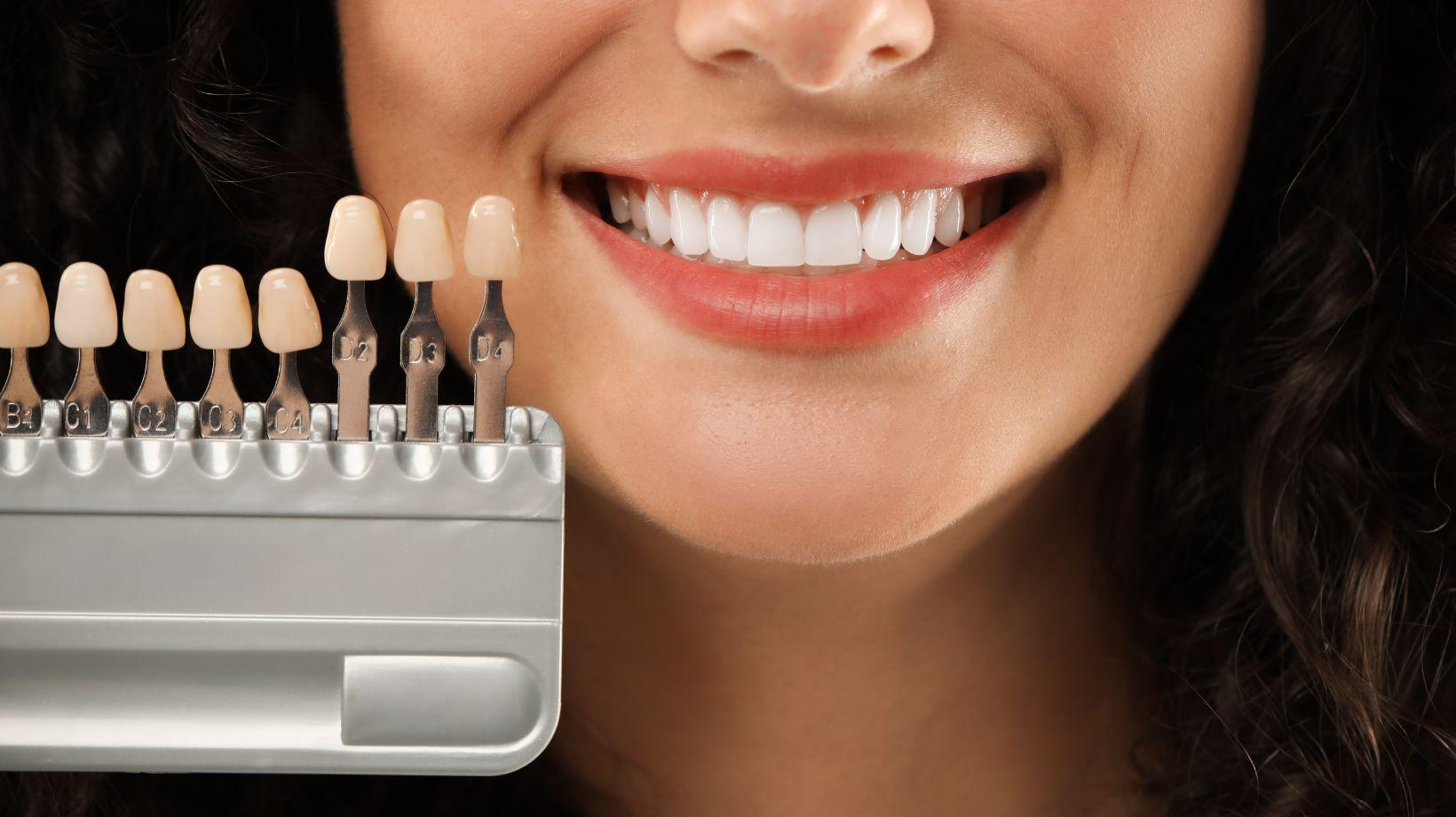

You may think worn, aged, or uneven teeth are just cosmetic problems, but they affect function, comfort, and how you present yourself.
A personalized smile makeover can restore tooth structure, improve alignment and symmetry, and brighten your smile using options that range from whitening and bonding to veneers in Florida, orthodontics, and implants.
This article breaks down how dentists assess wear and aging, which cosmetic and restorative solutions suit different needs, what new technologies make possible, and how to weigh long-term outcomes and costs so you can make a confident plan for your smile.
Table of Contents
ToggleUnderstanding Smile Aesthetics
You’ll learn how age and wear change tooth shape, color, and position; how uneven teeth alter your facial proportions and expressions; and which biological and lifestyle factors cause staining, chips, and enamel loss.
Common Signs of Aging and Wear on Teeth
As you age, enamel thins and exposes darker dentin underneath, making teeth look more yellow or gray.
Bite wear shortens front teeth, flattens chewing surfaces, and can increase tooth sensitivity.
Small chips, hairline cracks, and uneven edges become more common from grinding (bruxism) or repeated biting forces.
These changes shorten tooth height and can open gaps that didn’t exist earlier in life.
Gum recession often accompanies aging.
Receding gums expose root surfaces that are darker and more prone to decay, which further alters the visual length and color of teeth.
Impact of Uneven Teeth on Facial Appearance
Uneven teeth affect how your lips sit at rest and during smiling, changing perceived lip fullness and smile width.
A shifted midline or crowded front teeth can draw attention to asymmetry in your lower face.
Missing or shortened teeth change vertical facial height; this can create a collapsed look around the mouth and deepen nasolabial folds.
Restoring appropriate tooth height improves facial support and can make your lower face look more balanced.
Misaligned bites increase muscle strain and can alter jaw posture.
Over time, that affects the jawline and the way light reflects on your teeth, influencing perceived tooth shape and brightness.
Factors Contributing to Tooth Discoloration and Damage
Intrinsic staining comes from within the tooth: long-term antibiotic exposure (tetracycline during development), excessive fluoride in childhood, or aging-related dentin darkening.
These stains don’t fully respond to surface whitening.
Extrinsic staining accumulates on enamel from coffee, tea, red wine, tobacco, and some foods.
Surface roughness from enamel wear or restorations traps pigments and accelerates discoloration.
Physical damage stems from trauma, bruxism, acidic erosion (from reflux or frequent acidic foods), and improper chewing habits.
Each mechanism affects treatment choice: whitening, bonding, veneers, or full-coverage restorations depending on depth of damage and your functional needs.
Personalized Assessment and Treatment Planning
You’ll receive a step-by-step evaluation that documents tooth wear, color, shape, spacing, bite function, and soft-tissue health.
That information guides a tailored sequence of treatments, estimated timelines, and costs so you know what to expect and why each step matters.
Smile Analysis and Digital Imaging
Your dentist will examine tooth surfaces, marginal wear, enamel loss, and any exposed dentin or restorations.
Expect clinical photos, intraoral scans, and 2D radiographs; these capture current anatomy, wear patterns, and existing restorative margins.
Advanced cases use 3D cone-beam CT and digital bite scans to map bone, root positions, and occlusion.
Those records let the team simulate final tooth length, veneer thickness, and how restorations will contact opposing teeth.
Digital mockups or a printed diagnostic wax-up show you proposed changes to shape and proportion.
You can approve contours and shade choices before irreversible steps start.
Identifying Patient Goals and Expectations
You’ll discuss the look you want—brightness level, symmetry, and whether you prefer conservative or comprehensive changes.
Be specific: mention shade numbers, visible tooth length, or whether you want gaps closed without braces.
Your lifestyle and budget shape the plan.
If you grind at night, treatment may include night guards and staged restorations; if cost is a concern, the team can prioritize procedures and propose phased treatment.
Risk tolerance and timeline matter.
Tell your dentist if you need faster results for an event, or prefer longer-term durability.
Clear expectations reduce surprises and improve long-term satisfaction.
Collaborative Consultation with Dental Professionals
A multidisciplinary team often includes a general dentist, prosthodontist, periodontist, and, when needed, an orthodontist and lab technician.
Each specialist evaluates function and aesthetics from their perspective.
The team coordinates sequencing: for example, gum contouring or orthodontics may precede veneers, while implants require bone and soft-tissue planning before crowns.
Lab technicians confirm shade mapping and ceramic thickness based on the mockup.
You’ll attend a consultation to review the treatment roadmap, costs, warranties, and maintenance plan.
Ask about materials (porcelain vs. composite), expected longevity, and follow-up visits so you leave with a clear, actionable plan.
Cosmetic Dentistry Solutions
You can choose treatments that reshape, mask, or brighten teeth depending on wear, chips, spacing, or stains.
Each option varies in tooth preparation, longevity, cost, and the number of visits required.
Porcelain Veneers and Their Applications
Porcelain veneers are thin ceramic shells bonded to the front of teeth to change shape, color, and length.
They work well for worn, short, or uneven front teeth and for closing small gaps without moving teeth orthodontically.
Veneers typically require 2–3 visits: a diagnostic consultation, minimal enamel reduction and impressions, then final bonding.
Expect high stain resistance and natural translucency that mimics tooth enamel.
Considerations: veneers are irreversible because healthy enamel is removed, and a damaged veneer needs repair or replacement.
Lifespan commonly spans 10–15 years with good care.
Veneers suit you if you want predictable cosmetic change with precise shade and shape control.
They are not ideal when bite problems or severe tooth loss require crowns or orthodontic correction first.
Dental Bonding for Minor Imperfections
Dental bonding uses tooth-colored composite resin applied and shaped directly on the tooth to repair chips, smooth rough edges, or reshape slightly worn areas.
It often completes in one visit and preserves most natural tooth structure.
Bonding is cost-effective and reversible compared with veneers, but composite stains and wears faster; expect 3–7 years of service depending on habits.
The material bonds well to enamel, so little or no drilling is needed unless decay exists.
Choose bonding when you need quick fixes, limited budget impact, or a temporary solution while planning longer-term treatment.
Avoid bonding for large restorations or when you need maximum stain resistance and durability.
Teeth Whitening for Stains and Discoloration
Teeth whitening uses peroxide-based gels to oxidize stain molecules in enamel and dentin, lightening tooth color by several shades.
Professional in-office whitening produces faster, more controlled results than most over-the-counter options.
Options include in-office high-concentration treatments completed in one session and custom tray systems you use at home over 1–2 weeks.
Whitening treats intrinsic and extrinsic stains to varying degrees; deep tetracycline or very old discoloration may respond less predictably.
Whitening is conservative and often a first step before color-matching restorations like veneers or bonding.
Expect temporary tooth sensitivity; results require touch-ups if you consume staining foods, beverages, or tobacco.
Restorative Techniques for Severe Wear
Severe wear requires rebuilding tooth structure, restoring bite function, and protecting the restorations long term.
Expect a staged plan that may include provisional restorations, definitive crowns or overlays, and bite-management strategies.
Full-Mouth Rehabilitation Approaches
Full-mouth rehabilitation reconstructs all or most teeth when wear affects multiple areas and vertical dimension.
Your dentist will record jaw relationships, take study models, and may use a diagnostic wax-up to show the proposed bite and tooth shapes.
Treatment often proceeds in phases: stabilization (manage sensitivity and wear drivers), provisional restorations to test aesthetics and function, then definitive restorations.
You may receive onlays, crowns, or a combination—material choices include porcelain-fused-to-metal, full-contour zirconia, or layered porcelain depending on strength and appearance needs.
Expect multiple visits over weeks to months.
Communication about your chewing comfort, speech, and appearance during provisionals helps fine-tune the final outcome.
Dental Crowns for Structural Support
Crowns restore severely worn crowns by encasing remaining tooth structure and redistributing occlusal forces.
You’ll get a tooth preparation that preserves as much healthy tooth as possible while creating room for restorative material.
For posterior teeth, strong materials like zirconia or metal-ceramic are common to resist fracture.
For front teeth, layered porcelain or lithium disilicate balances strength with natural translucency.
Your clinician will consider ferrule, core build-up, and whether a post is needed after endodontic treatment.
Crowns also allow you to correct form and vertical height.
Precise impressions (digital or conventional) and accurate occlusal adjustment at delivery reduce the risk of early failure.
Addressing Bite Alignment and Function
Correcting bite alignment prevents recurrence of wear and protects restorations.
Your provider will evaluate centric relation, excursive contacts, and presence of parafunction such as bruxism.
Treatment options include occlusal equilibration, splint therapy to protect new restorations, orthodontics to reposition teeth, and selective adjustment of opposing surfaces.
You may need a custom nightguard made from a hard or hybrid material to shield restorations from grinding forces.
Functional testing—bite records, articulator mounting, and sometimes TMJ imaging—helps determine whether joint position or muscle habits contribute to wear.
Ongoing maintenance visits monitor contacts and wear over time.
Emerging Innovations and Technologies
New materials, digital planning, and gentler techniques are changing how worn, aged, or uneven smiles are restored.
These advances let you get longer‑lasting restorations, predictable aesthetic outcomes, and treatments that preserve more of your natural tooth structure.
Advances in Materials and Longevity
New ceramic formulations and high‑strength composites extend the lifespan of veneers, crowns, and inlays while improving aesthetics.
Lithium disilicate and zirconia blends offer high fracture resistance and lifelike translucency, so restorations resist chipping and match adjacent teeth more naturally.
Adhesive chemistry has improved bond durability to both enamel and dentin.
Modern resin cements and surface treatments reduce microleakage and postoperative sensitivity, which helps your restorations stay functional longer.
Manufacturers also produce wear‑resistant composites for localized repairs and hybrid materials that balance toughness with polishability.
Those options let your clinician choose less‑invasive repairs rather than full coverage crowns when appropriate.
Digital Smile Design Tools
Digital Smile Design (DSD) and 3D imaging let you preview results before treatment begins.
Intraoral scanners capture accurate models; cone‑beam CT adds bone and soft tissue data for complex cases.
You can see simulated outcomes on photos and videos, which helps set realistic expectations.
CAD/CAM workflows translate the digital plan into milled or 3D‑printed restorations with tight fit and consistent contours.
Chairside milling can deliver same‑day crowns and veneers in many practices, reducing the number of visits you need.
AI‑assisted software optimizes tooth proportions and occlusion in the planning phase.
That reduces manual adjustments and improves predictability for full‑mouth or multi‑tooth makeovers.
Minimally Invasive Procedures
Minimally invasive options prioritize conserving enamel and dentin to maintain tooth strength.
Ultrathin veneers (0.3–0.5 mm) and partial‑coverage onlays often require little or no preparation when tooth position and color allow it.
Laser treatments and microabrasion address superficial staining and enamel defects without drilling.
When alignment issues are present, clear aligners can align teeth gradually, enabling smaller restorations or thinner veneers afterward.
Bonded composite recontouring and additive layering let your dentist reshape worn or uneven teeth in a single visit.
These approaches reduce the need for aggressive reduction and preserve options for future care.
Considerations for Long-Term Results
You will need to commit to specific daily habits, periodic professional care, and realistic expectations about how long different treatments last.
Knowing maintenance steps, expected lifespans, and possible complications helps you plan costs and timing.
Maintenance and Aftercare Requirements
After restorations such as veneers, crowns, or bonded composite, follow a strict oral hygiene routine: brush twice daily with a non-abrasive fluoride toothpaste and floss once daily.
Use a soft-bristled brush to avoid wearing margins and consider a silicate-free or low-abrasive polish if your dentist recommends it.
Attend professional cleanings and exams every 3–6 months depending on your gum health and the type of work done.
Your clinician will check margins, bite contacts, and soft tissues for early signs of failure.
Avoid hard foods (ice, nutshells) and habits like nail-biting or opening packages with your teeth; these cause chipping and debonding.
If you grind or clench, wear a custom nightguard to protect restorations and minimize wear on natural teeth.
Follow any staging or temporary-restoration instructions closely; temporary adjustments protect final fit and aesthetics.
Longevity of Smile Enhancements
Different treatments have different lifespans. Porcelain veneers and crowns commonly last 10–20 years with proper care.
Composite bonding typically lasts 5–10 years and often requires periodic polishing or replacement. Dental implants and their restorations can last decades but depend on bone health and implant maintenance.
Teeth whitening results vary: in-office whitening can maintain brightness for 6–24 months. Touch-up kits extend results longer.
Orthodontic corrections are permanent only with retainer use. Expect to wear retainers nightly or as instructed to prevent relapse.
Track changes in bite or wear—these often indicate the need for earlier intervention.
Potential Risks and Limitations
Restorative work can require removal of tooth structure. Veneers and crowns may need enamel reduction that is irreversible.
That increases sensitivity risk and makes future replacement likely. Discuss how much tooth reduction each option requires before committing.
Color matching and translucency limitations mean restorations may not behave identically to adjacent natural teeth under all lighting. Gum recession over time can expose margins and affect aesthetics and longevity.
Other risks include fracture, debonding, secondary decay at margins, and implant complications like peri-implantitis. Medical conditions (e.g., uncontrolled diabetes) and smoking increase complications and shorten lifespan of restorations.
Ask your dentist for a written maintenance plan and a realistic timeline for replacements and repairs.
Choosing the Right Provider
You should prioritize a dentist with specific cosmetic and restorative experience. Look for credentials such as advanced training in prosthodontics, cosmetic dentistry, or restorative care; these signal focused expertise for worn, aged, or uneven smiles.
Ask to see before-and-after photos and patient case studies that match your concerns. Visual examples help you judge taste, technical skill, and consistency.
Check what technologies and materials the practice uses. Digital smile design, intraoral scanning, and chairside shade-matching improve predictability and comfort.
Verify if the provider offers a multi-disciplinary approach or coordinates with specialists. Complex cases often need input from periodontists, orthodontists, or oral surgeons to achieve durable, natural results.
Discuss treatment planning, timelines, and alternatives during a consultation. A good provider explains risks, maintenance needs, and realistic outcomes in clear language you can understand.
Compare cost estimates and financing, but don’t make price the only factor. Higher upfront costs can reflect better materials, laboratory work, and long-term value.
Confirm follow-up care and warranties for restorations. Ask about adjustment policies, repair options, and how they handle complications after treatment.
Trust your instincts about communication and respect. You’ll work closely with this team, so choose a provider who listens, answers your questions, and respects your aesthetic goals.
Cost Factors and Financial Planning
Multiple variables determine what your smile makeover will cost. Treatment type (veneers, crowns, implants, whitening, orthodontics) and how many teeth are involved create the largest price swings.
Material quality and the clinician’s experience also affect fees. Location and clinic overhead influence pricing more than you might expect.
Urban practices and high-demand specialists typically charge more. Pre-treatment work—root canals, extractions, or bone grafts—adds both time and cost.
You can use this quick cost guide to compare options:
- Whitening: lower-cost, often used with other treatments.
- Bonding: moderate expense; best for small repairs.
- Veneers/crowns: mid to high range per tooth.
- Implants: highest per-tooth investment when replacing missing teeth.
Insurance may cover only portions tied to function, not cosmetic upgrades. Ask your insurer about restorative vs. cosmetic distinctions to avoid surprises.
Request itemized estimates so you can submit claims accurately. Plan financing before treatment starts.
Options include dental loans, third-party plans (CareCredit-style), and in-office payment plans. Compare interest rates, total repayment amounts, and any required down payments.
Get a digital mockup or temporary trial when possible. Seeing a projected result helps prioritize which procedures are essential and which you can phase over time to spread cost.