
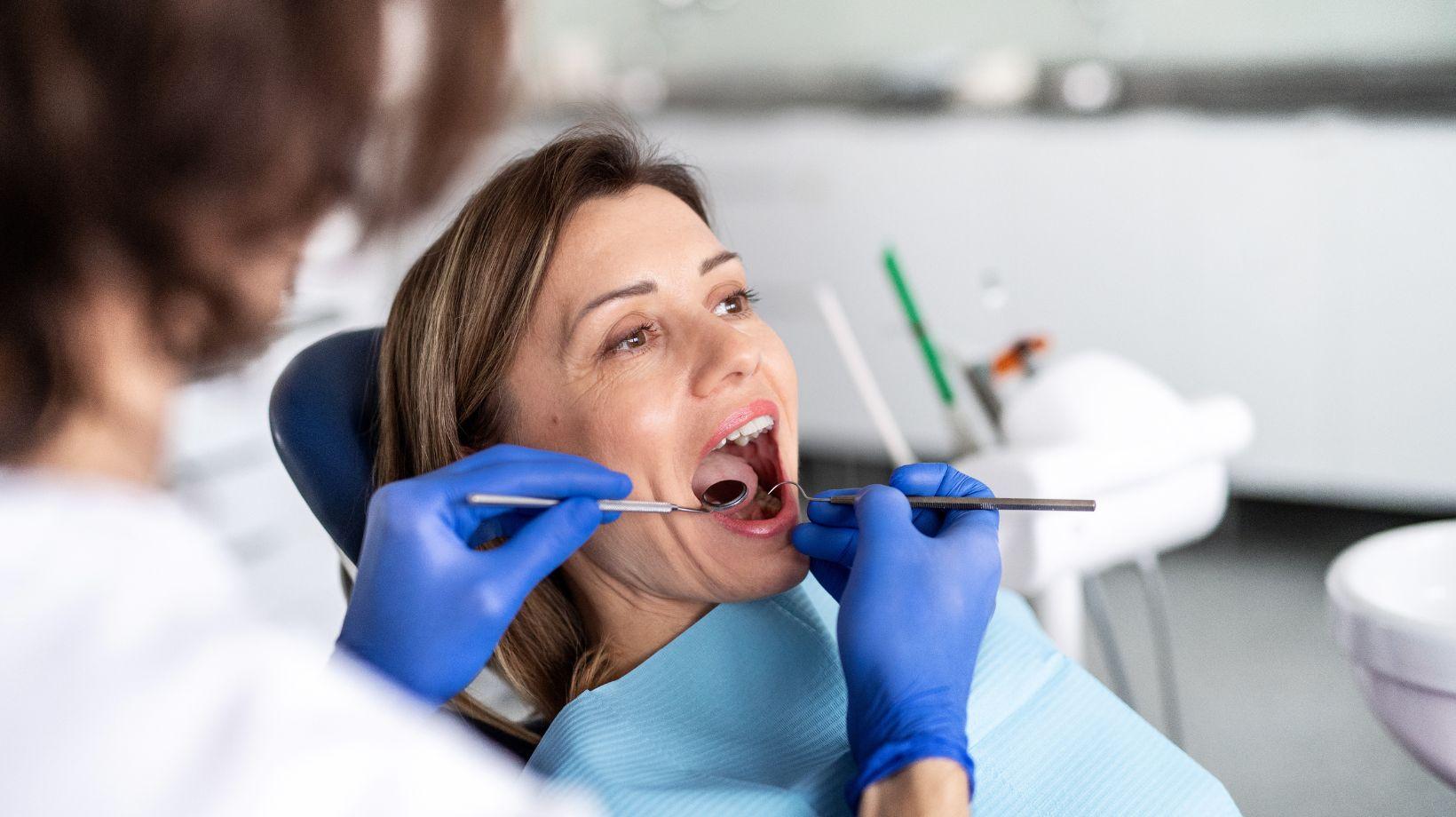

Sudden tooth pain demands quick action. Same-day dental care gives you a fast, practical solution.
Same-day treatment can stop severe pain, limit infection spread, and often save a tooth from more invasive procedures. Getting prompt care changes outcomes and reduces stress.
You’ll learn how to spot true dental emergencies and what same-day visits typically involve — the kind offered by a practice like West Madison Dental. The article also covers how to access urgent care, simple at-home pain relief steps, and how timely treatment protects your long-term oral health.
Table of Contents
ToggleRecognizing Urgent Dental Symptoms
You should watch for sudden, severe pain; visible damage after trauma; and signs of spreading infection. These symptoms often require same-day evaluation to relieve pain and prevent permanent damage.
Identifying Acute Tooth Pain
If your toothache feels sharp, throbbing, or constant and prevents sleep or regular activity, treat it as urgent. Pain that increases with chewing, temperature changes, or when you lie down often indicates pulp inflammation or an abscess needing prompt attention.
Note any new, severe pain after dental work or a cracked filling. Localized, severe pain that radiates to the jaw, ear, or temple can signal a deep infection or a fractured tooth that may need root canal therapy or extraction.
Use simple first-aid: rinse with warm salt water, avoid biting on the side, and take over-the-counter pain relievers as directed. Call for same-day care if pain persists beyond 24 hours or worsens despite home measures.
Signs of Infections and Swelling
Facial or gum swelling that’s increasing in size, warm to the touch, or accompanied by fever suggests a spreading infection. Look for tenderness around a tooth, a bad taste or odor, and swollen lymph nodes under your jaw or in your neck.
Systemic symptoms—fever, chills, difficulty swallowing, or general malaise—indicate the infection may extend beyond the mouth and requires urgent medical and dental assessment. Rapidly progressing swelling near the eye or floor of the mouth is also an emergency.
Document onset and progression of symptoms when you call for care. Note any recent dental procedures, trauma, or immune-compromising conditions you have, such as diabetes or steroid use.
Traumatic Oral Injuries
If a tooth is knocked out (avulsed), time matters: preserve the tooth in milk or saline and seek same-day treatment for the best chance of reimplantation. Handle the tooth by the crown only and avoid scrubbing the root.
Fractured teeth that expose the inner pulp, severe lacerations to lips or tongue, and loose teeth after a blow to the face all require immediate attention. Heavy bleeding that won’t stop after 10–15 minutes of pressure also needs prompt evaluation.
Bring any broken tooth fragments, a photo of the injury, and a list of symptoms to your appointment. Emergency clinics can stabilize trauma, control bleeding, and plan definitive repair or referral.
Immediate Benefits of Rapid Dental Intervention
Rapid treatment reduces pain, controls infection, and preserves tooth structure. You gain quick symptom relief and a lower chance of complex procedures later.
Pain Relief and Patient Comfort
You get faster pain control when a dentist treats the source the same day. Local anesthesia, temporary restorations, or drainage of an abscess can stop intense toothache within minutes to hours.
Quick intervention also reduces anxiety linked to ongoing pain. You avoid repeated sleepless nights and can return to normal eating and work routines sooner.
Expect immediate strategies like analgesics, short-term crowns or splints, and targeted antibiotics if infection is present. These measures focus on comfort while the dentist plans definitive care.
Prevention of Complications
Timely care limits the spread of infection from a single tooth to surrounding bone and soft tissues. Treating an infected tooth promptly reduces the risk of facial swelling, cellulitis, or systemic involvement that could require hospitalization.
Early stabilization of a fractured tooth prevents further breakage and contamination. Placing a temporary crown or bonding a chipped tooth decreases the chance you’ll need extraction or more complex surgical procedures later.
Your dentist also intercepts problems that could affect neighboring teeth. Addressing a root infection or loose restoration quickly helps protect adjacent tooth structure and gum health.
Minimizing Long-Term Damage
Same-day care preserves tooth structure and reduces the need for extensive restorative work. When a crack or decay is sealed quickly, you maintain more natural tooth tissue and avoid larger fillings, root canals, or extractions in many cases.
Prompt treatment supports better outcomes for dental implants or crowns by keeping the site healthy until permanent restoration. Early management of trauma improves the prognosis for reattaching or saving a tooth after injury.
You also cut overall treatment time and cost by preventing progressive damage. Fewer appointments and less invasive procedures often follow when you address emergencies without delay.
Common Conditions Treated Same-Day
Same-day care focuses on stopping pain, stabilizing the tooth or gum, and preventing infection or further damage. You can expect treatments that relieve symptoms quickly and set you up for follow-up or definitive care.
Cracked or Broken Teeth
A visible crack or sudden bite pain often needs same-day attention to prevent worsening damage. Your dentist will assess whether the fracture reaches the pulp (inner nerve); if it does, they may provide emergency pulp protection, temporary crown placement, or root canal treatment that day to control pain and infection risk.
If the break is minor, they may smooth the edge and place a bonded filling or onlay to restore function immediately. For large fractures, the dentist can fit a temporary crown or perform tooth extraction if the tooth cannot be saved.
Bring any tooth fragments and note how the injury happened. Immediate imaging (X-rays) and local anesthesia let the clinician act promptly so you leave with reduced pain and a clear next-step plan.
Abscessed Gums
An abscess produces localized, often throbbing pain, swelling, and sometimes fever; it requires urgent treatment to avoid spread. Your dentist will first drain the abscess or perform an incision when appropriate, then clean the area to reduce pressure and pain.
They commonly prescribe antibiotics if there is spreading infection or systemic signs. If the abscess stems from a dead or infected tooth pulp, the dentist may begin or complete root canal therapy same-day to remove the source.
Follow-up care typically includes definitive root canal treatment or extraction and monitoring of the infection. You should expect pain control measures, instructions for wound care, and a short antibiotic course if indicated.
Lost Fillings and Crowns
A lost filling or crown leaves the tooth vulnerable to pain, decay, and fracture; same-day visits aim to protect the exposed tooth structure. Your dentist will inspect the underlying tooth for decay or fracture and either re-cement the crown, place a temporary crown, or restore the tooth with a new filling.
If the crown is intact and the tooth beneath is healthy, your dentist can often reattach it that day using dental cement. When decay or damage is present, they remove decay and place a temporary or permanent restoration depending on how much time and materials are available.
You should bring the crown or filling if you have it. Expect immediate measures to seal and protect the tooth plus clear instructions for care until a final restoration is completed.
What to Expect During Emergency Visits
You will receive focused, fast assessment to identify the source of pain, immediate treatments to stop bleeding or relieve pain, and clear instructions for follow-up care and any needed restorative work.
Assessment and Diagnosis Procedures
When you arrive, staff will ask about your symptoms, medical history, and any medications. Expect questions about when the pain started, what worsens or eases it, and whether you have fever or facial swelling.
The dentist performs a targeted exam of the mouth, jaw, and face. They will check tooth mobility, look for fractures or lacerations, and test for nerve sensitivity using simple cold or percussion tests.
X-rays or a limited CBCT may be taken during the visit to confirm fractures, root canal involvement, abscesses, or impacted teeth. Labs or medical clearance are rare but requested if infection seems systemic or you’re on anticoagulants.
You should receive a clear diagnosis or at least a working diagnosis with next-step options. If immediate definitive treatment isn’t possible, the dentist documents findings and sets a plan to stabilize you quickly.
Treatment Options Available
Staff prioritize pain control and stabilization first. Expect local anesthetic injections for severe pain, prescription or onsite analgesics, and antibiotics if there are signs of spreading infection.
For broken or avulsed teeth, the dentist may attempt splinting, repositioning, or replanting (if within the recommended time). For tooth fractures, they can place temporary fillings, stainless-steel crowns, or adhesive bonding to protect exposed dentin or pulp.
If a tooth has an acute abscess or irreversible pulpitis, the dentist often performs drainage, pulpectomy, or emergency root canal treatment when feasible. Extractions are offered when a tooth is nonrestorable or risks systemic infection.
Soft-tissue injuries receive irrigation, debridement, and sutures as needed. The team will explain immediate costs, whether same-day definitive care is possible, and which treatments are temporary versus permanent.
Follow-Up Care Guidance
You will receive specific home-care instructions: how to manage pain with dosage and timing, when to apply cold or heat, and signs that require immediate return (increasing swelling, fever, unrelieved pain, or bleeding). Follow medications exactly; finish antibiotics as prescribed.
Schedule a follow-up appointment before you leave. That visit may include definitive restorative work (crowns, permanent fillings), completion of root canal therapy, or short-term monitoring after splint removal.
The clinic will note any imaging or lab results to review at that visit. Keep records of what was done and any prescriptions.
If you have medical conditions (diabetes, heart disease) or take blood thinners, inform the follow-up provider so they can coordinate care safely.
Accessing Same-Day Dental Services
You can locate same-day care quickly and sort out payments so you get treatment without delay. Focus on verified providers, clear availability, and realistic cost information before you arrive.
Finding Providers Quickly
Search local clinics that list “same-day” or “emergency” services and check real-time availability online. Use clinic websites, Google Business Profiles, or dental booking platforms to confirm open hours and next-available appointment slots.
Call before you travel if your pain is severe. Ask how long the current wait is, whether they triage by severity, and which treatments they can perform the same day (extraction, temporary crown, root canal assessment, pain control).
If you use a mobile app, enable notifications for cancellations to get earlier slots. Keep a short checklist on hand: clinic address, phone, payment options, and whether they accept walk-ins.
If you have a damaged tooth, send a photo when possible. Many clinics use photos to triage and prioritize urgent cases.
Navigating Insurance and Payment
Verify in-network status before your visit to avoid surprise bills. Ask the clinic which insurers they accept and whether pre-authorization is needed for emergency procedures like extractions or root canal work.
If you lack coverage, request a written estimate for the likely procedures and any lab fees. Ask about payment options: credit card, CareCredit, short-term medical loans, or sliding-scale fees.
Some clinics offer cash discounts or deferred payment plans for urgent care. Make sure you understand what portion counts as an emergency under your plan; emergency coverage often differs from elective care.
Keep receipts and detailed procedure codes (CDT codes) so you can submit claims or seek reimbursement later.
Tips for Managing Sudden Dental Pain at Home
You can reduce pain, limit swelling, and protect the tooth while arranging professional care. Use targeted home measures and watch for warning signs that require urgent dental attention.
Short-Term Relief Strategies
Rinse with warm salt water (1/2 teaspoon salt in 8 ounces of water) to clean the area and reduce inflammation. Spit; do not swallow.
Apply a cold compress to the cheek for 10–20 minutes on, 10 minutes off to numb pain and slow swelling. Use a cloth between ice and skin.
Take over-the-counter pain medicine such as ibuprofen (unless contraindicated) following the label dose; avoid aspirin directly on gums. Use acetaminophen if you can’t take NSAIDs.
Avoid chewing on the painful side and don’t try to extract a tooth yourself. If a filling or crown is loose, cover sharp edges with dental wax or sugar-free gum temporarily.
For localized pain from a suspected cavity or exposed root, apply a small amount of clove oil on a cotton swab to the area for short-term numbing. Stop if you get irritation.
When to Seek Professional Help
Call a dentist immediately if you have severe pain that lasts more than 24 hours despite OTC meds, a fever, or swelling that affects breathing or swallowing. These signs suggest infection that may need antibiotics or urgent treatment.
Seek same-day care for visible pus, a knocked-out tooth, or a tooth that is fractured down to the root. Immediate intervention improves the chance of saving the tooth.
If you have uncontrolled bleeding after trauma, underlying medical conditions (like diabetes or a weakened immune system), or worsening pain after initial relief, get emergency dental or medical attention. Bring any relevant medications and a clear timeline of symptoms to your appointment.
Long-Term Oral Health After Acute Treatment
After same-day care relieves your acute pain, follow-up matters for lasting oral health. Early treatment often prevents infections or further tooth damage.
You should expect a treatment plan that includes monitoring and restorative steps. For example, a temporary filling or drain may solve the immediate problem while a scheduled crown, root canal, or implant addresses the underlying issue.
Adhere to prescribed medications and wound-care instructions to reduce complications. Proper pain control and antibiotics when indicated lower the risk of persistent infection and speed recovery.
Maintain short-interval checkups to confirm healing and assess function. These visits let your dentist detect recurrence or changes that require definitive treatment.
Practical steps you can take:
- Brush twice daily with a fluoride toothpaste.
- Floss or use interdental cleaners once daily.
- Avoid chewing hard foods on the treated side until fully healed.
Keep records of procedures and any medications you received. That history helps your dental team plan long-term restorations and preventive care tailored to your needs.