
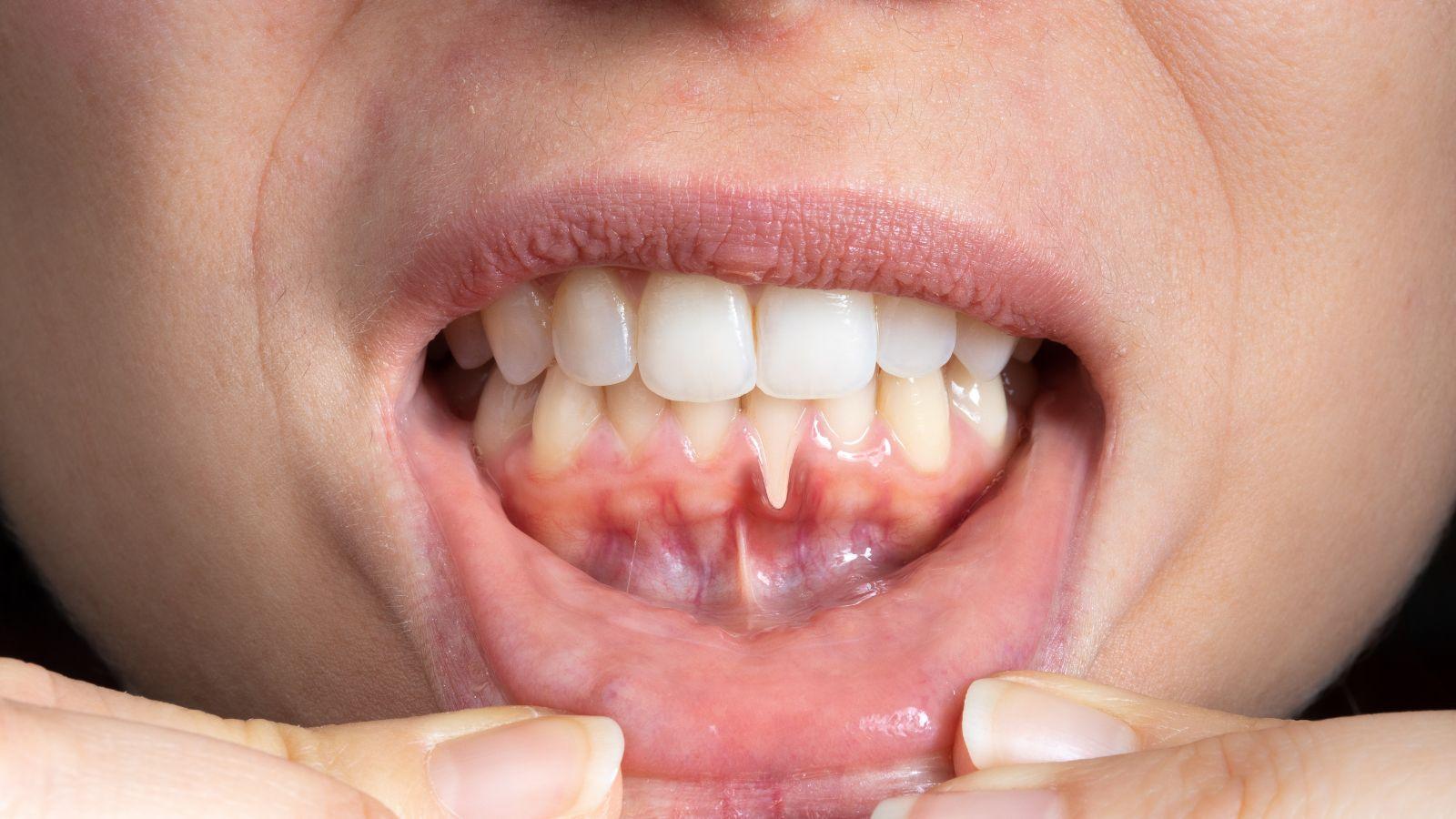

You might not have thought your gums and kidneys talk to each other, but evidence says they do—more than you’d guess. Periodontitis ramps up systemic inflammation and seems tied to higher odds of chronic kidney disease, so oral health could actually help protect your kidneys.
We’ll look at what periodontitis is, how gum inflammation can mess with your kidneys, some clinical studies behind the link, and steps you can take to keep both your mouth and kidneys in better shape. Treating gum disease early with a practice like Horizon Dental Partners is one of those steps—getting inflammation under control before it adds strain elsewhere. Honestly, there are some solid reasons to care about your teeth if you’re worried about kidney health.
Table of Contents
ToggleUnderstanding Periodontitis
Periodontitis is a chronic infection of the gums and the structures that support your teeth. It moves through stages, has clear causes and risk factors, and shows early signs you can actually spot and do something about.
Types and Stages of Periodontal Disease
Periodontal disease starts with gingivitis, which is reversible. Gingivitis only hits the gum lining, causing redness, swelling, and bleeding—no bone loss if you treat it quickly.
If you let plaque and inflammation hang around, gingivitis can turn into periodontitis. At that point, infection spreads into the ligament and bone.
You might notice periodontal pockets—spaces between tooth and gum—because the tissue pulls away.
Clinicians label periodontitis as mild, moderate, or severe, based on things like attachment loss, pocket depth, and bone loss on X-rays.
There’s also a staging (I–IV) and grading (A–C) system to figure out how bad it is, how tough it’ll be to manage, and how fast it might get worse. That guides treatment, whether it’s just a cleaning or something more involved.
Key Risk Factors and Causes
Bacterial dental plaque is the main culprit behind periodontal disease. Certain bacteria—like Porphyromonas gingivalis—really kick up the inflammation.
If you slack on brushing, skip flossing, or rarely see a dentist, your risk goes up.
Systemic and lifestyle factors matter too. Smoking doubles or even triples your risk and makes healing harder.
Uncontrolled diabetes is another biggie—it makes things worse and speeds up disease. Getting older and having certain genes also push your risk higher.
Some meds (anticonvulsants, immunosuppressants, certain calcium channel blockers) and anything that dries your mouth or weakens your immune system can add to the problem.
Things like low income, stress, and poor nutrition also make it harder to get care or fight off disease.
Early Signs and Symptoms
If your gums bleed when you brush or floss, don’t ignore it. That’s one of the first and most reliable signs.
You might also get persistent bad breath or a weird taste from bacterial gunk.
Watch for swollen, sore, or receding gums, or gums that look puffy or pull away from your teeth, leaving pockets you can see.
Early on, it doesn’t usually hurt much, but if your teeth start to wiggle, your bite feels off, or food gets stuck, that’s a sign it’s getting worse.
Regular dental visits include checks for pocket depths and attachment levels.
If you notice any of these signs, ask your dentist for a thorough exam with probing and X-rays—they’ll know what to look for.
Impact of Oral Health on Renal Function
Bad gum health can crank up inflammation throughout your body, mess with immune responses, and let oral bacteria or their toxins slip into your bloodstream.
All of this can make kidney inflammation worse, speed up loss of kidney function, and raise the risk of complications if you already have chronic kidney disease.
Biological Mechanisms Linking Gums and Kidneys
With periodontitis, you get pockets of infection where bacteria like Porphyromonas gingivalis thrive.
Their toxins—like lipopolysaccharide (LPS)—can enter your blood even from everyday things like chewing or getting your teeth cleaned.
Once those bacterial products are circulating, they fire up immune cells and the cells lining your blood vessels.
This kicks off cytokine release (think IL-6, TNF-α) and complement activation, which can damage tiny blood vessels and kidney cells.
If this keeps happening, you end up with ongoing low-grade bacteremia and immune activation.
That directly links gum problems to stress on your kidneys.
Influence of Inflammation on Systemic Disease
Chronic gum inflammation raises levels of things like C-reactive protein, IL-6, and TNF-α in your blood.
Higher levels of these markers show up in people whose kidney function drops faster, according to studies.
Inflammation also helps clog arteries and damages the lining of blood vessels, cutting down on blood flow to the kidneys and making protein leak into urine worse.
For folks with diabetes or high blood pressure, gum-driven inflammation just adds fuel to the fire, pushing kidney disease along and raising heart risks.
Complications Associated With Poor Oral Hygiene
If you let your oral hygiene slide, you’re more likely to get bacteria in your blood, sepsis during dental work, or infections that land you in the hospital.
This is even riskier if you’re immunosuppressed or on dialysis.
People on dialysis with bad oral health face higher death rates in some studies.
Dry mouth can lead to more cavities and fungal infections, which pile on more inflammation and make eating harder.
Untreated gum disease can also drop your quality of life and make it tougher to stick to CKD diets or meds.
That creates a chain reaction—worse oral health, harder CKD management, and poorer outcomes.
Clinical Evidence for Associations
There’s a steady stream of studies connecting periodontitis and chronic kidney disease (CKD).
Cohort and cross-sectional studies show people with CKD are more likely to have gum disease, though proving cause and effect is still tricky.
Major Studies and Epidemiological Findings
Big studies—both cross-sectional and those that follow people over time—find CKD patients have more and worse periodontitis.
Recent reviews estimate about a 2–2.5 times higher chance of gum disease if you have CKD compared to those without it.
Some cohort studies even link gum disease at the start with a faster drop in kidney function later on, though the details can vary depending on how the study was set up.
Researchers generally adjust for age, diabetes, smoking, income, and heart disease, but the way they define gum disease and CKD isn’t always consistent.
So, while the link is there, you should take the numbers with a grain of salt if studies use different definitions or miss confounders.
Case Reports and Population Data
Case series and national surveys add more evidence and show this stuff matters in real life.
Population-level data (like from NHANES) connect gum disease with worse kidney function and higher death rates if you already have CKD.
Some case reports describe bad gum infections in dialysis patients and drops in inflammation after gum treatment in small groups.
Dialysis and transplant patients tend to have worse gum health and more oral inflammation.
A few small intervention studies suggest treating gum disease can lower systemic inflammation markers (like CRP, IL-6) in some patients.
Mortality and hospitalization data hint that gum disease might drive bad outcomes, but we still can’t say for sure.
Current Limitations and Future Research Needs
Most of what we know comes from observational studies with a lot of variability in how gum disease and CKD are defined.
Randomized trials testing if treating gum disease actually helps kidneys are rare.
We need better trials to see if treating periodontitis slows CKD or cuts down heart risks in these patients.
Standardized definitions for both gum disease and CKD would help, and more research in humans (not just looking at biomarkers) is overdue.
Longer studies, better adjustment for confounders, and real kidney outcomes would make the evidence a lot stronger.
Integrated Care and Preventive Strategies
If you want to lower inflammation and catch problems early, you need coordinated care, practical self-care, and targeted screening.
It’s not just about brushing—it’s about working with your whole care team.
Interdisciplinary Treatment Approaches
Dentists, hygienists, and nephrologists should actually talk to each other about your case.
Keep a shared list of meds, lab results (like eGFR and albuminuria), and gum status so everyone knows your infection and bleeding risks before dental work.
Use a stepwise approach: start with above-the-gum cleaning and reinforcing hygiene, then move to deeper cleaning when your blood counts and clotting are safe.
Check back with repeat probing and maybe inflammatory markers.
Only use antibiotic prophylaxis if guidelines say so for high-risk procedures or if you’re immunocompromised.
Adjust antibiotic dosing for your kidney function and always check labs first.
Care coordinators or case managers can help keep everyone on the same page, schedule joint visits, and track follow-ups.
Protocols should spell out when to delay dental work (like if your blood pressure is out of control or you have an active infection) and when it’s safe to go ahead with kidney-friendly tweaks.
Patient Education and Self-Care Recommendations
Show patients how to brush twice daily with a soft brush and clean between teeth once a day—don’t just tell them, actually show them.
Suggest fluoride toothpaste and maybe a short-term chlorhexidine rinse for flare-ups, but warn about side effects and don’t let them use it forever without supervision.
Push for tight blood sugar, quitting smoking, and good blood pressure control since these all make both gum and kidney disease worse.
Encourage tracking blood pressure and glucose at home, and give written oral hygiene plans tied to their medical visits.
Set up regular dental checkups—every 3–6 months for periodontitis, but adjust based on how active the disease is and kidney status.
Make sure patients know when to call for urgent help (like fever, swelling, or bleeding that won’t stop) and who to reach in both dental and kidney clinics.
Screening Protocols for High-Risk Individuals
Start by figuring out who’s high-risk: think diabetes, eGFR under 60 mL/min/1.73 m2, albuminuria, transplant recipients, or folks on hemodialysis.
For these patients, do a baseline periodontal screening—full-mouth probing and check for bleeding on probing—at least once a year.
In dental settings, ask about kidney disease, recent creatinine or eGFR results, and meds that might mess with bleeding or immunity.
If you spot moderate-to-severe periodontitis, unexplained systemic inflammation, or even just suspect CKD, send them to nephrology for a closer look and lab confirmation.
Set up recall schedules that actually make sense—bring patients back more often if their eGFR drops or if their gums just won’t calm down.
Record what you find in shared records, and make sure an automated referral gets triggered if you hit certain thresholds, like probing depth at or above 5 mm or eGFR dropping by more than 10% over six months.