
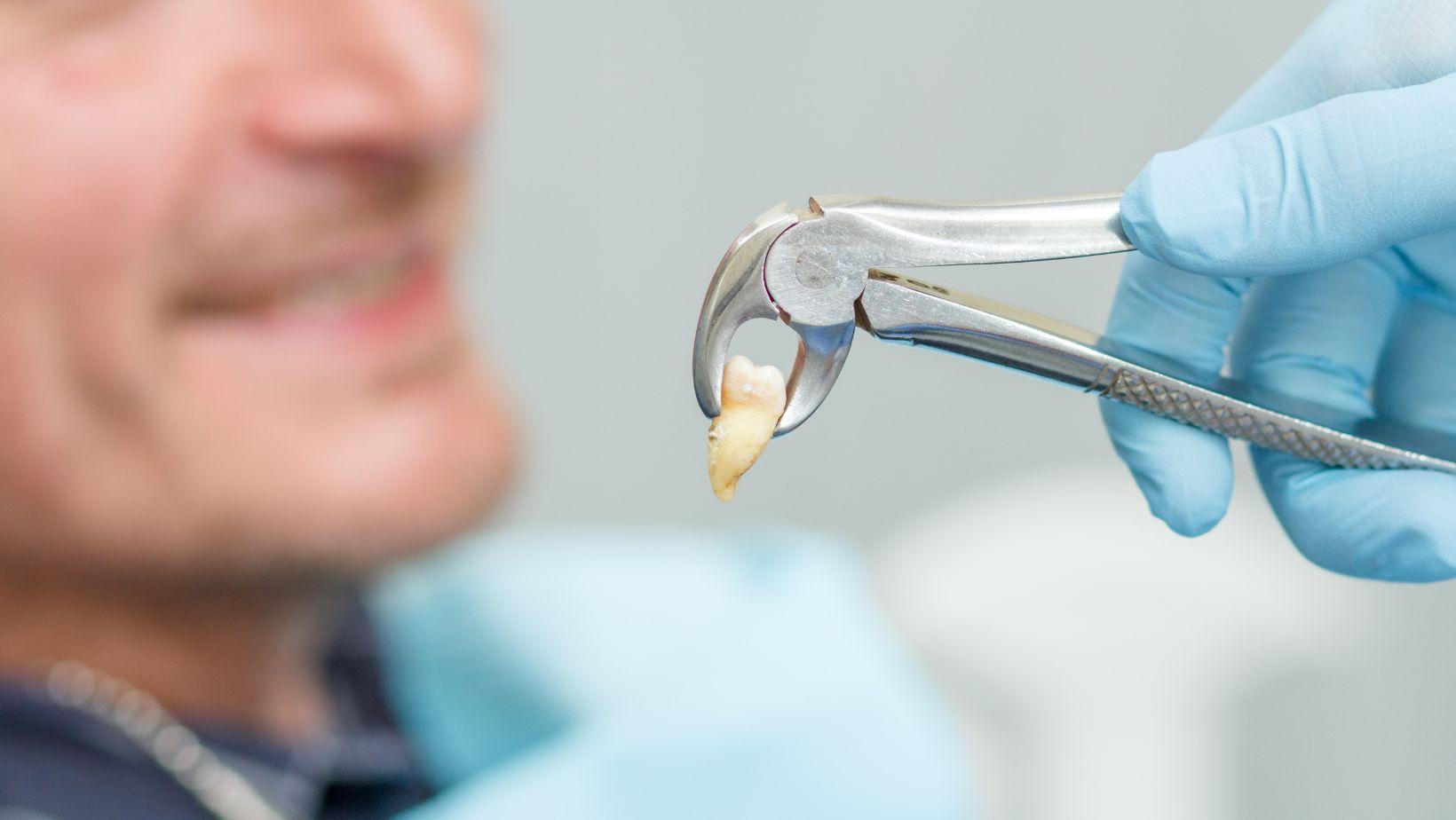

You might think every tooth extraction's the same. Some teeth just need a quick tug, while others require incisions, bone removal, or even being cut into pieces.
If the tooth is fully visible and your dentist can loosen it with forceps, you're probably looking at a simple extraction. But if it's broken, impacted, or stuck under the gum, you'll need a surgical extraction.
Which route you end up on changes everything—what happens during the procedure, how much it costs, and how you'll recover. Whether you need a simple or surgical removal, tooth extractions by Bonita Del Rey Dental Care in Chula Vista cover both, with care tailored to the complexity of your case. Let's break down the signs, the techniques dentists and oral surgeons use, and how to prepare for risks and aftercare so you can actually make sense of your options.
Table of Contents
ToggleIndications for Different Tooth Extractions
You’ll usually need a simple extraction if the tooth’s out in the open and can be grabbed with forceps. If the tooth is broken, trapped, or the bone’s in the way, surgical extraction comes into play.
Common Reasons for Simple Extraction
Simple extractions work for teeth that are fully erupted and stable enough for forceps. Think severe decay that’s left nothing to save, advanced gum disease making the tooth loose, or a tooth that’s fractured above the gum line and can’t be rebuilt.
Sometimes, orthodontists request simple extractions to make space—like pulling premolars. Local anesthesia does the trick here, and the actual removal usually takes just a few minutes per tooth.
Risks are pretty low, but you might deal with bleeding, infection, or dry socket. If you rest, use ice, and skip the straws, you’ll lower those odds.
When Surgical Extraction Is Necessary
Surgical extraction comes into play when forceps alone can’t do the job. If the tooth’s broken at or below the gum line, the roots are twisted or hooked, or dense bone is blocking things, surgery’s the answer.
If the tooth’s hiding under the gums or needs to be cut into pieces to come out safely, you’re in surgical territory. Dentists usually use local anesthesia plus sedation, or sometimes full anesthesia if things get complicated or you’re anxious.
Expect a longer procedure, possible stitches, and a bit more downtime. Swelling and bruising are normal, so infection prevention and pain control are key parts of aftercare.
Impacted Teeth and Complex Cases
Impacted teeth—usually wisdom teeth—often need surgical extraction because they’re stuck in bone or soft tissue. They might be vertical, horizontal, or at some odd angle, and that changes how tough the surgery is.
Dentists also see complex cases when teeth are near cysts, tumors, fractured roots, or close to nerves and sinuses. Sometimes you’ll need a CBCT scan to map out the roots and their relationship to nerves or your sinus before surgery.
Your surgeon will walk you through the risks, like nerve injury or sinus issues, and talk about anesthesia options and how long recovery might take.
Comparing Techniques and Procedures
Let’s get into how each approach actually works, what tools and anesthesia your dentist or surgeon will use, and how those choices affect healing and aftercare.
What Happens During a Simple Extraction
A simple extraction means the tooth’s fully erupted and visible. Your dentist numbs the area with local anesthesia, checks that you’re good and numb, then uses an elevator to loosen things up.
Forceps grip the tooth, and with a bit of rocking and twisting, the dentist gets it out. No incisions, minimal fuss.
The whole thing usually takes 20–40 minutes per tooth, depending on where it is and what the roots look like. You’ll probably leave with a gauze pack to control bleeding and a list of instructions for pain, bite pressure, and sticking to soft foods for a day or two.
Surgical Extraction Steps
Surgical extraction handles teeth that are impacted, broken at the gumline, or have tricky roots. You’ll get local anesthesia, and maybe nitrous oxide or IV sedation if things are more involved.
The dentist or surgeon makes a small incision in your gum to reach the tooth. Sometimes they’ll take out a bit of bone or cut the tooth into pieces so it comes out safely.
They usually close the site with stitches, and the procedure can last anywhere from 30 to 90 minutes. Tools include scalpels, bone rongeurs, and surgical elevators.
You’ll get written aftercare—pain meds, cold packs to keep swelling down, and a reminder to avoid sucking, spitting, or rinsing hard for the first day.
Recovery Differences
You’ll usually heal quicker after a simple extraction. The gum starts closing up in a few days, and most of the pain fades in 48–72 hours.
Most people get by with over-the-counter NSAIDs and use gauze to stop bleeding. Chew on the other side and keep up gentle brushing.
Surgical extractions bring more swelling, sometimes bruising, and usually a longer period of tenderness. Pain might peak a day or two after surgery, and you might need prescription painkillers for a short stretch.
There’s often a follow-up for suture removal or a quick check at 5–7 days. Your dentist will give you extra care steps to avoid dry socket and infection.
Risks, Recovery, and Patient Considerations
Let’s talk about the main risks, how you’ll probably manage pain and swelling, and what extractions mean for your mouth down the road.
Potential Complications
Bleeding, infection, and dry socket are the usual suspects after an extraction. Bleeding typically slows down within a few hours—if it’s still bright red and heavy after 24 hours, call your dentist or oral surgeon.
If you notice increasing pain, swelling, fever, or pus, you might have an infection and need antibiotics or drainage. Dry socket is a real pain—literally—usually showing up 2–5 days after extraction when the clot’s lost. Treatment means medicated dressings and pain relief.
Other, less common issues include damage to nearby teeth, nerve injury (especially with lower wisdom teeth), or sinus problems after upper molar removal. Your dentist checks for these risks ahead of time with x-rays and your medical history.
Pain Management Strategies
For a simple extraction, local anesthesia usually does the trick. Surgical extractions might need stronger anesthetic, sedation, or even general anesthesia if things get hairy or you’re really anxious.
Stick to your meds as prescribed—NSAIDs like ibuprofen help with pain and swelling, and only use opioids if your dentist says you need them, and just for a short while.
Ice packs help keep swelling down for the first day. Take it easy, keep your head up, and avoid straws, smoking, heavy rinsing, or spitting for a couple of days to protect the clot.
If pain gets worse after the first few days or just doesn’t quit, reach out to your provider. You might need a different approach.
Impact on Oral Health
Pulling a tooth gets rid of pain or infection, but it does leave an empty space that can mess with chewing, alignment, and bone volume. If you don’t replace it, nearby teeth might drift, and the tooth above or below can grow out of line, changing your bite.
Bone loss starts pretty quickly after extraction. To slow that down, your dentist might recommend a socket preservation graft or a dental implant later on.
If you’re thinking about implants, talk timing with your dentist—sometimes they go in right away, sometimes it’s better to wait. Infection, bone quality, and gum health all factor in.
It’s smart to discuss your replacement options (implant, bridge, partial denture) before the extraction so you’re not left guessing about what comes next for your smile.
Who Is Most at Risk for Complicated Extractions
Some folks just have trickier teeth. Impacted teeth, curved or fused roots, or teeth sitting close to nerves or the sinus often need surgery to come out.
If a crown's broken or the roots are weirdly shaped, you can bet it'll be more complicated.
Certain health issues make extractions riskier. Poorly controlled diabetes, bleeding disorders, or a weakened immune system can all cause trouble.
Taking blood thinners, bisphosphonates, or antiresorptive drugs? Those can mess with healing or make bleeding harder to stop.
I can't forget tobacco. Smoking really bumps up your chances of infection or dry socket, unfortunately.
Age and bone quality play a role too. Older adults might have denser or more brittle bone, while younger patients with still-developing roots need different care.
Honestly, it's smart to give your dentist or oral surgeon your full medical and medication history. They'll use that info to plan imaging, pick the right technique, and manage your care to keep things as smooth as possible.