
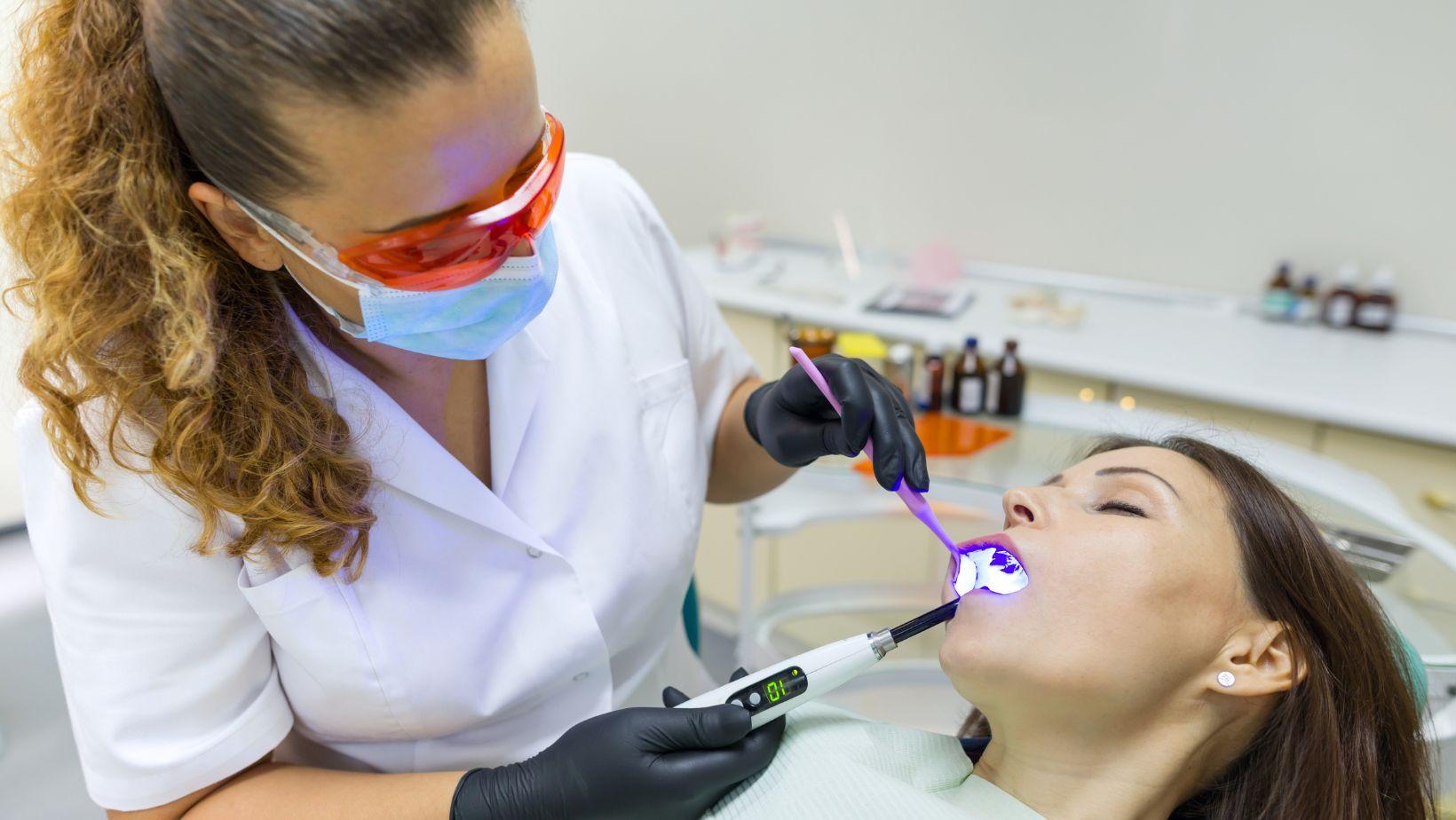

If dental anxiety, long procedures, or complex treatment make you uneasy, IV or “twilight” sedation lets you stay semi-awake, relaxed, and responsive while the dentist works.
Twilight sedation uses an intravenous medication to lower anxiety and awareness without the deeper loss of consciousness seen in general anesthesia, so you feel comfortable yet can follow simple instructions if needed.
You’ll learn how clinicians administer medications, what you’ll experience before, during, and after the appointment, who typically qualifies, and how this option compares with other sedation methods. If twilight sedation sounds like a fit, Minot Dental Partners in Minot, ND can walk you through whether it’s right for your treatment and comfort level.
Table of Contents
ToggleUnderstanding Intravenous Sedation
IV sedation places you in a deeply relaxed, semi-responsive state using medications delivered into a vein.
It reduces anxiety, blunts pain perception, and commonly produces partial or full amnesia for the procedure.
Definition and Purpose
Intravenous (IV) sedation means sedative drugs are injected directly into your bloodstream through a small IV line.
This produces rapid onset and precise control.
You usually remain responsive to simple commands, but you often feel detached and later have little to no memory of the procedure.
Clinicians use IV sedation for complex or long dental procedures, severe dental anxiety, or when multiple appointments would otherwise be needed.
The dentist can adjust the dose in real time to your responses, so you don’t risk being over- or under-sedated.
Continuous monitoring of your breathing, oxygenation, heart rate, and blood pressure is standard.
Types of Medications Used
Providers usually combine a benzodiazepine (most often midazolam) for anxiolysis and amnesia, an opioid (like fentanyl) for pain control, and sometimes a short-acting sedative-hypnotic (propofol) for deeper sedation.
They individualize dosages based on your weight, medical history, and how you respond during the procedure.
Medication effects:
Your clinician reviews drug interactions, allergies, and current medications before starting IV sedation.
Emergency reversal agents (flumazenil for benzodiazepines, naloxone for opioids) are always on hand.
Differences from Oral and Inhalation Sedation
IV sedation works much faster and is easier to control than oral or inhaled options.
Oral sedatives (like oral benzodiazepines) take longer to act, have less predictable effects, and can’t be easily adjusted once you’ve swallowed them.
Inhalation sedation (nitrous oxide) works quickly and wears off fast but usually provides lighter anxiolysis and no amnesia.
Practical differences you’ll notice:
Your choice depends on procedure length, anxiety level, medical history, and how you want to recover.
Patient Experience and Safety
You’ll stay semi-awake, able to follow simple instructions, and closely monitored by trained staff.
Sedation levels, breathing, heart activity, and recovery steps are adjusted to match your medical history and the procedure’s needs.
What to Expect During the Procedure
You’ll arrive with a companion to drive you home and should avoid eating for the timeframe your dentist specifies.
Staff will place an IV line and give medications such as midazolam or propofol, adjusting the dose to your response.
You’ll feel relaxed and drowsy within minutes.
You might slur your speech, have slowed reflexes, or lose memory of the procedure, but you’ll still respond to verbal or gentle touch.
If you show signs of oversedation, the dentist and sedationist will pause or slow medication delivery.
Dental work proceeds once you reach the right sedation level, often making things easier for both you and the dentist.
Monitoring and Medical Oversight
A qualified clinician—an anesthesiologist, nurse anesthetist, or sedation-trained dentist—manages IV drugs and monitors you continuously.
Standard monitoring includes:
Staff stay ready to support your airway, give supplemental oxygen, and reverse sedatives if needed.
They review your medical history, current medications, and allergies beforehand to reduce risks.
Emergency equipment and reversal agents (like flumazenil for benzodiazepines) stay close by.
Common Feelings and Recovery
You might feel groggy, lightheaded, or a bit disoriented as sedation wears off.
Memory gaps for the procedure are common; you probably won’t recall the details.
Recovery usually takes 30–90 minutes in the office.
Full cognitive return can take up to 24 hours.
Here’s what to do:
If you have prolonged confusion, trouble breathing, or chest pain after discharge, get emergency care right away.
Ideal Candidates and Considerations
IV sedation suits patients with high anxiety, long or complex procedures, or strong gag reflexes.
You’ll need a medical clearance and realistic expectations about sedation depth and recovery.
Who Benefits Most
You’ll benefit most if dental fear keeps you from routine care or if you need multiple treatments in one sitting.
Patients getting extractions, implants, root canals, or full-mouth restorations often pick IV sedation to get through longer procedures without distress.
People with a strong gag reflex, limited jaw opening, or a history of panic attacks usually find IV sedation especially helpful.
It can help when local anesthesia alone won’t control pain-related muscle tension or if cooperation is tough due to cognitive or developmental disabilities.
Talk about prior sedation or anesthesia experiences, medication use, and substance history with your dentist.
That helps them tailor drug selection and dosing to fit your needs and lower your risk.
Contraindications and Medical Concerns
Certain medical conditions raise the risk of IV sedation.
Uncontrolled heart disease, severe chronic obstructive pulmonary disease (COPD), or a recent stroke can make IV sedation unsafe or mean you’ll need a specialist involved.
Pregnancy, some neurological disorders, and certain psychiatric medications can complicate sedation choices.
Obstructive sleep apnea increases airway risk; your provider might require extra monitoring or suggest a different sedation level.
List all prescriptions, over-the-counter drugs, and supplements you take.
Your dentist will review allergies, past bad reactions, and alcohol or opioid use to decide if IV sedation is safe or if you’ll need medical clearance.
Consultation and Preparation
At your first visit, you’ll go over your medical history, get a focused physical exam, and discuss sedation goals.
You’ll sign consent forms that outline risks, alternatives, and post-sedation instructions.
Follow fasting guidelines—usually no solid food for 6–8 hours and clear liquids up to 2 hours before sedation.
Arrange a responsible adult to drive you home and stay with you for 24 hours, since your judgment and coordination won’t be fully back right away.
Bring a list of your current medications and recent medical records if you have complex conditions.
The team will plan monitoring (pulse oximetry, blood pressure, heart rate) and emergency support based on your health.
Comparing Sedation Options
You’ll notice differences in how fast drugs act, how much you remember, and what monitoring and recovery look like.
Cost, medical history, and the complexity of the dental procedure usually determine the best choice.
Advantages of IV Sedation
IV sedation acts within seconds to minutes after the drug enters your vein, so onset is rapid and dosing is precise.
That lets your clinician adjust medication to the level you need during extractions, implants, or grafting.
You keep breathing on your own and can respond to simple commands, which means less airway intervention than with general anesthesia.
Most patients have little or no memory of the procedure, which can really lower anxiety for future visits.
Monitoring standards require continuous heart rate, blood pressure, oxygen saturation, and often capnography, which improves safety.
Recovery is usually faster than with general anesthesia.
You can often go home the same day with a responsible escort.
Potential Drawbacks
IV sedation carries risks common to systemic sedatives: respiratory depression, low blood pressure, and allergic reactions.
Risks go up if you have significant heart, lung, or sleep apnea problems, or if you take interacting medications.
You’ll need to fast before the procedure and arrange transportation afterward because you can’t drive for 24 hours.
Some people get nausea, grogginess, or memory gaps during recovery.
Cost is generally higher than nitrous oxide or oral sedatives because of the need for trained personnel, IV access, and monitoring equipment.
In rare cases, deeper sedation than intended can require airway support or even switching to general anesthesia.
Alternatives and How to Choose
Nitrous oxide acts quickly. You’ll recover within minutes, and it’s generally low risk if you’re healthy.
It’s a solid pick for short, less invasive procedures, or if you want to stay fully awake. Some folks just like knowing they’re conscious the whole time.
Oral sedatives, like benzodiazepines, are easy to take and usually cost less. The onset and depth can be unpredictable, though, and you’ll definitely need someone to drive you home.
General anesthesia knocks you out completely and lets the team control your airway—necessary for bigger surgeries. But it requires an anesthesiologist, takes longer to recover from, and uses more resources overall.
You and your clinician will need to think about how long the procedure takes, your medical history, anxiety, and how you’ve handled sedation before.
Ask about ASA classification. What kind of monitoring will they use? Who’s actually giving the medication? Is emergency equipment close by?
Getting these answers helps you and your clinician make the safest, most comfortable choice for your needs.