
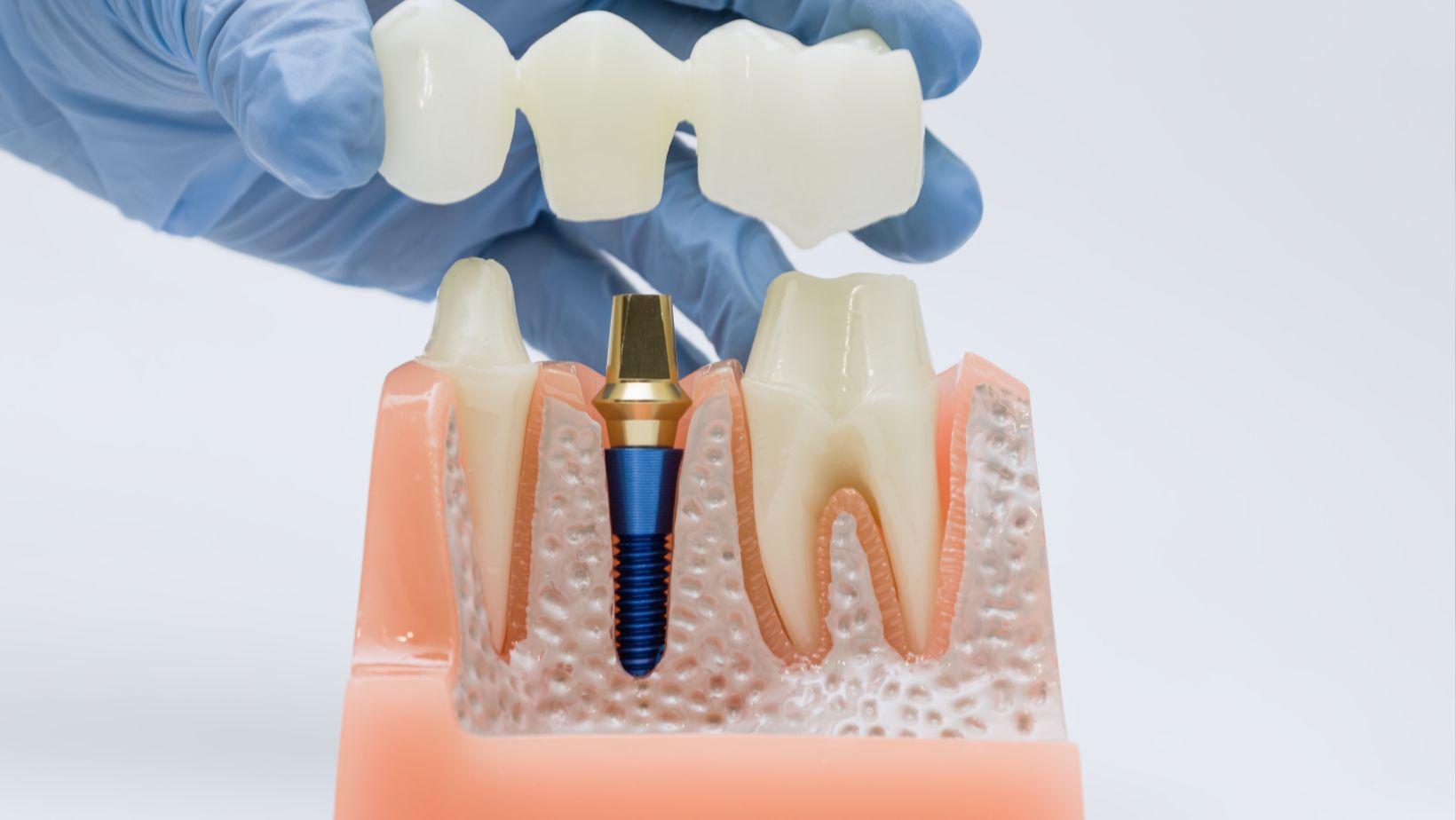

You can usually get dental implants even if you have jawbone loss. These days, techniques like bone grafting, sinus lifts, mini implants, and some specialized options—like zygomatic implants—open up possibilities for a lot of folks.
If your jaw doesn't have enough bone, your dental team can often suggest a custom plan. Sometimes they rebuild bone first, or they might use implants made for low bone conditions to get your smile and chewing back.
You'll find out how bone loss affects implant success, which solutions fit different levels of bone loss, and what to expect during your evaluation, treatment, and healing. We'll walk through assessment steps, implant choices, and long-term care, so you can make a decision you feel good about—and if you're still weighing whether this is the right path, reviewing the signs of getting dental implants can help you go into that first consultation with more clarity.
Table of Contents
ToggleUnderstanding Bone Loss in the Jaw
Jawbone loss shrinks the height and width of the bone that normally supports teeth and implants. Let's dig into what causes this, how your dentist spots it, and the risks if it goes unchecked.
Causes of Diminished Jawbone Density
Losing a tooth is a big culprit. When a tooth goes missing, the bone around it stops getting the usual stimulation and starts shrinking away.
This bone loss can begin within months and just keeps going, eating away at both height and width. Gum disease is another major problem—it destroys the fibers and bone around teeth.
Periodontitis, a chronic gum infection, speeds up bone breakdown and can leave tricky defects for implants. Other causes? Trauma, years of denture use putting uneven pressure on the bone, conditions like osteoporosis, and certain meds (long-term bisphosphonates, for example).
Smoking and poorly controlled diabetes also make things worse for bone health and healing after surgery.
Signs and Diagnosis of Jawbone Loss
You might notice your teeth shifting or loosening, your bite changing, or dentures that just don’t fit right anymore. Sometimes, your face looks a bit sunken around the mouth if you’ve lost a lot of bone.
Dentists check for bone loss with an exam and imaging. Panoramic X-rays show big changes, while cone-beam CT scans give a 3D look at ridge size, nerves, and bone density.
They’ll also check gum health, probe for pockets, and look for loose teeth. Your dentist will ask about your medical history, tobacco habits, and medications, since these all shape your treatment plan.
Long-Term Consequences of Untreated Bone Loss
If you don’t treat bone loss, basic dental care and tooth replacement get a lot harder. As the ridge narrows and flattens, standard implants might not fit without extra bone work.
You might have trouble chewing, your bite can change, and the stress on remaining teeth can cause more tooth loss. Dentures that don’t fit well can cause sore spots and speed up bone loss by putting too much pressure on small areas.
Aesthetically, you might notice facial collapse or thinner lips, which can affect how you look and talk. There’s also a medical side—active gum infections linked to bone loss can boost inflammation and complicate things like diabetes or heart disease.
Modern Dental Implant Solutions for Low Bone Density
Even if your jawbone’s thin, you still have options. Surgeons use targeted techniques, different implant types, and regenerative materials to rebuild or work around weak bone and give implants a stable base.
Bone Grafting Techniques and Materials
Bone grafting adds volume where your jawbone’s thin or recessed. Surgeons can use bone from your own body (autografts), donor bone (allografts), animal bone (xenografts), or synthetic materials (alloplasts).
Autografts work best but mean another surgery site. Grafts might be granules or shaped blocks, depending on what you need.
Healing usually takes 3–9 months, depending on the graft and where it’s placed. Your dentist will look at your blood supply, smoking status, and health conditions, since these matter for healing.
Sometimes they add growth factors like BMP or platelet-rich fibrin (PRF) to speed things up. Once you have enough bone, standard implants can go in with a good chance of success.
Zygomatic and Short Implants
Zygomatic implants anchor into your cheekbone if your upper jaw doesn’t have enough bone. These are long implants (30–52 mm) that skip over the sinus and weak ridge.
You can get fixed teeth faster—sometimes in one surgery—but you’ll want a surgeon who’s done this before. Short implants (6–8 mm or less) and tilted implants use whatever bone you have left, especially in the back of the jaw.
They can work well if there’s not much vertical bone. The success depends on implant width, surface, and how tightly they fit.
Your dental team will use CT scans and your health info to pick between zygomatic and short or tilted implants. Both options can help you avoid big grafts.
Guided Tissue Regeneration for Dental Implants
Guided tissue regeneration (GTR) uses membranes to guide bone growth and keep out soft tissue. Usually, your dentist places a membrane—either resorbable (like collagen) or non-resorbable (like PTFE)—over the graft.
Resorbable membranes dissolve and don’t need removal, while non-resorbable ones hold the shape better but might need a second surgery to take out. Good flap closure and gentle suturing help keep the membrane covered.
GTR often goes with particulate grafts and growth factors to rebuild the ridge for implants. Follow-ups check for membrane exposure and make sure tissue matures before you bite on the new teeth.
Sinus Lift Procedures
A sinus lift adds height to the upper jaw by lifting the sinus membrane and putting graft material underneath. There are two main ways: the lateral window (for bigger lifts) and the transcrestal or osteotome method (for smaller ones).
Lateral window lifts let your surgeon add more bone, while the transcrestal approach is less invasive for minor cases. Graft materials are similar to those in ridge augmentation, and healing takes about 4–9 months.
Risks include tearing the sinus membrane or sinus infections, but careful technique and imaging help keep problems low. A good sinus lift gives enough bone for stable implants.
Assessing Suitability and Preparing for Treatment
You’ll go through a step-by-step evaluation to see if implants are possible and to build a plan that fits your bone loss, health, and goals. Expect focused exams, imaging, and a treatment strategy shaped around your needs.
Comprehensive Dental Evaluations
The process starts with a thorough oral exam and a review of your health history. Your dentist checks your gums, looks for infections, checks where teeth remain, and feels the ridge for size and shape.
They’ll also take your blood pressure and ask about diabetes, smoking, and medications—especially bisphosphonates or blood thinners—since these affect healing.
If you have active gum disease, they’ll want to treat that first.
If you’ve had extractions or infections before, your provider will check for scarred or weak bone and talk about whether you’ll need grafts or staged treatments.
Digital Imaging and 3D Planning
You’ll probably get a cone-beam CT scan for a detailed 3D view of your jaw.
This scan helps your team measure bone, spot nerves and sinuses, and catch any hidden issues that could change the plan.
They might use digital planning software to map out implant positions that fit your anatomy and final tooth shape.
Sometimes, they’ll make a surgical guide from this plan to improve accuracy and cut down on surprises.
You might also get intraoral scans to help design temporary teeth and match the final look.
Individualizing Dental Implant Strategies
Your treatment plan matches your bone loss pattern and severity. For minor bone loss, dentists may place standard implants with a little grafting at the same time.
With more bone missing, you might need staged grafts (autograft, allograft, or xenograft) or ridge augmentation before implants.
Severe upper jaw loss often means a sinus lift, and really thin jaws might need zygomatic or tilted implants to use the bone you have.
If you don’t want big surgery and have limited bone, mini or narrow implants can sometimes support a denture or temporary teeth—but whether you’re a candidate depends on your bite and prosthetic needs.
Your dentist will lay out the timeline, success rates, costs, and any health concerns so you can choose between immediate or staged options.
Recovery, Maintenance, and Long-Term Outlook
Recovery comes in stages—first, bone and soft tissue heal, then you move into ongoing care to keep the implant and bone healthy. Regular checkups and daily hygiene make a huge difference for long-term success.
Post-Procedure Healing Timeline
You’ll probably feel the most discomfort in the first three days. Pain is usually manageable with painkillers and cold packs.
Swelling peaks at two or three days and gets better within a week. Sutures, if you have them, usually dissolve or come out within two weeks.
Osseointegration—when bone bonds to the implant—takes about three to six months for most people. If you had a bone graft or sinus lift, healing can take longer, maybe four to nine months.
Your surgeon will take X-rays at intervals to make sure the bone is stable before putting on the final teeth.
Follow any activity restrictions—don’t smoke or overexert yourself early on, since both slow healing and make implant failure more likely.
Ongoing Care for Implants and Bone Health
Brush twice a day with a soft brush, and use interdental brushes to clean around the implant. Floss daily, and if your dentist suggests it, try a water flosser or antimicrobial rinse.
Stick with professional cleanings every three to six months if you’ve had bone loss or gum disease; otherwise, follow your dentist’s schedule (usually every six months).
At checkups, your dentist will gently probe around the implant, check tissue health, and take X-rays if they suspect bone changes.
Support your bone health overall: get enough calcium and vitamin D, manage chronic conditions like diabetes, and skip nicotine.
If your bone density is low, your dentist or doctor might suggest a medical check-up or changes to your implant plan.
Potential Risks and Management
Peri-implantitis is the main long-term threat. It's a bacterial inflammation that causes bone loss around implants.
You might notice bleeding when brushing, swelling that won't quit, or pocket depths getting deeper. If that happens, get it checked out quickly so you can limit bone loss.
Mechanical issues pop up too, like screw loosening, prosthesis wear, or even fractures. Usually, your dentist can adjust or swap out these parts in the clinic.
Implants themselves tend to last, but the prosthetic components wear out faster. Most folks need some maintenance every 5–15 years, depending on the materials and how much you use them.
If bone loss keeps coming back, your dentist will weigh options like debridement, antibiotics, or regenerative grafting. In really tough cases, they might have to remove the implant and stage a replacement. They'll consider things like how much bone you've lost, your health, and any previous grafts before picking a treatment.