
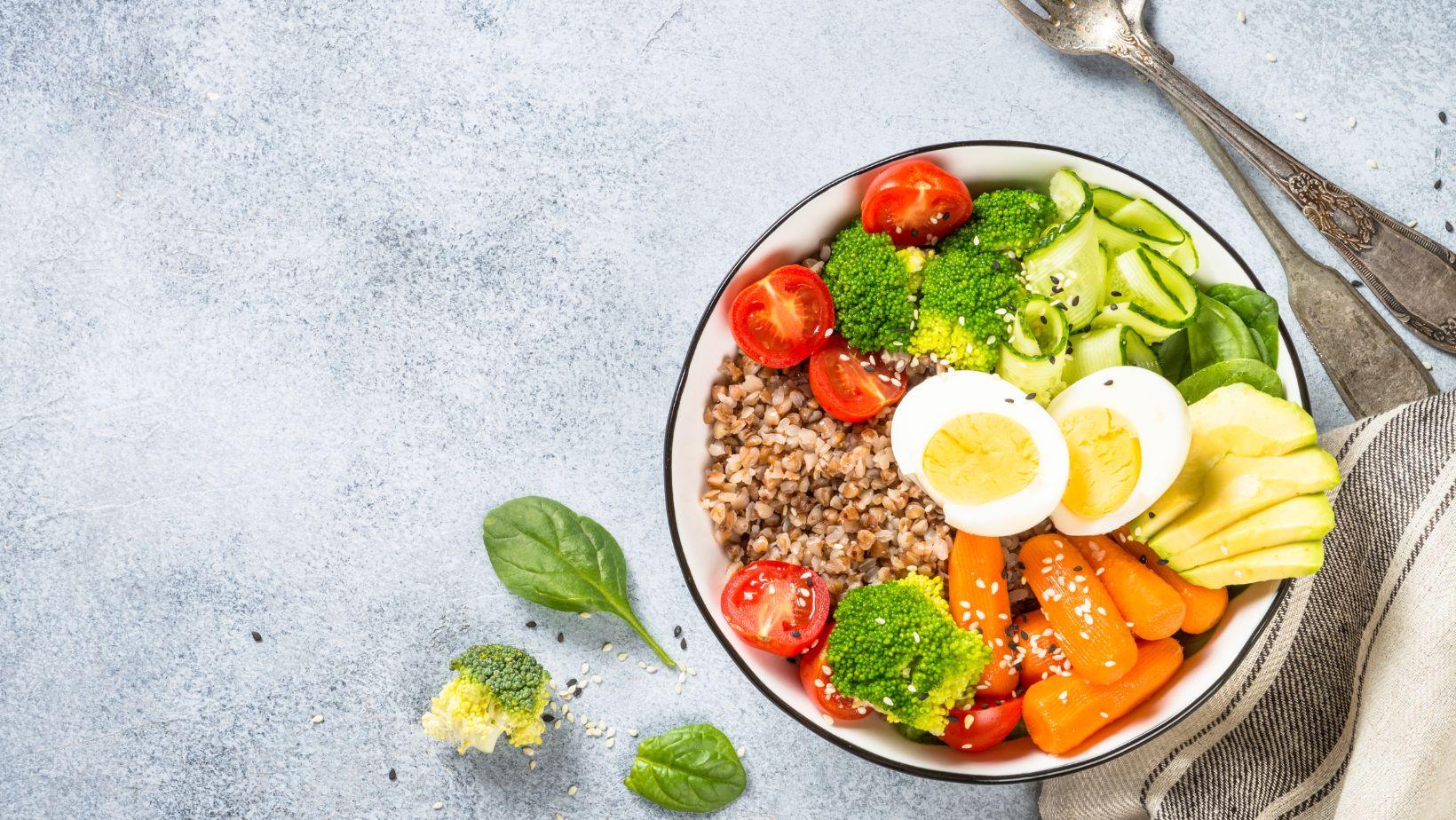

You’ll want soft, nutrient-dense foods that protect the surgical site and give your body what it needs to repair. Stick with things like smoothies, mashed veggies, yogurt, and tender proteins—anything that keeps pressure off the implant and doesn’t irritate or risk dislodging it.
Here’s a rundown of specific options for the first 24–72 hours, what to avoid, and how to get back to normal chewing safely. Let’s get into some practical, dentist-approved steps so you can heal up without sacrificing nutrition—and if you’re curious about how common these procedures have become, the latest dental restoration statistics show just how many people are successfully navigating this same recovery journey.
Table of Contents
ToggleRight Foods for Initial Recovery
Go for soft, nutrient-rich foods that won’t put pressure on the implant area. You’ll want stuff that’s easy to eat, gentle on your mouth, and packed with protein, vitamins, and fluids to help you heal.
Recommended Soft Foods
Pick foods that barely need chewing and don’t have sharp edges. Here are some good options:
- Mashed or pureed vegetables (think potato, carrot, sweet potato)—serve them warm, not piping hot.
- Creamy soups and broths—strain out any chunks; skip spicy or acidic bases.
- Smooth yogurts and cottage cheese—plain or lightly sweetened, loaded with protein and calcium.
- Scrambled or soft-boiled eggs—tender, easy to get down, and high in protein.
- Oatmeal, cream of wheat, or soft polenta—make them really soft with milk or water.
Skip crunchy chips, nuts, raw veggies, sticky candies, or anything that could mess with stitches. Use a spoon, take small bites, and try to chew on the side away from the surgery if you can.
Hydration and Beverages
Keep the fluids coming—it’ll help you heal and prevent dry mouth. Water, electrolyte drinks, and non-acidic herbal teas at room temp or cooler are your best bet.
- Water—sip often, but don’t use straws for the first 72 hours (strange, but it helps protect the blood clot).
- Electrolyte or oral rehydration drinks—great if you’re feeling woozy or not eating much.
- Non-acidic, non-caffeinated teas—something like chamomile or rooibos is soothing.
Stay away from alcohol, sodas, and citrus juices for at least a week—they can really irritate things and slow down healing. If you need to take meds with food, plan your meals so you don’t miss a dose.
Foods to Support Healing
Prioritize foods that give you protein, vitamin C, vitamin A, zinc, and calcium. These help repair tissue and keep your immune system humming.
- Lean, well-blended proteins: pureed chicken, fish mousse, or Greek yogurt—these bring the amino acids for healing.
- Vitamin C sources: mashed papaya, cooked bell pepper purée, or blended citrus-free smoothies (berries are okay if you tolerate them) for collagen support.
- Vitamin A and zinc: smooth pumpkin purée, blended liver pâté (if you’re into it), and well-mashed legumes for immune strength.
- Calcium and vitamin D: fortified milk, soft cheeses, and yogurt to help bone health around the implant.
Make everything soft and uniform in texture. Go easy on the seasoning, and stick with small, frequent meals if your appetite’s not great.
Foods to Avoid During Healing
Protect your implant by staying away from foods that might knock loose healing tissue, trap bacteria, or just plain irritate the area. Stick with soft, nutrient-rich choices and avoid anything that needs heavy biting, pulls on the crown, or stings.
Hard and Crunchy Options
Hard foods like nuts, raw carrots, hard candies, and ice can crack crowns or put too much pressure on the implant. Biting down on them might loosen stitches or the healing abutment, and those tiny movements can slow healing.
Skip tough meats, whole apples, and crusty bread in the early weeks. If you’re craving some crunch, chop fruits and veggies small, simmer them until soft, or puree them. Chew gently on the other side until your dentist says you’re good to eat normally.
Sticky and Chewy Foods
Sticky foods—caramel, taffy, gummy candies, peanut butter—tend to cling to the crown and gums. That stickiness can pull on temporary parts and trap food near the surgical site, which isn’t great for healing.
Chewy stuff like bagels, licorice, or jerky makes you chew more and puts strain on the area. If you’re after something filling, try soft, protein-rich foods like scrambled eggs, flaked fish, or finely shredded chicken—they’re satisfying without stressing the implant.
Spicy and Acidic Choices
Spicy sauces, hot peppers, citrus fruits, and tomato products can sting exposed gum tissue and make soreness worse. Acidic foods soften the lining of your mouth and can really burn around stitches or small open spots.
Hold off on things like vinegar-heavy dressings, orange and grapefruit, salsa, and spicy condiments until your gums have healed up. If you want some flavor, let foods cool down and try diluting acidic things (mix a little citrus into yogurt, for example) so you get the nutrients without the sting.
Progressing Your Diet Safely
Start with cool, soft, nutrient-packed foods. Only move to normal chewing when you don’t have pain, swelling, or bleeding—and your dentist gives you the green light. Keep avoiding direct chewing on the implant side and ease back into textures.
Transitioning to Solid Foods
Begin with liquids and purees for the first day or two. Then, move to mashed, soft solids like mashed potatoes, yogurt, and scrambled eggs for the next several days. After a week or so, you can try tender cooked veggies, soft pasta, and flaky fish—but avoid biting directly with the implant.
Here’s a rough plan:
- Days 0–2: Smooth soups, smoothies, protein shakes (skip the straws).
- Days 3–7: Mashed potatoes, cottage cheese, soft pancakes.
- Weeks 2–4: Soft meats (ground or shredded), well-cooked rice, soft breads.
If something hurts, go back to softer foods for a bit and check with your dentist before moving forward.
Signs of Successful Healing
You should notice less pain and swelling within a week to ten days. Some tenderness when you chew is normal for a while.
Look for these signs:
- The implant site feels firm, not loose.
- You can chew on the other side without discomfort.
- No fever or pain that’s getting worse.
If you see persistent throbbing, drainage, or the implant feels loose, stop advancing your diet and call your dentist right away.
Tips for Meal Preparation
Try to make meals that are easy to chew, packed with nutrients, and don’t need much biting. Aim for foods that actually help you heal, not just fill you up.
Blend or mash fruits and veggies—honestly, a blender can be a lifesaver here. Slow-cook meats until they’re soft enough to shred with a fork.
Add in soft proteins like Greek yogurt or silken tofu. They’re gentle and don’t take much effort to eat.
Here are a few practical steps:
- Cut your food into small pieces, and chew on the side that’s not sore.
- Skip anything crunchy, sticky, or super hot for at least two weeks.
- Go easy on the seasonings so you don’t end up irritating the surgical area.
Keep some ready-made portions in the fridge; they’ll last three or four days. If you’ve got single servings of soft foods in the freezer, just thaw them when you’re tired or not feeling up to cooking.